
Last updated November 14, 2026
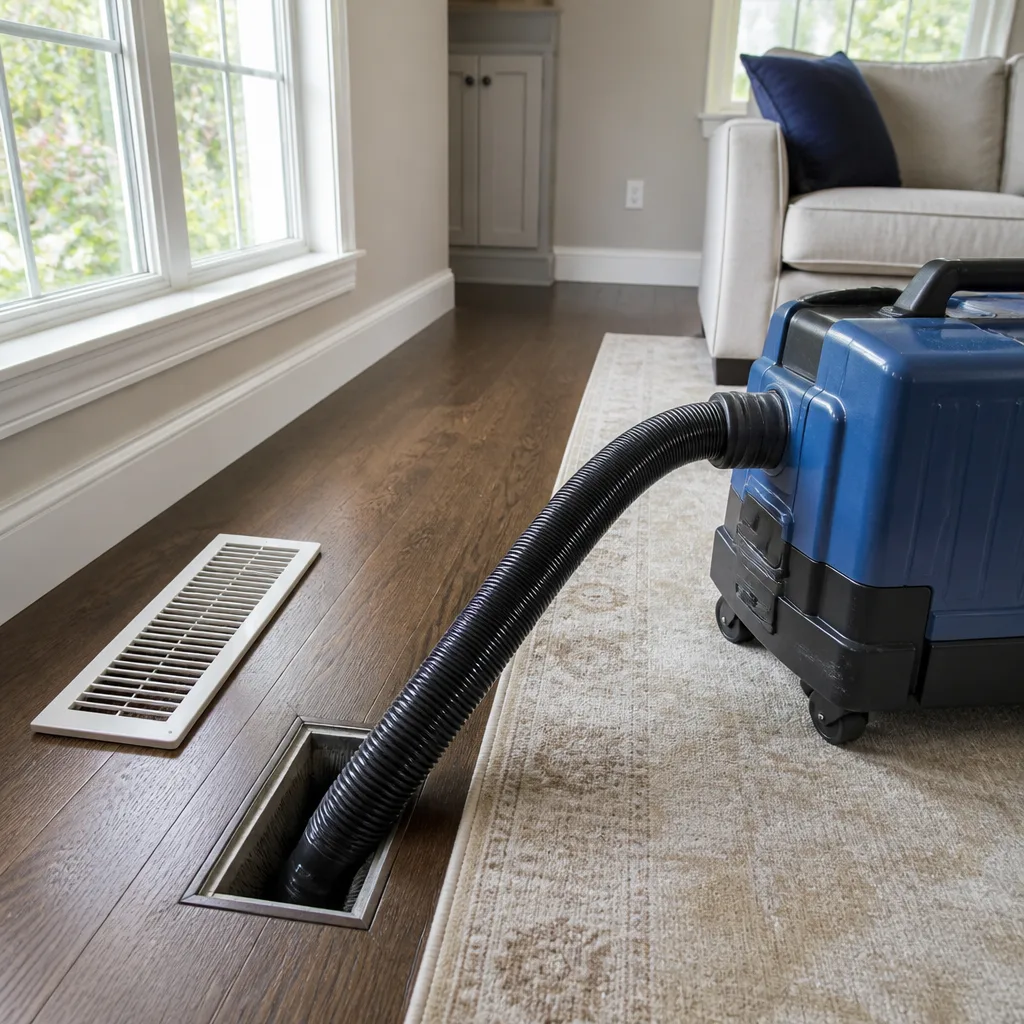 Whole-home duct cleaning
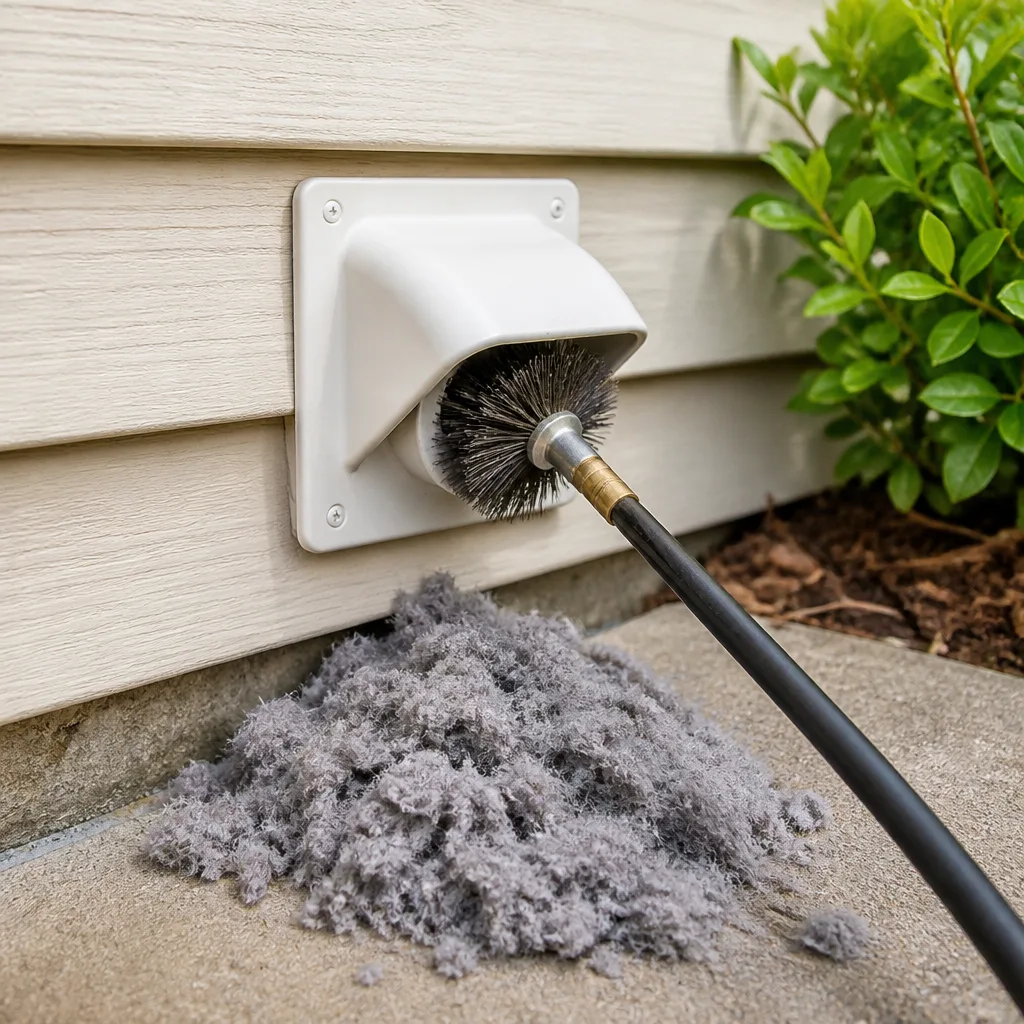 Dryer vent cleaning
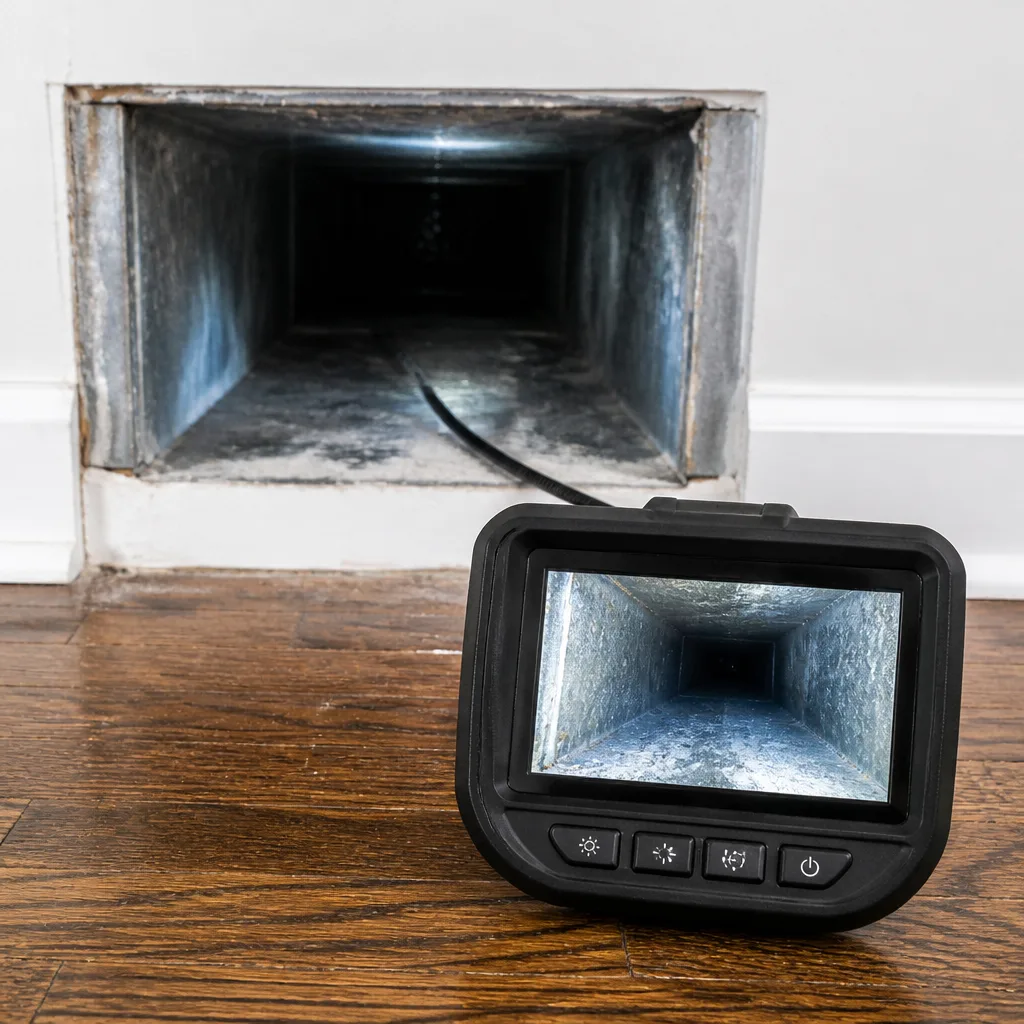 Camera inspection
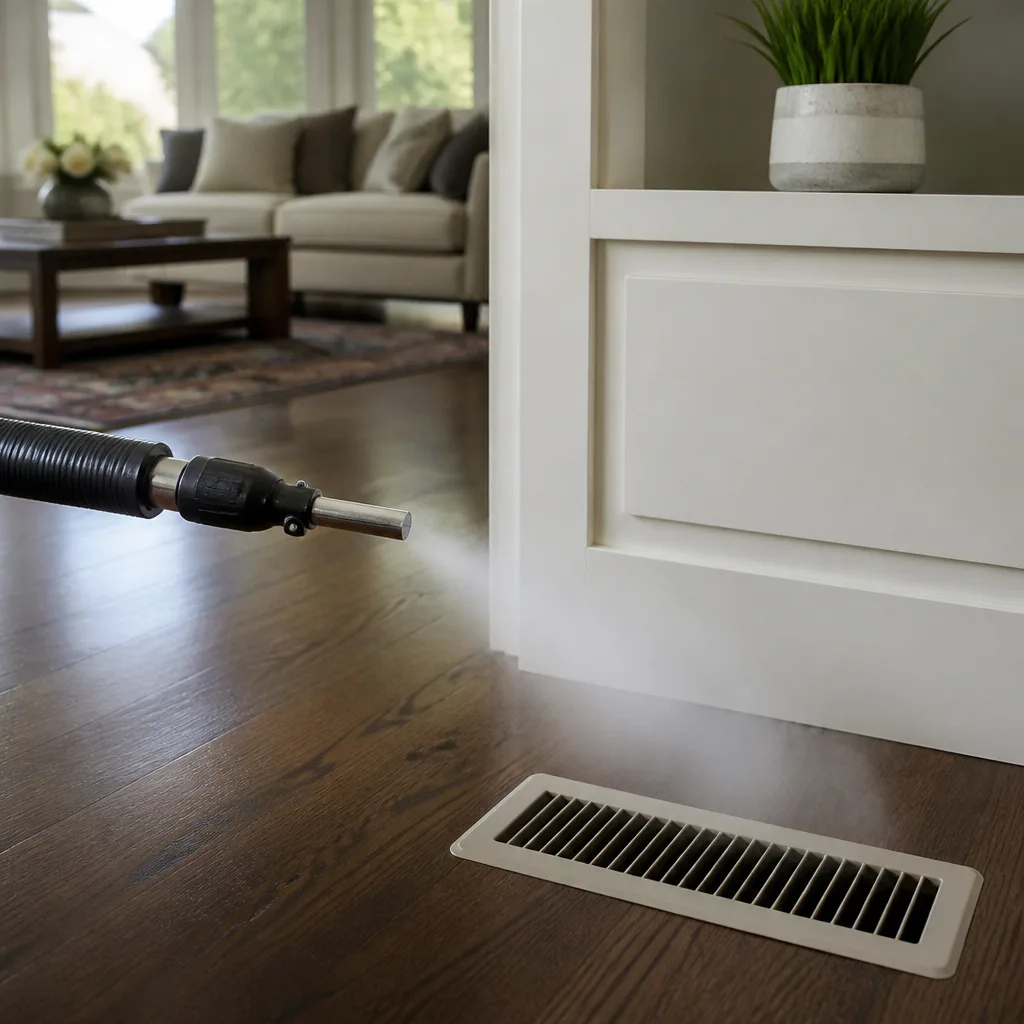 Sanitizing & deodorizing
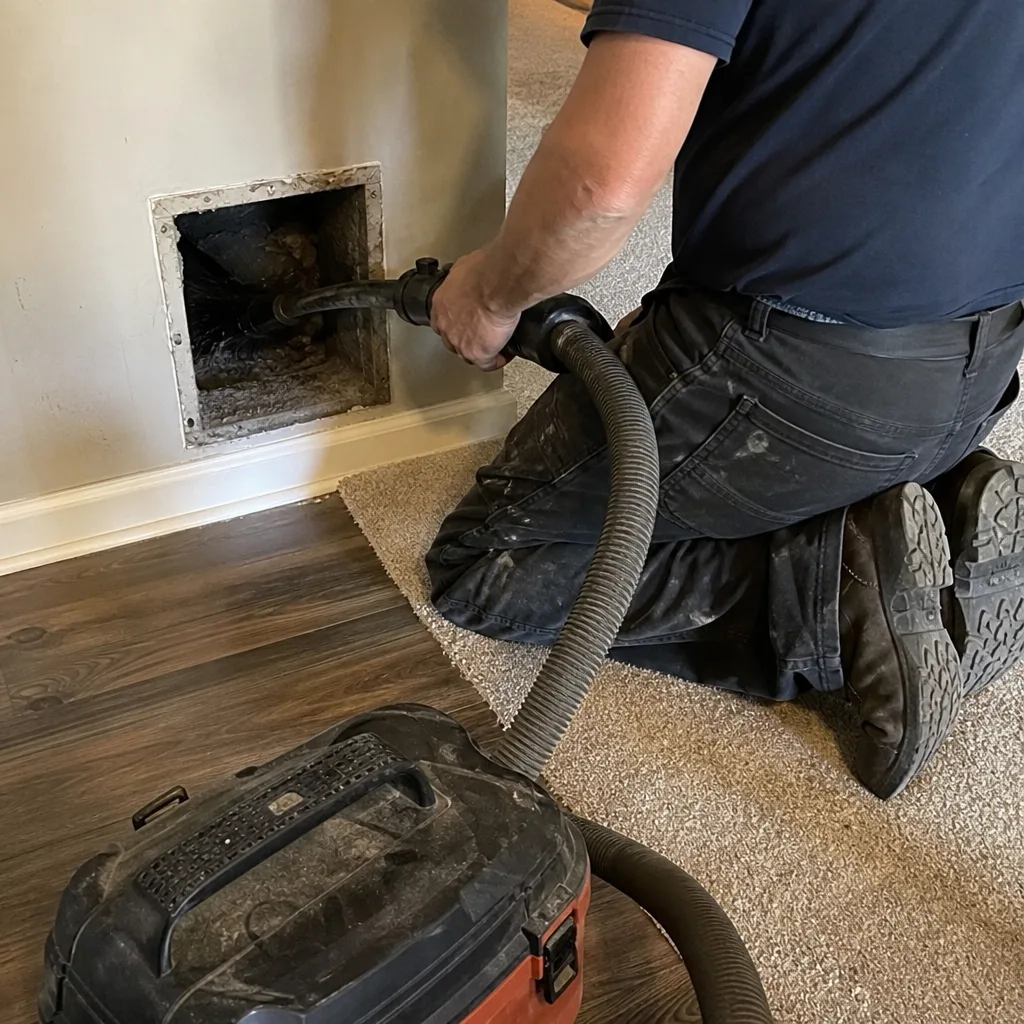
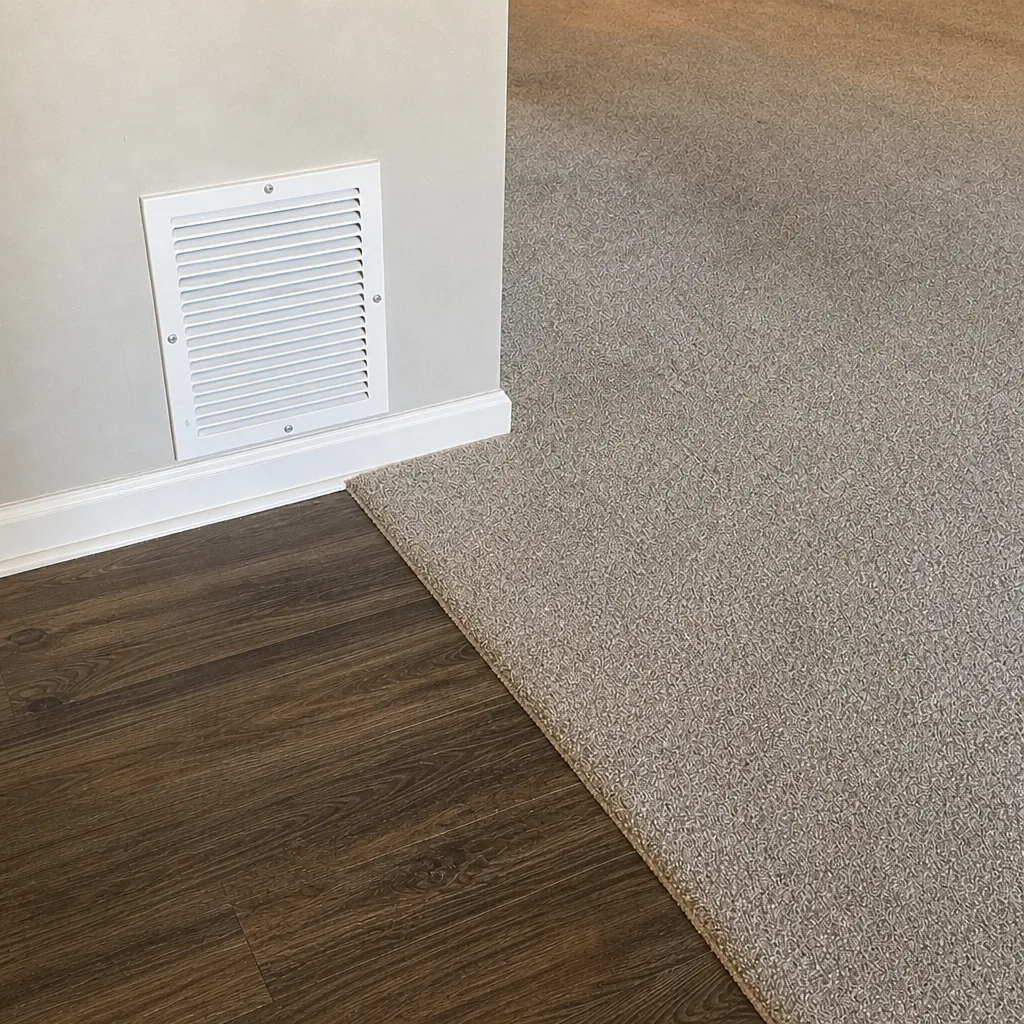
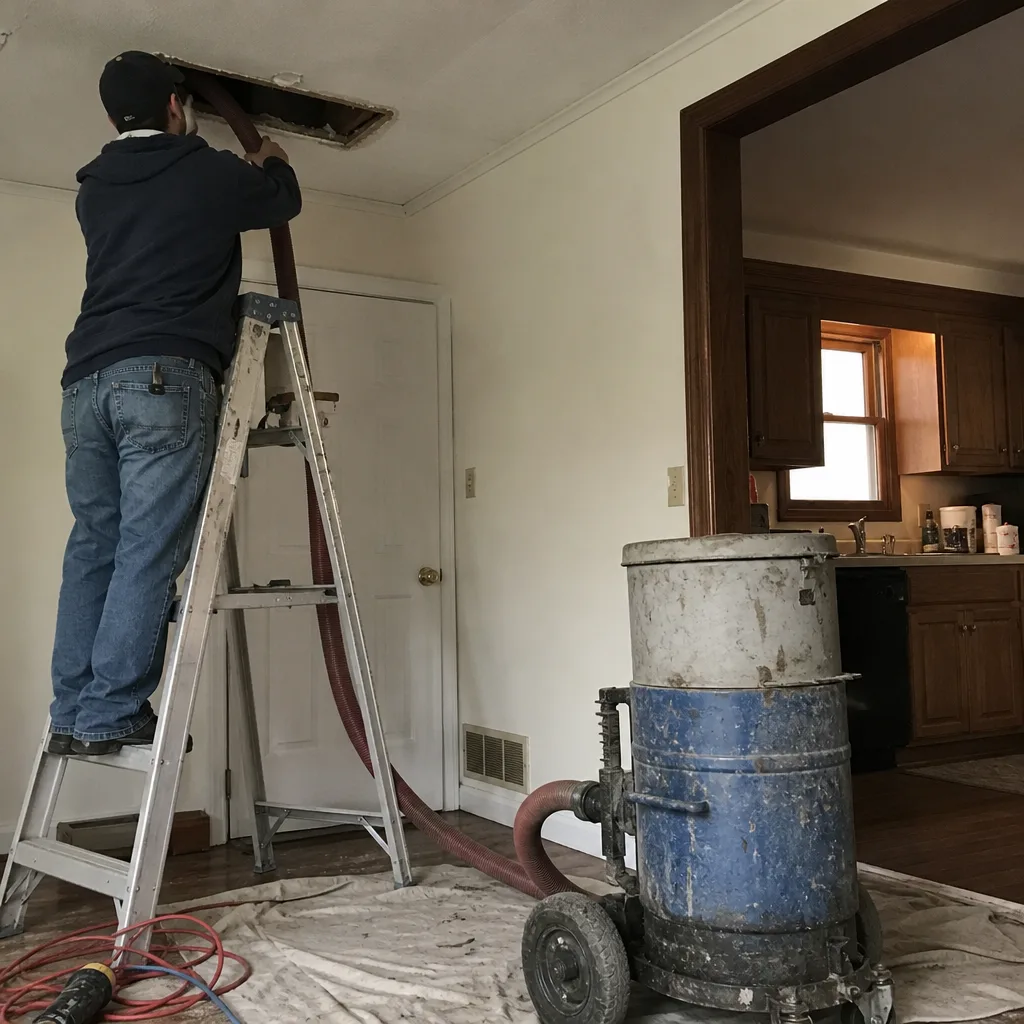
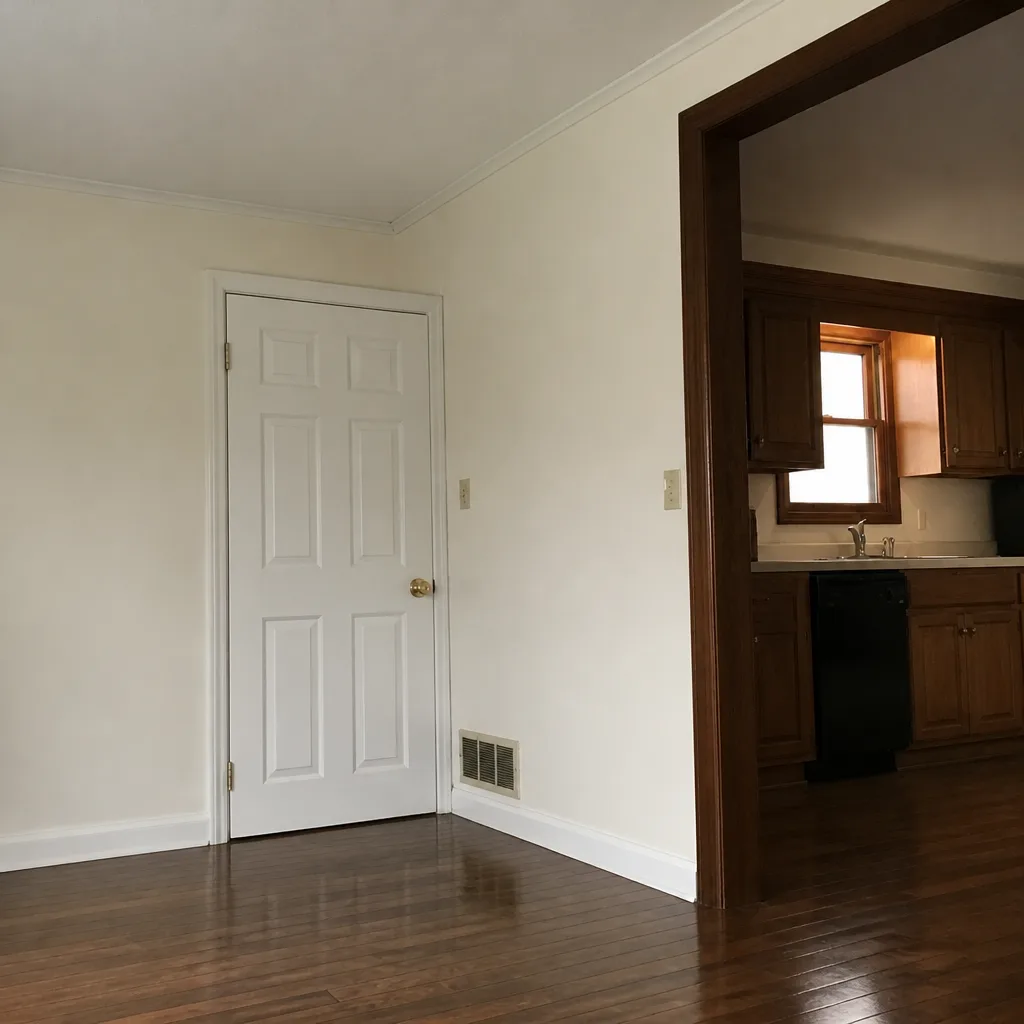
Whole-system duct and dryer vent check with before-and-after photos - you see exactly what came out of your vents
That "$99 whole-house special" is a bait ad - the real number appears once they are in your hallway, or the "clean" is a shop-vac at the register. We photograph the inside of your ducts before and after instead.
The Complete Guide to Air Duct Cleaning in Carmel
Air duct cleaning is often sold as a quick blitz through the trunk line, but your ductwork doesn’t work that way. A clean trunk means little if the flex branches feeding your upstairs bedrooms are pinched, if a joint behind the drywall has pulled apart, or if the air handler coil has collected a layer of biofilm that no vacuum will touch. In this guide we walk the entire system, from the return grille to the plenum to the branch runs and the dryer vent, and explain what complete cleaning really means. You’ll learn what to ask, what to skip, and how a system-level assessment in a Carmel home actually operates.
Quick Answer
Professional air duct cleaning in Carmel is a source-removal process: negative-pressure containment plus agitation of every duct surface using equipment like Rotobrush, drawn through HEPA filtration from a company like Abatement Technologies, not just a shop vacuum waved at a register. A complete job covers supply and return ducts, registers, grilles, the plenum and air handler, and the dryer vent as one connected system. Cost depends on system size and access, so ask for a written, per-system estimate rather than a per-vent price.
Styles & brands we work with
- Whole-home duct cleaning
- Dryer vent cleaning
- Camera inspection
- Sanitizing & deodorizing
Table of Contents
- What Actually Makes Up Your Duct System?
- What Does Professional Equipment Do That a Vacuum Can’t?
- How Does Carmel’s Housing Mix Affect Duct Cleaning?
- What’s the Difference Between Source Removal and Surface Vacuuming?
- When Should Cleaning Turn Into Duct Repair?
- Why Is Dryer Vent Cleaning Part of a Whole-System Job?
- How Do Filtration and IAQ Products Fit In?
- How Do You Know the Job Was Actually Done?
What Actually Makes Up Your Duct System?
Most homeowners picture a single long pipe. In reality, a typical modern home has at least four distinct components, and they each need attention for a cleaning to be complete.
- Return ductwork: pulls air from the house back to the furnace or air handler. Returns pick up far more dust and debris than supplies because they’re the intake side. Filter fit and return grilles are often the first failure point.
- Air handler and plenum: the chamber where the blower and evaporator coil sit. This is where moisture, biofilm, and clumped debris collect fastest. If this section isn’t cleaned, everything downstream gets recontaminated.
- Supply trunk line: the large main run that distributes conditioned air. It’s the section most competitors quote on and clean. It’s also the easiest one.
- Branch ducts: the smaller flex or rigid runs feeding individual rooms. Branch ducts are where collapses, tears, and slips happen, especially in attic runs and under-floor installations.
When a company says “we cleaned your ducts” without ever opening the air handler or inspecting the branches, you are getting a partial job. Trunk cleaning alone doesn’t fix the rooms that never got good airflow to begin with. In Carmel homes with two-zone systems, the problem compounds: the upstairs runs are usually longer, thinner, and behind finished walls, so they’re also the ones most likely to have pulled loose where they can’t easily be seen.
Think of your system the way a technician does: one connected pathway from return grille, through the air handler, out the trunk, and down every branch. Any gap in that chain is where the assessment starts.
What Does Professional Equipment Do That a Vacuum Can’t?
The gap between a professional duct cleaning and a superficial one comes down to two things: air movement and contaminant capture. Both require equipment that consumer tools can’t replicate, which is why air duct cleaning done right is a scheduled, contained process, not a quick-visit service.
Here’s what a full professional setup does:
- Establishes negative pressure. A high-volume vacuum connects to the trunk line or plenum, pulling the entire duct system into negative pressure. That means dust released during cleaning flows toward the vacuum, not into your living room.
- Agitates every surface. Equipment like Rotobrush uses a rotating brush plus compressed air to dislodge debris that has adhered to duct walls. A stationary vacuum won’t remove it.
- Captures contaminants at the source. HEPA-level filtration, such as the Abatement Technologies equipment we work with, traps fine particulate rather than recirculating it. This is contaminant control, not just dust moving.
- Reaches the air handler and coil. Surface cleaning on duct interiors doesn’t address the coil, drain pan, or blower housing where biological growth collects.
- Applies protective treatments. Products like Guardsman protective coatings can be applied after cleaning to slow future buildup in the trunk and branches.
A shop-vac, a dryer vent brush, and good intentions are not equivalent. When you see a low quote that includes “duct cleaning,” ask which equipment is on the job. If the answer isn’t a professional-grade system with HEPA capture, the job is a surface pass.
For a deeper look at how professional-grade systems compare, the Duct Cleaning Carmel homepage outlines the equipment we work with.
How Does Carmel’s Housing Mix Affect Duct Cleaning?
Carmel is not a single-vintage city. You have ranch homes built in the 1970s and 1980s still running their original galvanized trunk lines and thin flex runs, sitting beside construction from the last ten years with sealed, tightly insulated duct systems, variable-speed air handlers, and zoned layouts. That mix changes what a cleaning visit looks like.
On older ranch homes, we typically see:
- Original galvanized pipe with taped joints that have dried out and pulled free. Cleaning exposes the gap and sometimes can’t proceed until it’s sealed.
- Undersized branches running to additions or renovated rooms, which were never right-sized for the current square footage.
- Attic flex runs that have sagged, kinked, or lost their outer vapor barrier from years of summer heat.
On newer construction, the differences are:
- Sealed duct systems that hold pressure well but make leaks harder to spot. We rely on airflow diagnostics, not visual inspection alone.
- High-efficiency air handlers with tighter coil spacing, which collects lint faster and needs gentler cleaning to avoid bent fins.
- Zoned ductwork that adds dampers, which need to be checked for stuck blades and debris traps.
Carmel’s hot, humid summers and cold winters also work duct systems hard. That seasonal swing means condensation on cold metal duct surfaces during humid stretches, which is where biological growth starts. The climate matters as much as the housing age.
If you’re in Carmel and haven’t had a system-level assessment yet, the age of your home is the fastest way to guess what we’ll find.
What’s the Difference Between Source Removal and Surface Vacuuming?
Source removal means physically dislodging accumulated contaminants from duct surfaces and removing them from the system. Surface vacuuming means running suction over the visible duct walls and calling it done. The two are not the same service, and they cost differently for a reason.
Source removal includes:
- Access cuts at the trunk, plenum, and strategic branch points to reach the full length of each run.
- Mechanical agitation – rotating brush or air whip – against every interior surface.
- Negative-pressure vacuum tied to the system throughout the process.
- HEPA capture of all released particulate before it re-enters the home.
- Closing the access points with proper seal, not tape.
- Cleaning of registers and grilles separately.
- Air handler and coil cleaning as part of the job, not an add-on.
Surface vacuuming typically involves one point of suction, a light brush pass, and no air handler work. It’s cheaper because it’s faster and uses far less equipment. It also leaves the biofilm on the coil, the debris in the return, and the collapsed branches untouched.
When a quote seems dramatically lower than others, this is almost always why. Ask two questions:
- Are you cleaning the air handler and coil, or ductwork only?
- Will you show before-and-after photos of my own ducts, or generic marketing images?
A professional answer to both questions is specific and willing to document. If the answer is vague, that tells you what you’re getting.
When Should Cleaning Turn Into Duct Repair?
Cleaning regularly uncovers duct problems that were invisible from the outside. Torn flex duct, disconnected joints, crushed sections, and sagging runs behind walls or in the attic are common in Carmel homes – and no amount of cleaning fixes a duct that isn’t connected. This is why Air Duct Repair is a core part of what we offer, not a separate call to a second contractor.
The problems we find most often during a cleaning visit:
- Torn or cut flex duct. Common in attic runs, especially where rodents, contractors, or renovations have caused damage. A torn run leaks conditioned air into unconditioned space and pulls dust into the airstream.
- Disconnected joints at boots and plenums. A branch that has slipped off its boot at the wall delivers almost no air to the room. Homeowners feel it as a cold bedroom or a hot spot and assume the HVAC is undersized.
- Collapsed or pinched duct sections. Flexible duct bent beyond its spec, or crushed under floor joists or shoved through tight chases, restricts airflow almost entirely.
- Damaged plenum connections and vibration tears near the air handler, where pressure and movement loosen tape and mastic over time.
- Undersized or blocked branch runs that were never adequate for the room, or that have collected debris and lost their airflow.
When we find one of these mid-job, we fix it in the same visit. That’s the practical difference between booking a cleaning-only company and booking one that can repair as it cleans. Otherwise, you pay for the cleaning, schedule a second company, and redo the cycle.
If your system is losing airflow to specific rooms and you’re already considering cleaning, it’s worth planning for the possibility of repair in the same trip.
Why Is Dryer Vent Cleaning Part of a Whole-System Job?
Your dryer vent is ductwork. It lives in your walls, carries hot air and lint, and has the same failure modes as your HVAC ducts: buildup, blockage, and disconnected runs. The difference is what happens when it fails. Lint is highly flammable, and a clogged dryer vent is a known fire hazard, which is why we include dryer vent cleaning as a core service rather than an optional upsell.
Signs your dryer vent needs cleaning:
- Clothes take noticeably longer than usual to dry.
- The dryer cabinet is hot to the touch during a cycle.
- You notice lint buildup behind the dryer or around the exterior vent flap.
- The exterior vent flap doesn’t open fully during operation.
- You haven’t had the vent cleaned since moving in and the previous owner’s habits are unknown.
The cleaning itself follows the same principles as duct cleaning: positive or negative pressure, agitation along the full run, and removal of the lint column rather than just a pass near the dryer box. Access at the exterior wall matters too, so we verify the vent flap opens and closes freely after cleaning. For a standalone service, see dryer vent cleaning.
Most homeowners think of the dryer vent as the dryer’s problem. It isn’t. It’s a building duct, and it deserves the same attention as the HVAC system.
How Do Filtration and IAQ Products Fit In?
A cleaning resets the system. What happens after the cleaning determines how long that reset lasts. That’s where filtration and indoor air quality (IAQ) equipment come in. We work with recognized brands including Honeywell and Aprilaire, and we handle service on those systems when they’re already installed.
Common options and what each does:
- High-efficiency air filters (MERV-rated): the first defense. Filters trap particulate before it reaches the air handler. The right MERV rating balances capture with airflow – too high a rating can starve a system that wasn’t designed for it.
- Whole-home media filters: larger filter cabinets, typically from brands like Honeywell or Aprilaire, that hold more particulate and require less frequent replacement than standard 1-inch filters. They also protect the coil far better.
- Humidifiers and dehumidifiers: Carmel’s humid summers and dry winter indoor air are exactly the conditions whole-home humidity control is built for. Aprilaire units are commonly installed for this reason.
- UV and air purification add-ons: discussed case by case depending on what the homeowner is trying to solve.
- Protective treatments: Guardsman applications after cleaning coat duct surfaces to slow future buildup.
These aren’t required for a good cleaning, and we don’t pitch them as such. But if you’re in a home with allergies, pets, or recent renovations, or a rental property where you want to standardize air quality across units, they can be part of the plan.
How Do You Know the Job Was Actually Done?
This is the fair question every homeowner should ask. Duct cleaning is invisible work – the duct is in the wall, and you can’t verify with your eyes that the technician did what they claimed. The answer is documentation and transparency, not trust.
What you should expect:
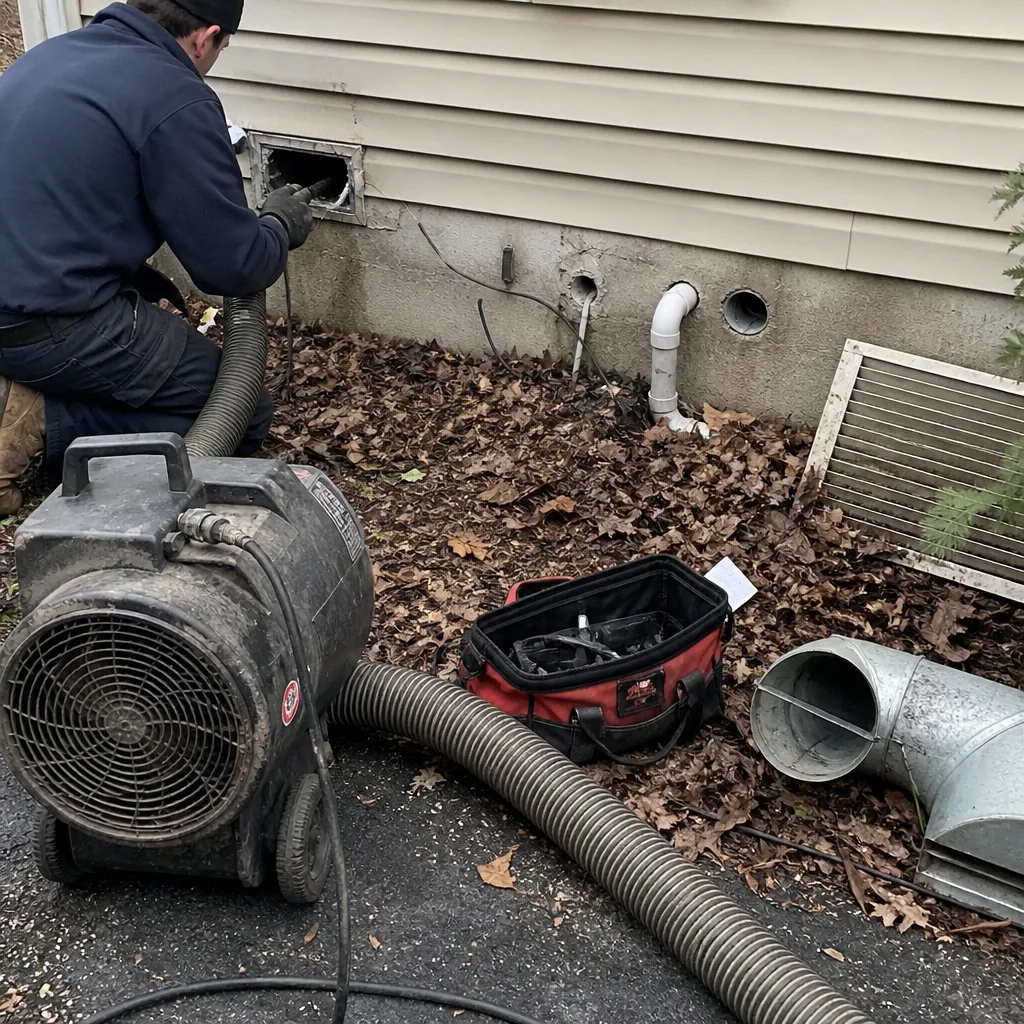
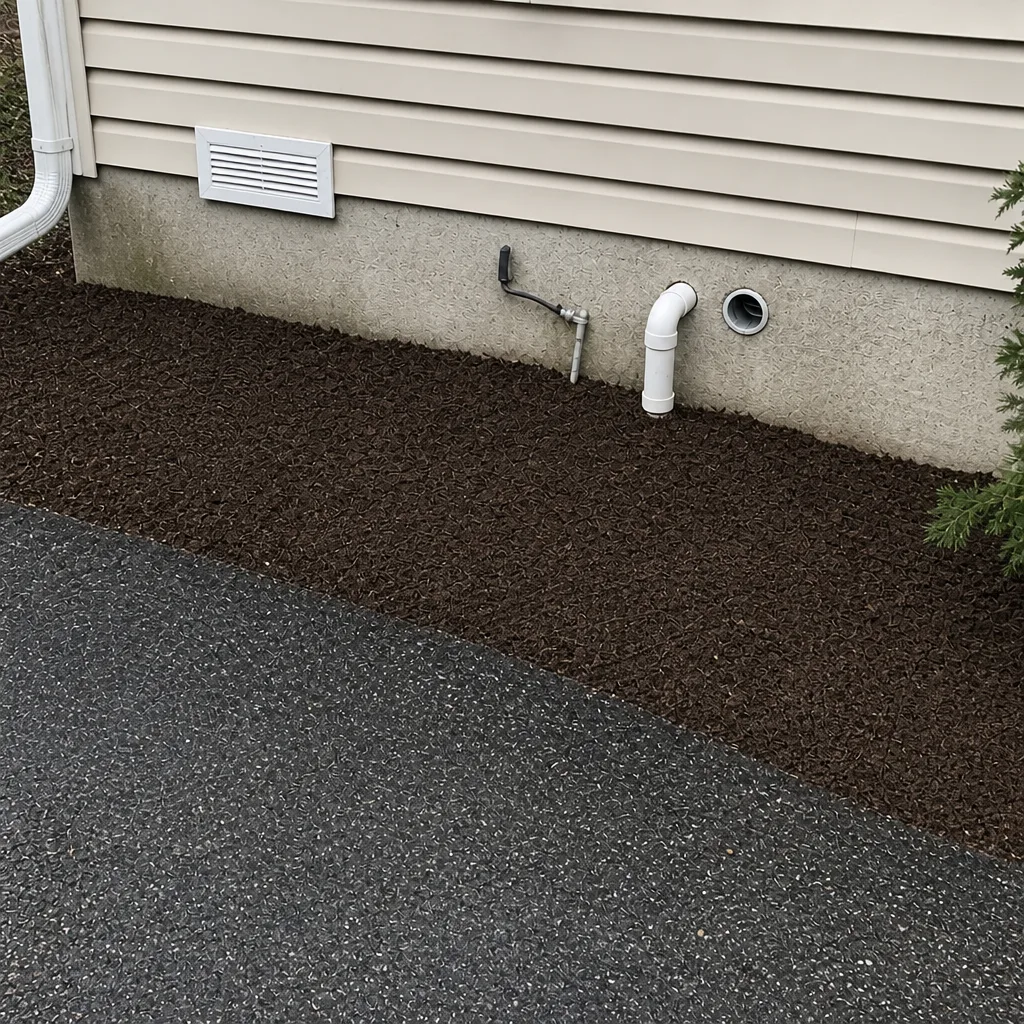
- Before-and-after photos of your own ducts. Not stock images, not generic marketing shots. The photos should show the same access point, with visible before and after condition.
- Visible access points explained. The technician should walk you through where the cuts were made and why, and how each was sealed afterward.
- Equipment named on the job. Ask which system is being used – professional equipment, such as Rotobrush or a HEPA setup like Abatement Technologies, is what separates a real cleaning from a shop-vac visit.
- One flat price per system, agreed before work starts. No per-vent metering, no surprise add-ons once the technician is on site. The written estimate sets the final price.
- Any repair findings shown to you before work proceeds. If a branch is torn or a joint disconnected, the technician should show you the issue and quote the repair before doing it.
- Dryer vent confirmed post-clean. The exterior flap should move freely, and the airflow at the dryer should be verified.
A company that uses its own photos, names its equipment, prices per system, and documents the work is a company you can actually evaluate. Anything less isn’t verification, it’s optimism. Our technicians have up to 12 years of experience, and the before-and-after documentation is standard on every job.
Common Mistakes to Avoid
- Booking on price alone. The lowest quote usually means surface vacuuming, no air handler work, and no documentation. Price by itself doesn’t tell you anything about the service – ask what’s included before you compare numbers.
- Assuming the trunk line is the whole job. If the air handler, plenum, branches, and return aren’t cleaned too, the trunk is just the largest visible piece. Ask specifically which components are covered.
- Skipping the dryer vent. Homeowners often clean the HVAC ducts and leave the dryer vent untouched because it’s “separate.” It isn’t – it’s ductwork, and it carries a fire risk the HVAC ducts don’t.
- Ignoring findings after cleaning. A torn flex branch or a disconnected joint behind a register is what undoes a cleaning in a few months. Fix it when it’s found, not later.
- Choosing a filter by brand instead of by system match. A MERV 13 filter stuffed into a system rated for MERV 8 chokes airflow and strains the blower. Match filtration to what your air handler can handle.
- Believing the “cleaned = done” frame. Duct cleaning is a reset, not a permanent fix. Biofilm, lint, and debris return based on what your system does the rest of the year.
- Not verifying. If you can’t see photos of your own ducts, you have no way to check the work. Ask before the job, not after.
See the difference
 Before
 After
 Before
 After
 Before
 After
When to Call a Professional
Some air quality concerns resolve with a filter change. Others need a system-level look. Call a professional when you notice new or worsening allergies indoors, when a recent renovation sent drywall dust through the return, when the previous owner’s duct cleaning history is unknown, when a room’s airflow has dropped without explanation, when the dryer is taking noticeably longer to complete a cycle, or when you’ve never had a duct assessment on a home older than a few years. These are all situations where source-removal cleaning and inspection pay for themselves in what they catch, not just in what they clean. Duct Cleaning Carmel offers free estimates in Carmel – call (844) 834-5334. We answer 24/7. Fast dispatch from 7am to 7pm, Sunday through Friday.
Frequently Asked Questions
Air duct cleaning in Carmel is priced per system by written estimate, and the estimate is free. The final number depends on the size of your home, the number of branch runs, whether the air handler and coil need cleaning, and whether any repair work surfaces during the assessment. Ask for a flat, per-system figure in writing rather than a per-vent quote, and confirm what’s included before scheduling. Call (844) 834-5334 for an exact quote – estimates are free.
Cheaper quotes usually mean surface vacuuming only, with no air handler cleaning, no HEPA capture, and no before-and-after documentation. A shop-vac or single-suction-point pass takes a fraction of the time and equipment a full source-removal job requires. That’s why the price gap is large. Ask what equipment is being used and which components are included before you compare prices. Call (844) 834-5334 for a written estimate that spells out what’s covered.
Before-and-after photos of your own ducts, at the access points, are the standard verification. A professional job also includes access cuts that are explained and sealed after cleaning, equipment that’s named on the ticket, and a flat price agreed before the work starts. If the company won’t show your own ducts in the photos, the work is unverified. Call (844) 834-5334 to schedule a documented cleaning.
Most homes do well with a cleaning every few years, but the honest answer depends on the house. Homes with pets, recent renovations, allergy-sensitive occupants, or older ductwork with more gaps warrant more frequent attention than a newer, tightly sealed system with a proper filter. Weekly filter checks matter more than a rigid cleaning schedule. Call (844) 834-5334 to talk through what makes sense for your home.
Cleaning and repair are separate line items, but they can happen in the same visit. If a technician finds a torn flex branch, a disconnected joint, or a crushed section, Air Duct Repair can be quoted and completed on the spot. That’s the practical reason to book a company that handles both. Call (844) 834-5334 to schedule a cleaning with repair capability on standby.
Yes, if the vent hasn’t been cleaned recently or if you don’t know its condition. A clogged dryer vent slows drying, strains the dryer, and is a fire hazard because lint is flammable. Adding it to a duct cleaning appointment saves the second visit. Call (844) 834-5334 to add dryer vent cleaning to your system appointment.
The Bottom Line
Duct cleaning in Carmel works best when it’s treated as a system decision, not a single task. The trunk line is where every company starts, but the return, plenum, air handler, branches, and dryer vent are what determine whether indoor air quality actually improves. Professional equipment like Rotobrush, combined with HEPA capture from Abatement Technologies, is the difference between documented removal and a surface pass. Ask for a flat price per system, before-and-after photos of your own ducts, and confirmation of which components are covered. If a repair is needed, get it fixed in the same visit. Call (844) 834-5334 for a free estimate. We answer 24/7. Fast dispatch from 7am to 7pm, Sunday through Friday.
Written by the team at Duct Cleaning Carmel.