
Last updated November 14, 2026
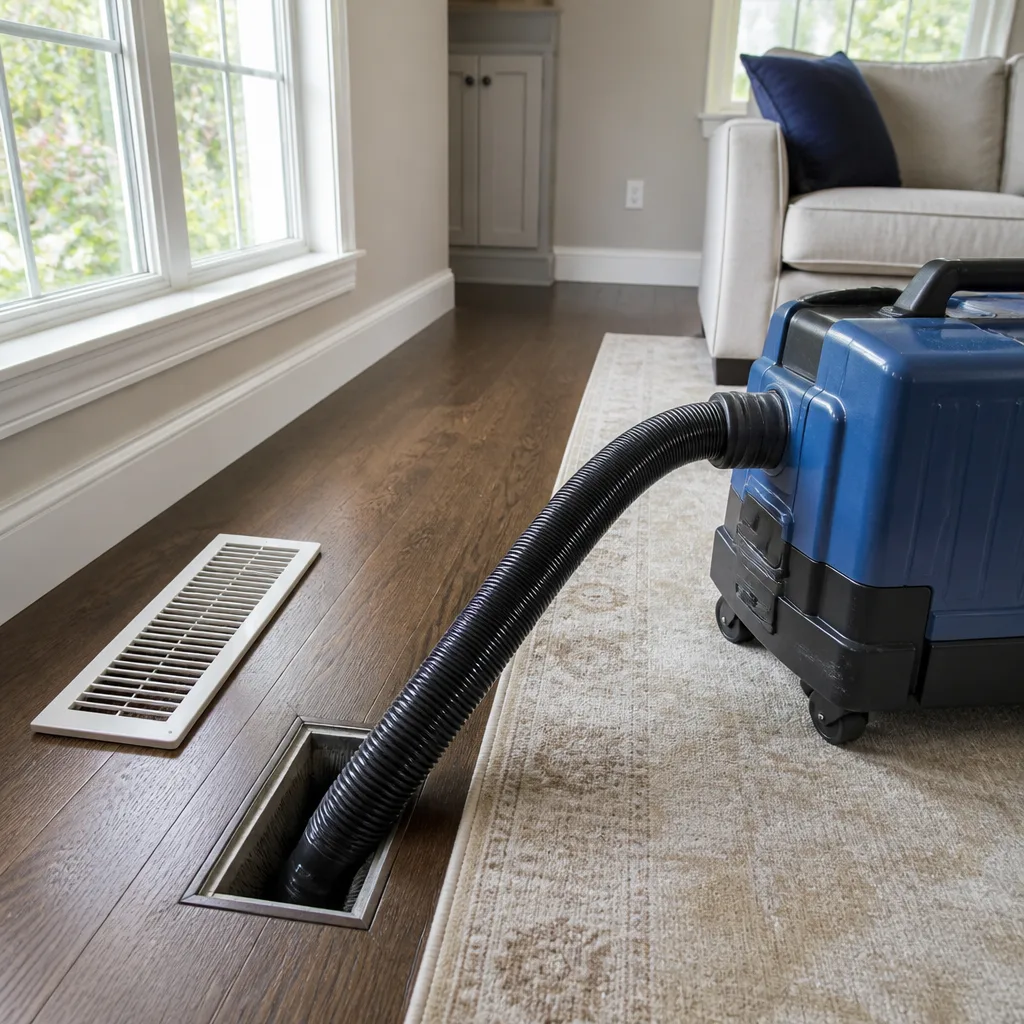 Whole-home duct cleaning
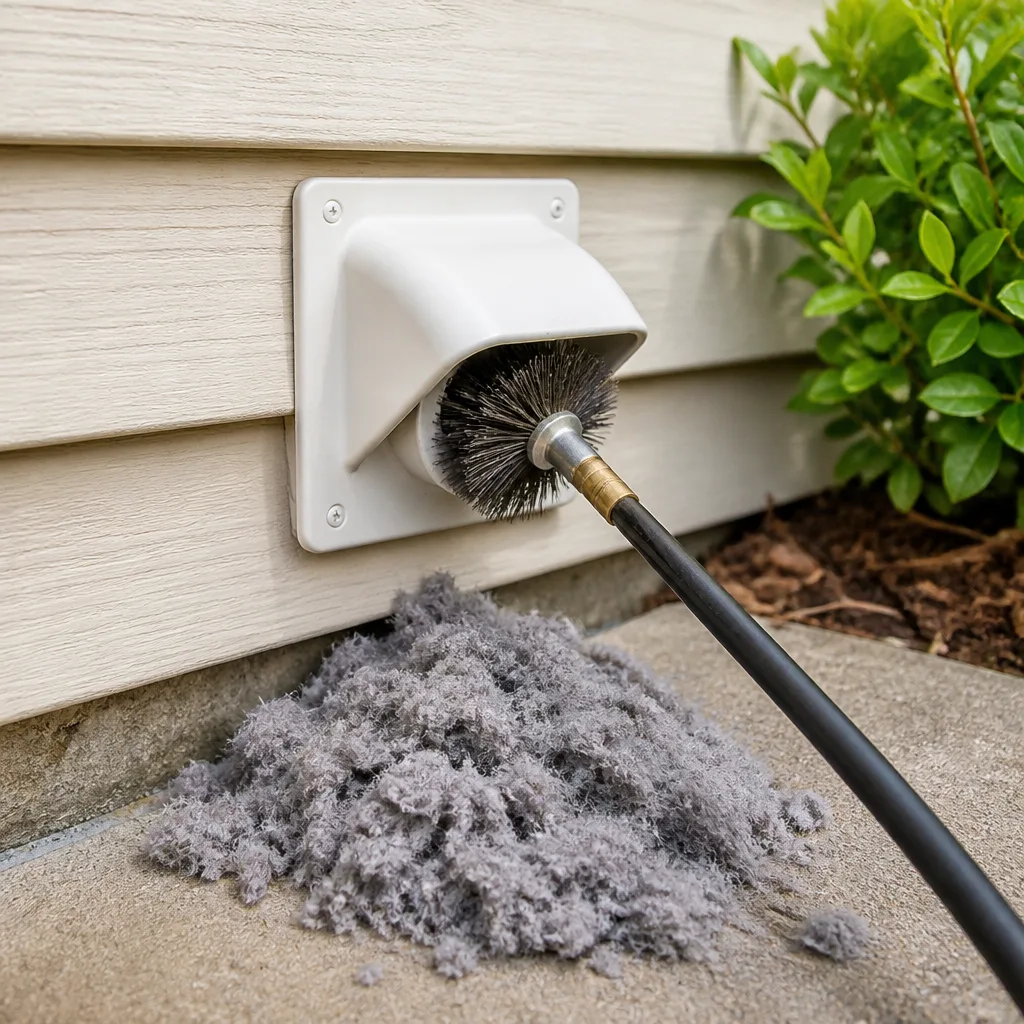 Dryer vent cleaning
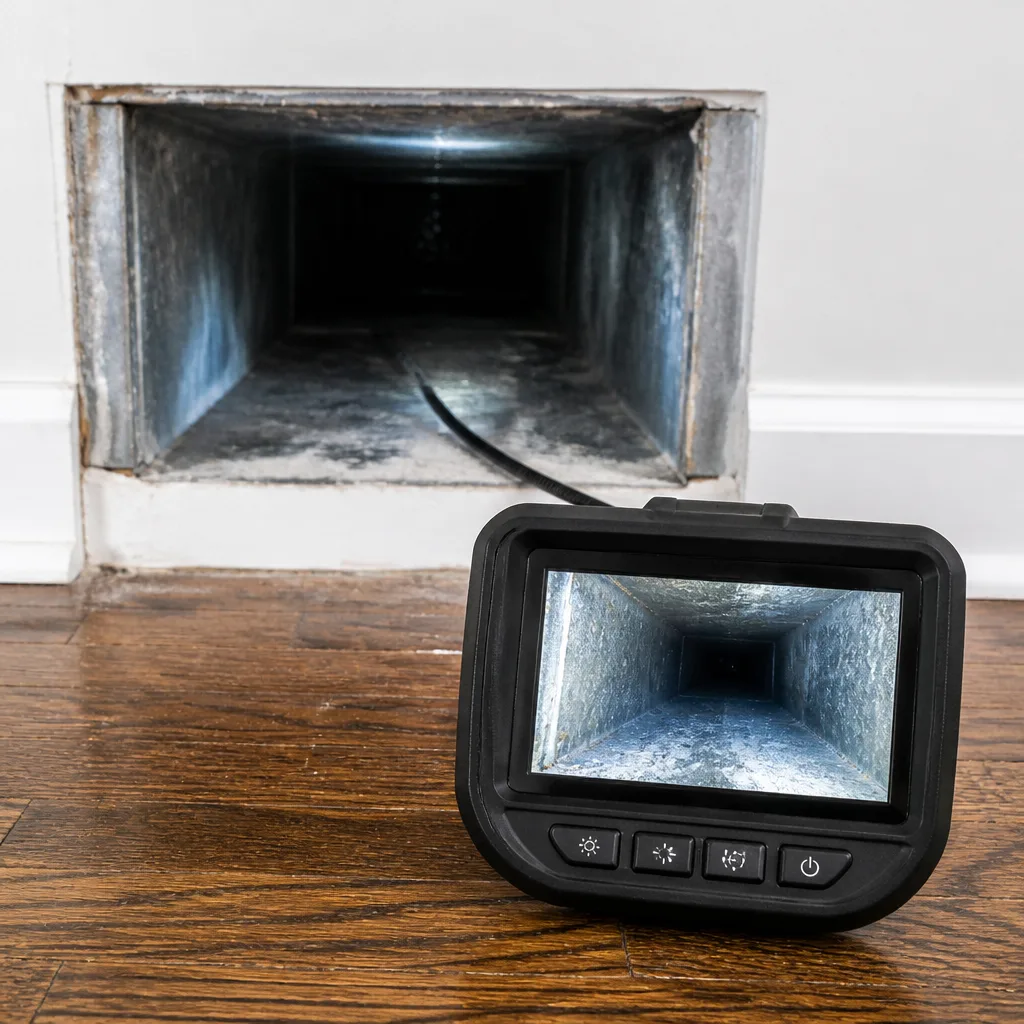 Camera inspection
 Sanitizing & deodorizing
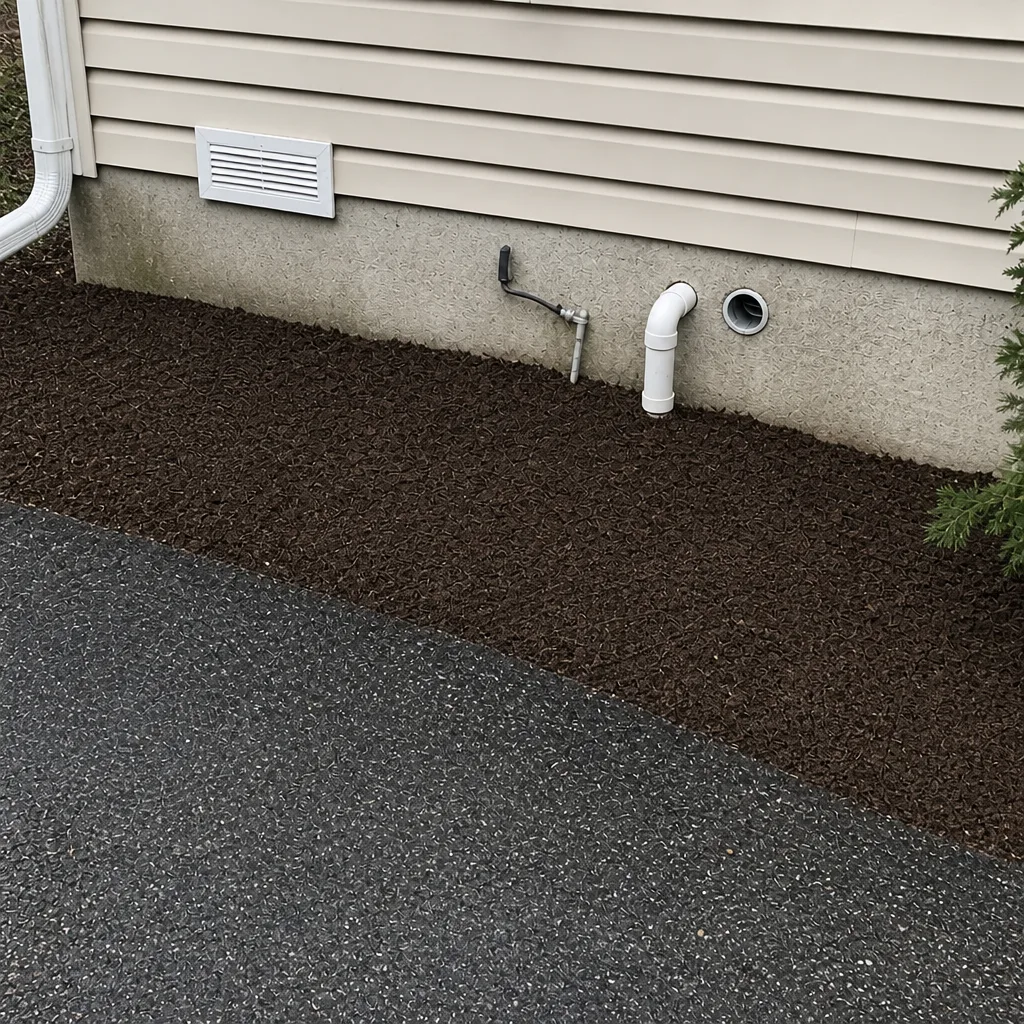
Whole-system duct and dryer vent check with before-and-after photos - you see exactly what came out of your vents
That "$99 whole-house special" is a bait ad - the real number appears once they are in your hallway, or the "clean" is a shop-vac at the register. We photograph the inside of your ducts before and after instead.
Seasonal Air Duct Cleaning Care for Carmel: Year-Round Homeowner’s Guide
Most homeowners treat duct cleaning as an annual chore, something to check off once and forget until next year. That approach misses how your ductwork actually behaves. Carmel’s four-season climate doesn’t stress your HVAC system in one uniform way. It stresses it in four distinct patterns, and each one leaves a different footprint inside your return ducts. Spring pollen arrives in force, summer humidity settles in for weeks, fall debris collects while the furnace rests, and winter lint builds up in your dryer vent while the windows stay closed. Cleaning once a year means three of those seasons keep compounding while you wait. This guide maps each season to specific system behaviors and maintenance timing, so your cleaning schedule ties to what’s actually happening in your home rather than a generic recommendation.
Quick Answer
Air duct cleaning in Carmel works best on a seasonal schedule rather than a strict annual one: target a cleaning after the heating season ends in spring (the highest-contamination window due to pollen and heating residue), address filter changes more frequently during summer and winter when runtime is highest, and schedule dryer vent cleaning in winter when lint accumulation peaks. Each season stresses your system differently, so the maintenance response should change with it.
Styles & brands we work with
- Whole-home duct cleaning
- Dryer vent cleaning
- Camera inspection
- Sanitizing & deodorizing
Table of Contents
- Why Seasonal Timing Matters More Than Annual Cleaning
- Spring in Carmel: Post-Heating and Peak-Pollen Season
- Summer: Humidity, Condensation, and Attic Flex Duct Risk
- Fall: Pre-Heating-Season Inspection and Off-Season Debris
- Winter: Dryer Vent Lint and Closed-Window Air Quality
- Filter Change Intervals Based on Runtime, Not the Calendar
- Building Your Carmel Duct Maintenance Calendar
Why Seasonal Timing Matters More Than Annual Cleaning
Duct contamination doesn’t accumulate at a steady rate throughout the year. It accumulates in bursts, and those bursts are tied to how hard your system works and what’s in the air it’s pulling in. A fall cleaning captures debris that’s been sitting quietly since spring. A spring cleaning captures what four months of heavy heating runtime plus peak pollen exposure deposited inside your return ducts. Those are not equivalent cleanings, even if they cost the same.
In our experience, homeowners in Carmel who schedule cleaning by calendar month rather than by system behavior often end up cleaning at the wrong time. The result is a system that still looks and smells contaminated shortly after a cleaning that was technically scheduled on time.
The core principle here is straightforward: cleaning should follow contamination peaks, not bookend them. That means matching your cleaning to when your system was actually pulling the heaviest load of contaminants, and to when the next high-contamination window is approaching, so you start clean.
There is a second reason seasonal timing matters: it lets you catch problems before they compound. A flex duct that develops a small condensation problem in a humid Carmel summer can grow mold on the interior lining if ignored until the following spring. A dryer vent that builds up extra lint during winter’s heavier laundry loads presents a fire-safety risk that only gets worse with each cycle.
This guide treats each of Carmel’s four seasons as a distinct maintenance window with its own priorities. Some seasons call for full cleaning. Others call for inspection, a filter adjustment, or a dryer vent check. Together they form a maintenance calendar you can actually follow.
Spring in Carmel: Post-Heating and Peak-Pollen Season
Spring is the highest-contamination window for return duct systems in Carmel, and it’s not close. Two things converge at once: your heating system has just finished months of heavy runtime, and pollen counts climb sharply as trees and grasses release week after week of airborne material. That pollen doesn’t stay outdoors. Every time your system runs, return ducts pull in outdoor air and whatever rides along with it, meaning pollen accumulates inside your ductwork in ways a fall cleaning completely misses.
The heating season deposits its own material. Furnace runtime concentrates dust, dander, and fine debris in return ducts, and that debris becomes the base layer that new pollen settles onto. By the time April and May arrive, your return system is carrying months of accumulated load.
What Spring Cleaning Should Address
- Return duct pollen load: The fine material pulled in during peak pollen weeks settles in return runs and branch ducts, particularly where airflow slows.
- Post-heating residue: Dust and fine debris concentrated by months of heating runtime.
- Filter status: A filter that ran through an entire heating season is likely loaded enough to reduce airflow, which increases the burden on the blower.
- Duct integrity check: Spring is a good time to inspect connections for gaps that let pollen-laden air bypass the filter entirely.
This Is the Window to Clean, Not Delay
If you clean once a year, spring is the right season in Carmel. Waiting until fall means your system runs all summer with that accumulated pollen load riding through the ducts. Professional-grade equipment matters here: consumer-grade vacuums can’t capture fine pollen-sized particles, and without proper HEPA-level filtration some of that debris simply gets redistributed. That’s why our air duct cleaning uses Rotobrush and Nikro systems with Abatement Technologies equipment for verified contaminant capture.
Spring is also when homeowners notice allergen symptoms indoors as windows come open and outdoor pollen counts rise. Cleaning the ducts first means the outdoor pollen load doesn’t build on an already-loaded interior system.
Summer: Humidity, Condensation, and Attic Flex Duct Risk
Carmel’s summers are humid, and humidity creates a problem that most duct cleaning advice ignores: condensation inside ductwork, particularly on poorly insulated flex duct in attics. Unlike air leaks or dust accumulation, condensation creates conditions where mold and fungal growth can establish on duct interior surfaces. Once that happens, cleaning alone may not be enough, which is why summer inspection matters as much as cleaning.
The mechanism is straightforward. Cool air moving through a duct in a hot, humid attic creates temperature differentials. Where insulation is thin, damaged, or missing on flex duct, moisture condenses on the cooler outer surface and sometimes reaches the interior. Over a full summer in a humid Carmel attic, that moisture can be persistent enough to support growth.
What to Watch for in Summer
- Musty odor on startup: A smell when the air conditioning kicks on often points to moisture-related growth somewhere in the system.
- Visible moisture on attic flex runs: A quick attic inspection can reveal condensation on duct surfaces.
- Deteriorating or compressed insulation: Flex duct insulation loses effectiveness when compressed or torn, raising condensation risk.
- Runtime-based filter checks: Summer often means near-continuous runtime, so filter intervals should shorten accordingly.
If summer inspection turns up compromised ductwork, that’s where our duct cleaning Carmel capability differs from a basic cleaner: air duct repair is part of what we do, so problems found during a summer inspection can be addressed rather than passed to another contractor. We find problems and fix them in the same visit. Summer is also a reasonable time for a mid-year cleaning if spring cleaning was skipped.
Fall: Pre-Heating-Season Inspection and Off-Season Debris
Fall serves a different purpose than spring in a Carmel duct maintenance calendar. It’s less about cleaning out heavy accumulation and more about preparing for the heating season that follows. Your system has run through months of summer cooling, some debris accumulates during the off-season from normal household activity, and the first heating run is approaching. The goal in fall is to enter heating season with a system that’s been checked and cleaned as needed.
The debris that accumulates in fall is often overlooked. Fine material from summer’s cooling runtime settles in duct runs, and the fall transition period means lower airflow in some seasons as the system switches modes. Particles that would normally stay airborne settle out more readily.
Fall Maintenance Priorities
- Inspect and clean as needed: If spring cleaning was done, fall may only need an inspection. If not, this is the second-best cleaning window after spring.
- Check filter condition before the first heating run: A fresh filter going into heating season reduces load on the system.
- Inspect for summer damage: Attic flex duct that showed condensation risk in summer should be verified before cold weather arrives.
- Air quality system check: If you run filtration or humidification equipment, fall is the time to verify it’s working before it matters most.
Air Quality Systems and Fall Preparation
Fall is a natural time to check any air quality equipment you have. We work with Honeywell and Aprilaire systems, and equipment that sits idle through summer can develop issues before the heating season brings it back online. Verifying these systems before winter means they actually function during the months you rely on them. Cleaning and filtration tie together here: clean ducts plus working filtration is a fundamentally different system than one that runs on damaged filters with a dirty duct network.
Fall is also the time to think about winter before it arrives. A system going into heating season clean and inspected will run more efficiently, and the seasonal deposits from heating will have a clean surface to settle on rather than compounding on months of previous buildup. Post-cleaning, Guardsman protective treatments are available to help extend duct cleanliness through the season ahead.
Winter: Dryer Vent Lint and Closed-Window Air Quality
Winter puts two different systems under stress, and only one of them is your HVAC ductwork. The other is your dryer vent. Dryer vent lint accumulation peaks in winter for a simple reason: more laundry loads run during cold months, and lint that would normally escape through open windows or spread through ventilated spaces instead concentrates in a closed home. The dryer vent becomes the single highest-risk component in the house during winter from a fire-safety standpoint.
This is a genuine safety concern, not a maintenance nicety. Lint is highly flammable, and it accumulates in dryer vents in ways owners rarely see. A clogged or heavily loaded dryer vent restricts airflow, which raises dryer operating temperatures and creates conditions that make lint ignition more likely. Standalone duct cleaners often skip dryer vents entirely. We treat dryer vent cleaning as a dedicated, fire-safety-focused service with its own seasonal timing.
Why Winter Is the Season for Dryer Vent Attention
- More laundry loads: Winter means heavier clothing, more layers, and higher total dryer cycles, so lint accumulates faster.
- Closed windows mask problems: Odors and moisture that would otherwise disperse are trapped indoors, so you notice less and over time may normalize what a vent problem smells like.
- Dryer runtimes lengthen: A restricted vent makes each load take longer, which increases heat exposure and lint generation.
- System strain: Restricted airflow puts more thermal load on the dryer itself.
Winter Air Quality Inside a Closed House
With windows closed through winter, indoor air quality is essentially the quality of what your system circulates. Allergens, particulate matter, and the accumulation of winter’s HVAC runtime mean the air loops through the same duct network repeatedly. Winter is when a dirty duct system is most noticeable; it’s also when cleaning windows for ventilation isn’t an option. A cold-weather cleaning window or a check before the season starts makes a real difference.
Winter is also a good check-in for air quality systems. We service Honeywell and Aprilaire equipment, and if you’re running additional filtration or humidification in winter, connected systems that sit between clean ducts and the room make a greater difference than a single one on its own. An air quality system only gets you as far as the duct network it accesses.
Filter Change Intervals Based on Runtime, Not the Calendar
Standard advice says change your filter every 30, 60, or 90 days. That advice swaps calendar months for a metric that doesn’t reflect how hard your system actually runs. Runtime is what loads a filter, and in Carmel, runtime swings dramatically between seasons. A filter changed on a calendar interval in summer will be fully loaded long before the date arrives; the same filter schedule going into winter may over-service a filter that hasn’t reached capacity.
The better approach: base filter intervals on hours of runtime, and adjust seasonally.
A Runtime-Based Approach to Filter Changes
- Track your system’s heaviest runtime seasons: In Carmel, summer cooling and winter heating are the highest-runtime periods. Filter intervals should be shortest during these seasons.
- Inspect filters at the start of each seasonal transition: Spring to summer and fall to winter are good inspection points, since the burden is about to increase.
- Use pressure drop or visual check rather than a fixed number of days: A filter visibly loaded or visibly dark doesn’t need to wait for the calendar. If it looks loaded, it is.
- Shorten intervals in summer and winter, extend slightly in spring and fall: When transition periods bring moderate runtime, filter changes can space out responsibly.
- Replace filters as part of seasonal cleaning: A fresh filter going into a clean system is the state you want to start each season from.
The filter-to-duct relationship matters here. A clean filter catches most incoming particulate before it reaches the ducts. A loaded filter passes more through to settle in the duct network. If your cleaning schedule and filter schedule drift apart, the ducts carry the difference.
Filter Type Guidance
Higher-MERV filters catch more particles but restrict airflow more. The right filter is a function of what your system was designed for and how quickly it loads. In a high-pollen Carmel spring, a higher-capture filter during pollen weeks can reduce material reaching the ducts. In summer’s high-runtime period, a filter that’s too restrictive can raise operating cost and reduce airflow. Matching the filter to the season is a genuine adjustment, not marketing.
If you’re unsure what filter a given system is designed for, our air duct cleaning process includes an inspection of the filter housing and the filter type that hasn’t been blocking airflow. We can flag mismatches without pushing a replacement.
Building Your Carmel Duct Maintenance Calendar
A seasonal calendar is the practical output of everything above. The goal is to know what each season needs and to follow through without over-scheduling or under-scheduling. Here’s how the calendar breaks down based on the four seasons we’ve covered and the way they stress a typical Carmel home’s duct system.
The Seasonal Calendar at a Glance
- Spring (highest-priority cleaning window): Post-heating and peak-pollen. Full cleaning if you clean once a year. Inspect filter housing and replace filters entering the cooling season. Check return duct connections for gaps.
- Summer (inspection and repair window): Inspect attic flex duct for condensation and insulation damage. Shorter filter intervals due to heavy cooling runtime. Full cleaning if spring was skipped.
- Fall (preparation and inspection window): Inspect and clean as needed. Replace filters before heating season. Verify air quality systems are working. Check condition of any ductwork flagged in summer.
- Winter (dryer vent safety and interior air quality): Dryer vent cleaning as a fire-safety priority during heavy laundry season. Shorter filter intervals during heating runtime. Check air quality system function.
Where Duct Cleaning Fits on the Calendar
Not every season requires full cleaning, but every season requires awareness of what’s going on inside the system. A reasonable default for a typical Carmel home:
- Spring: Schedule cleaning. This is the season that replaces the vague “annual” advice with a specific, well-timed cleaning.
- Summer: Inspect, clean only if needed, and address any repair issues found during inspection.
- Fall: Inspect and prepare filters and air quality systems. Clean if spring cleaning was skipped.
- Winter: Dryer vent cleaning and filters. Full duct cleaning if neither spring nor fall cleaning was done.
Homeowners with pets, allergy-sensitive family members, recent renovations, or a home that’s just been purchased should consider shortening the intervals. A recently remodeled home or a newly purchased property often has construction debris in the ducts independent of seasonal patterns. In those cases, an off-cycle cleaning makes sense. When we clean, our equipment captures contaminants and provides documentation so you can verify the work rather than take it on faith.
Common Mistakes to Avoid
- Treating “clean annually” as sufficient. A single cleaning misses three of four seasonal contamination windows. Spring accumulation compounds through summer if not addressed, and winter’s dryer vent risk is missed entirely.
- Cleaning in fall and calling it done. A fall cleaning in Carmel may miss the highest-contamination spring window, which is the one that matters most for return duct pollen load.
- Changing filters on calendar days only. A filter tracked by “30 days” loads differently in summer than in spring. Intervals should track runtime.
- Ignoring the dryer vent between cleanings. The dryer vent is a seasonal necessity in Carmel winters, when laundry volume rises and closed windows concentrate lint indoors.
- Never inspecting attic flex duct. A poorly insulated flex run can show condensation risk in one humid summer and develop a real problem the next. Annual attic inspection catches it before that.
- Assuming a low price covers seasonal needs. A quote that only covers basic duct vacuuming won’t include dryer vent safety, duct repair, or air quality system checks. Look at what the service actually includes.
- Buying air quality equipment without maintaining the ducts. A high-end filtration system pulling through dirty ducts reaches the rooms already loaded with what came through. Cleaning and filtration are one system.
See the difference
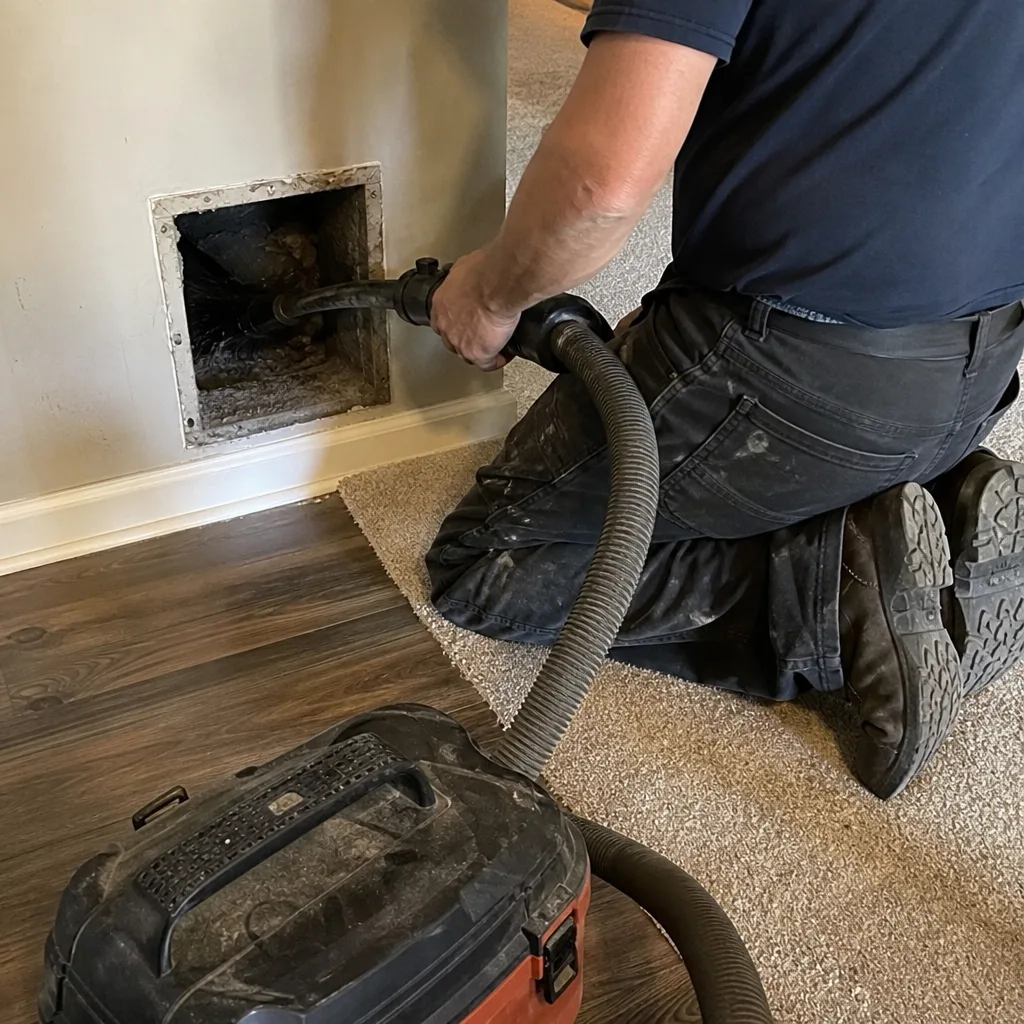 Before
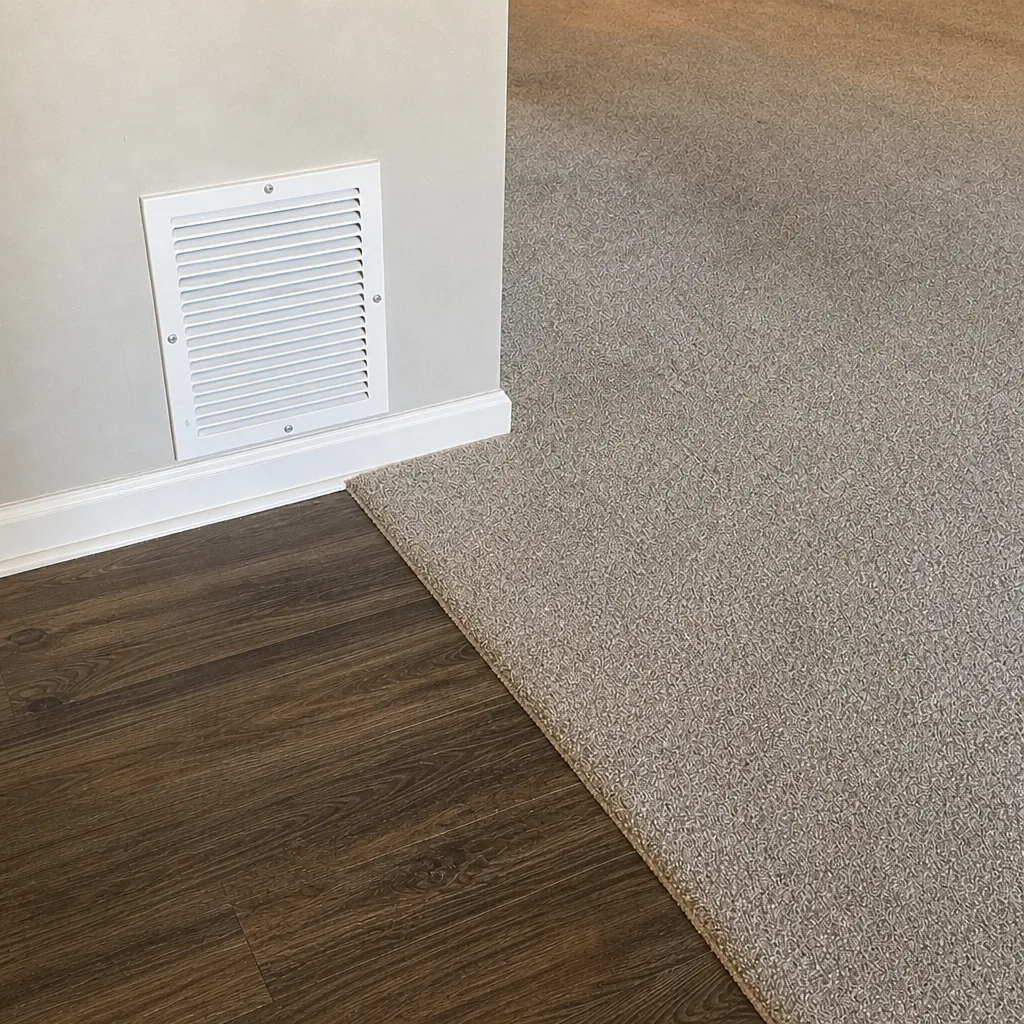 After
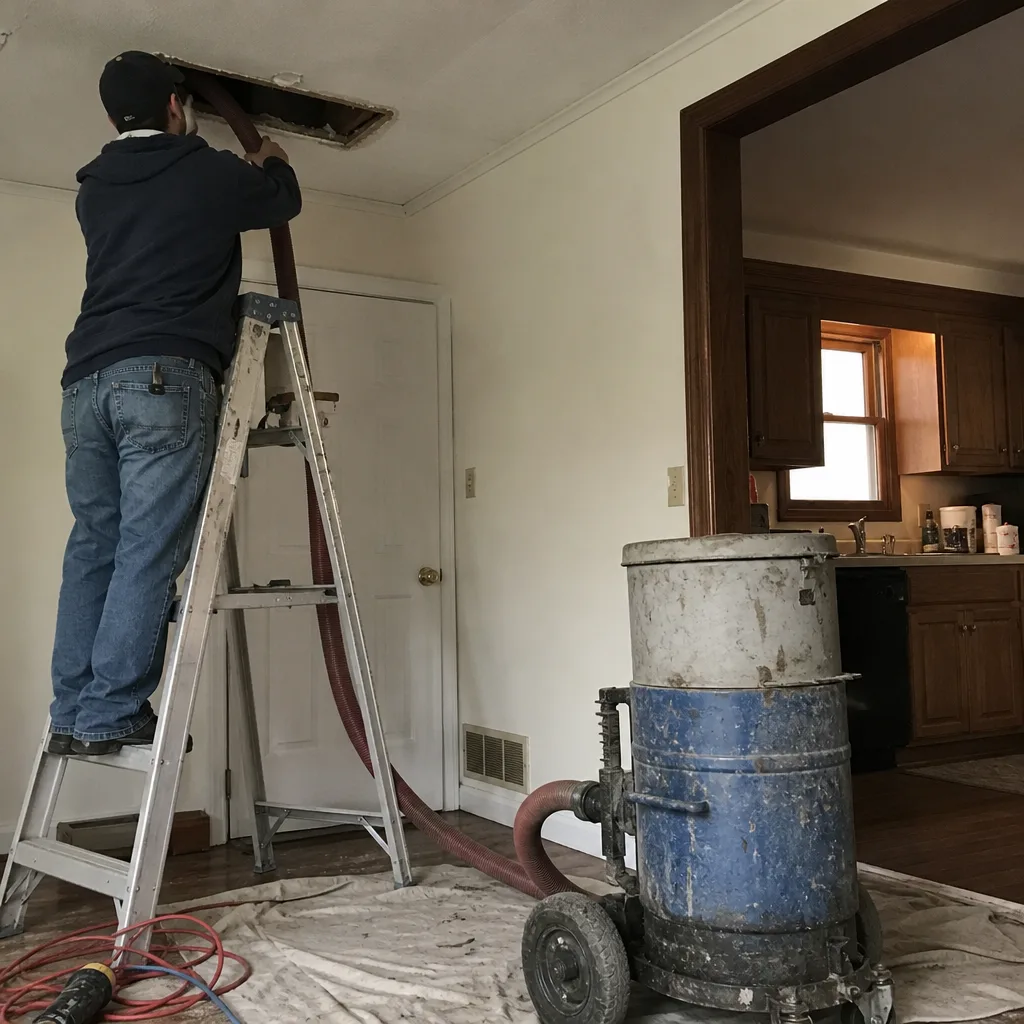 Before
 After
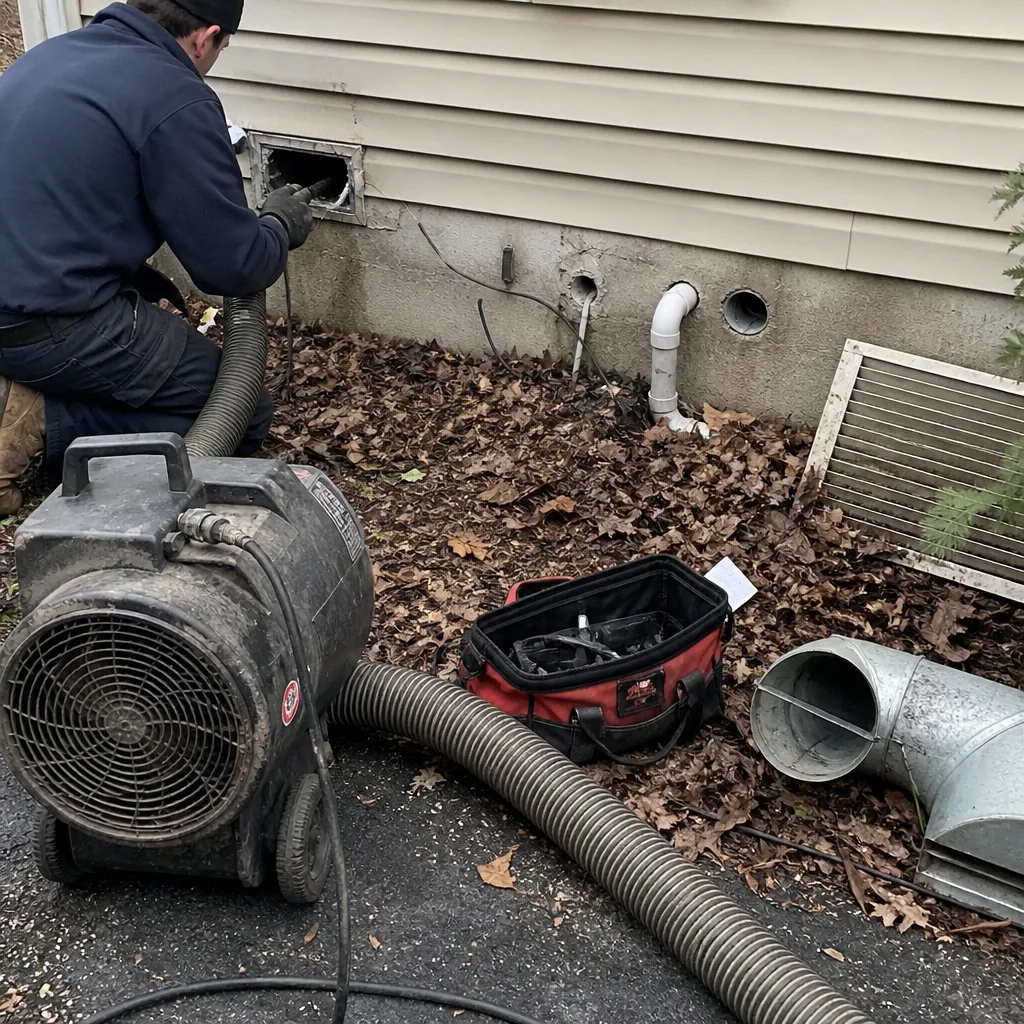 Before
 After
When to Call a Professional
Some seasonal work you can handle yourself: visual filter checks, an attic inspection of flex duct insulation, replacing filters on a runtime-informed schedule. But some situations need professional assessment and professional-grade equipment. Call us when you notice a musty or stale smell that returns after a cleaning, when visible dust trails appear from supply registers shortly after a cleaning, when your ductwork has visible gaps, compression, or damage, or when a renovation or home purchase leaves unknown debris in the system. Dryer vent cleaning, especially in winter when lint loads peak, is a safety service worth calling a professional for as a matter of habit.
Duct Cleaning Carmel offers free estimates in Carmel. Call (844) 834-5334. We answer 24/7. Fast dispatch from 7am to 7pm, Sunday through Friday. Our technicians have up to 12 years of experience, and our equipment set (Rotobrush, Nikro, and Abatement Technologies systems) is the professional-grade side of the market, not consumer vacuum setups.
Frequently Asked Questions
A seasonal approach fits Carmel’s climate better than a strict “once a year” rule: schedule a full cleaning in spring (the highest-contamination window due to post-heating accumulation and peak pollen), inspect in summer for condensation and attic flex duct issues, prepare filters and air quality systems in fall, and prioritize dryer vent cleaning in winter. Homes with pets, allergy-sensitive family members, or a recent renovation should shorten the intervals.
Spring is the year’s highest-contamination window because two things converge: your heating system has just finished months of heavy runtime, and pollen counts climb sharply. Pollen that enters through return ducts compounds on months of heating residue, and a fall cleaning misses that spring load entirely. Cleaning in spring starts the cooling season from a clean system rather than an already-loaded one.
Yes, particularly poorly insulated flex duct in attics. Cool air moving through hot, humid attic space can cause condensation where insulation is thin, damaged, or missing, and persistent moisture can support mold growth on the interior surface. Summer inspection of attic flex runs is worth treating as routine, and if condensation or damage is found, air duct repair belongs in the same conversation as cleaning.
Winter is when dryer vent lint accumulation peaks: more laundry runs through the dryer during cold months, and closed windows mean lint that would otherwise spread doesn’t escape. The dryer vent becomes the highest fire-safety-risk component in the home during winter. Dryer vent cleaning during winter is a safety measure, not a cosmetic one.
Runtime is the better metric because it reflects what actually loads a filter. In Carmel, summer cooling and winter heating are the heaviest-runtime seasons, so filter intervals should be shortest then. A filter changed on a fixed 30- or 60-day schedule can be loaded long before the calendar catches up in summer, or under-serviced in a mild transition period. Match filter changes to runtime and inspect before each seasonal shift.
Yes. A filtration system like a Honeywell or Aprilaire unit placed between your ducts and your rooms captures what passes through it, but it only reaches the rooms as effectively as the duct network it accesses. Clean ducts plus a functioning air quality system outperform either alone. Because we service those systems, one call covers cleaning, filter check, and air quality system attention.
The Bottom Line
A seasonal calendar fits Carmel’s four-season climate better than a generic annual cleaning rule. Spring is your highest-contamination window, when post-heating residue and peak pollen converge in return ducts. Summer calls for attic flex duct inspection and humidity awareness. Fall is about preparation: filters, air quality systems, and any issues flagged in summer. Winter belongs to dryer vent cleaning and indoor air quality with the windows closed. Filters should track runtime, not months. And cleaning plus repair plus air quality systems together is a fundamentally stronger approach than cleaning alone. Matching your maintenance to the season means you’re addressing contamination windows as they happen, not months late.
If you want a specific plan for your home in Carmel, Duct Cleaning Carmel offers free estimates. Call (844) 834-5334. We answer 24/7. Fast dispatch from 7am to 7pm, Sunday through Friday.
Written by the team at Duct Cleaning Carmel.