
Last updated November 14, 2026
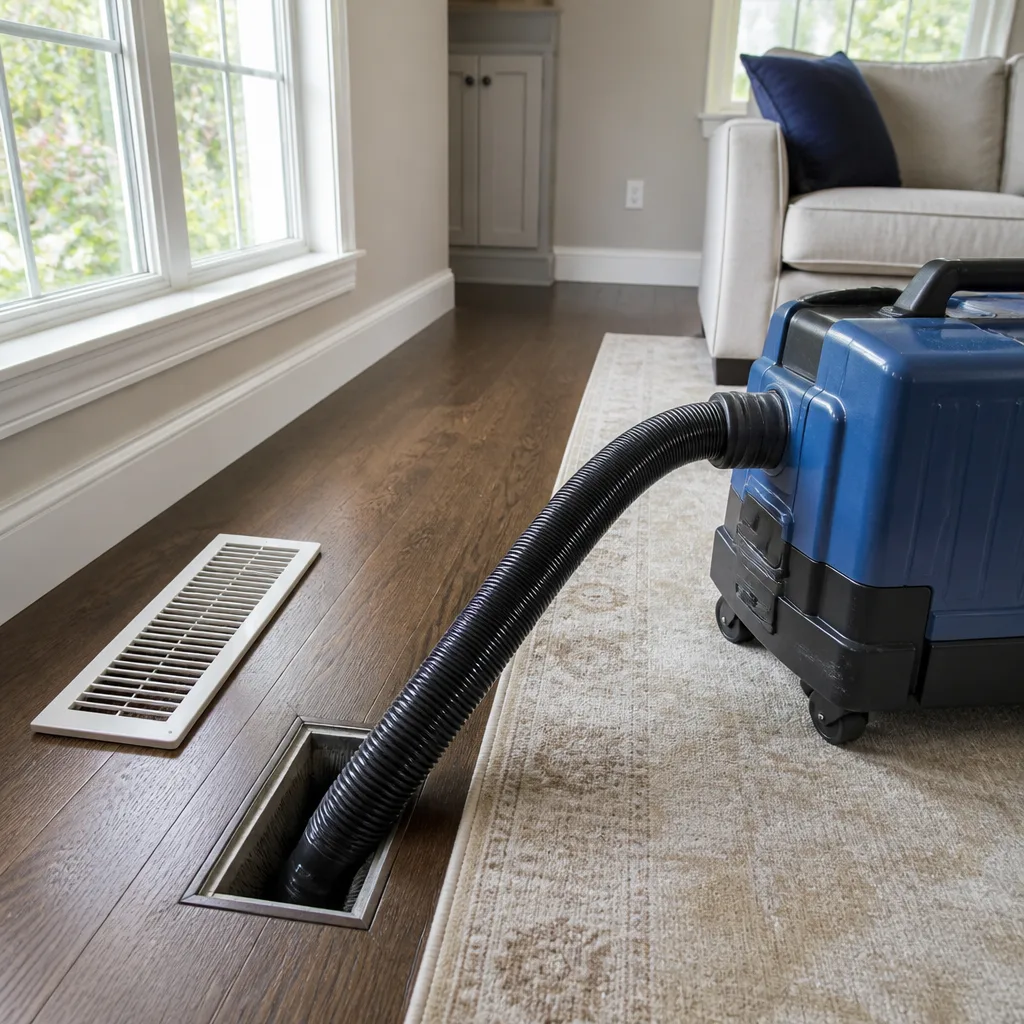 Whole-home duct cleaning
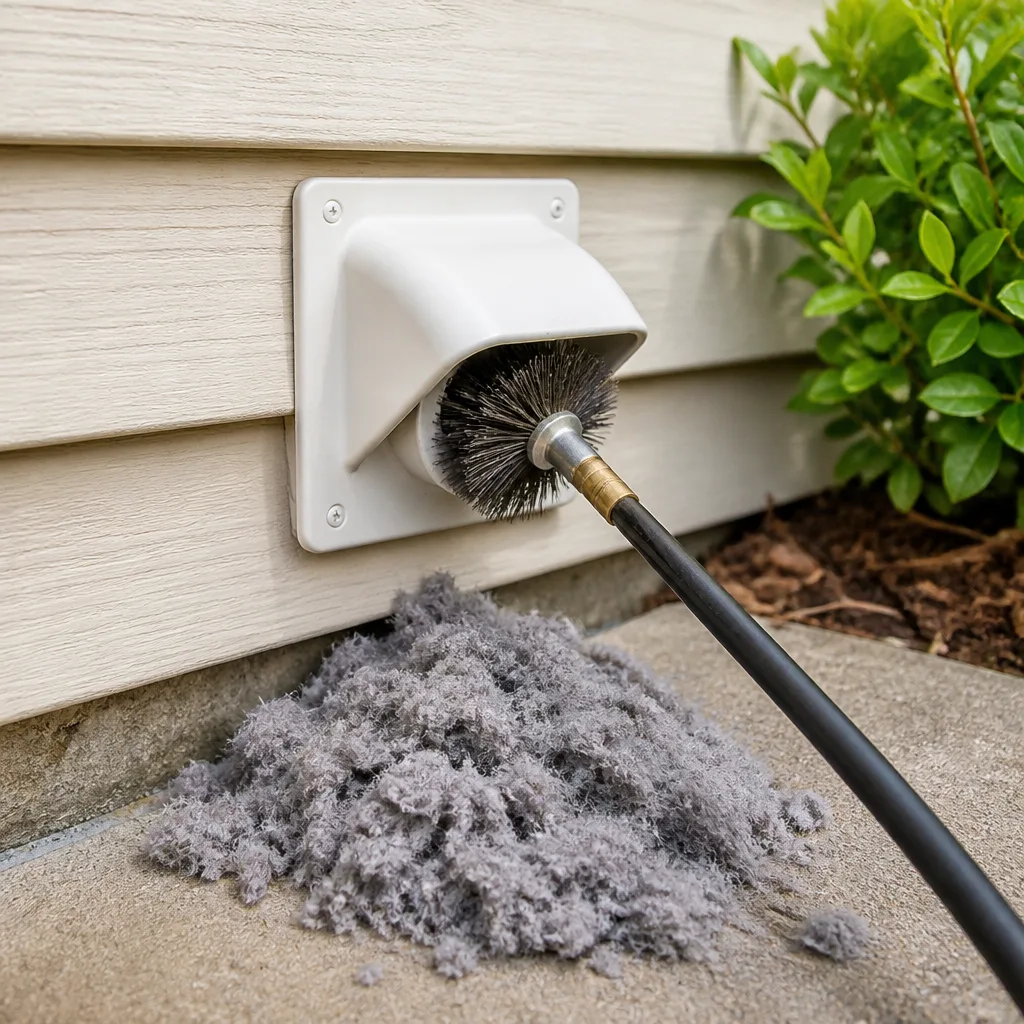 Dryer vent cleaning
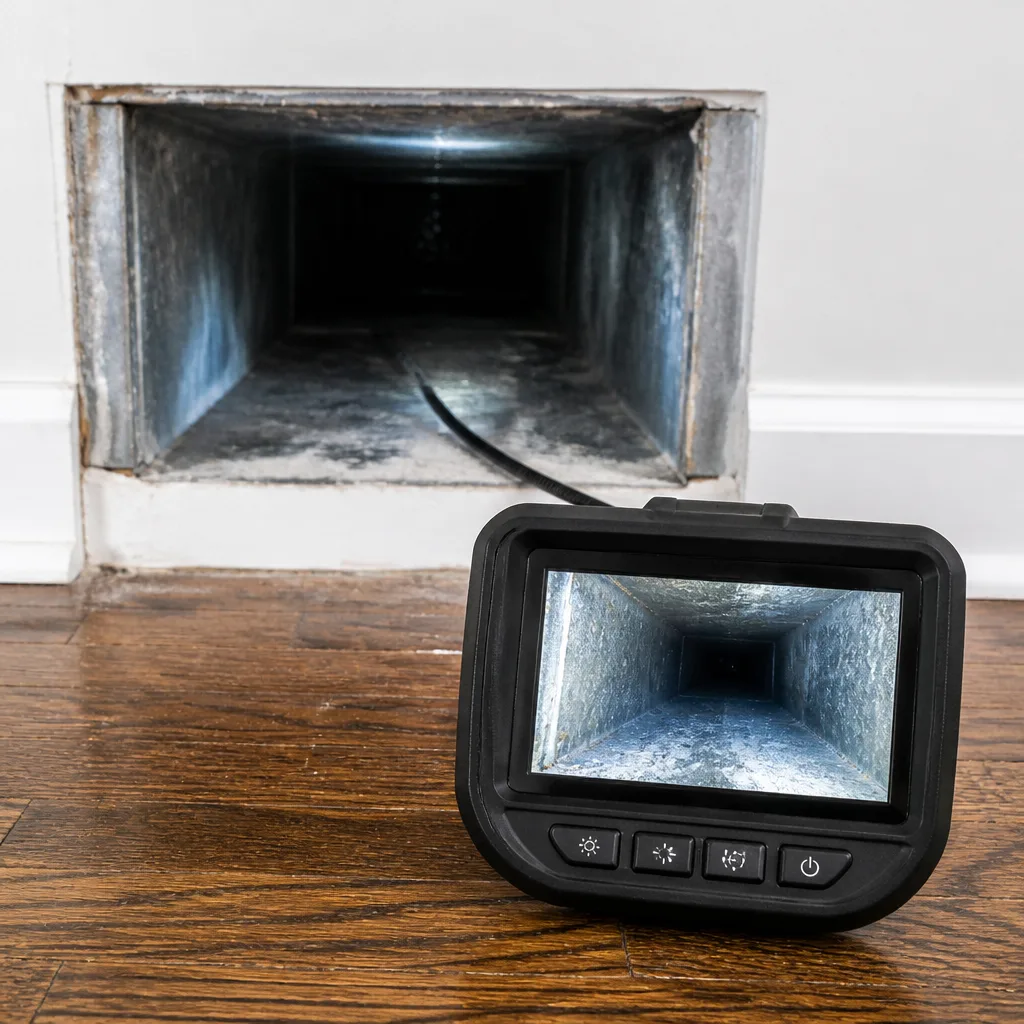 Camera inspection
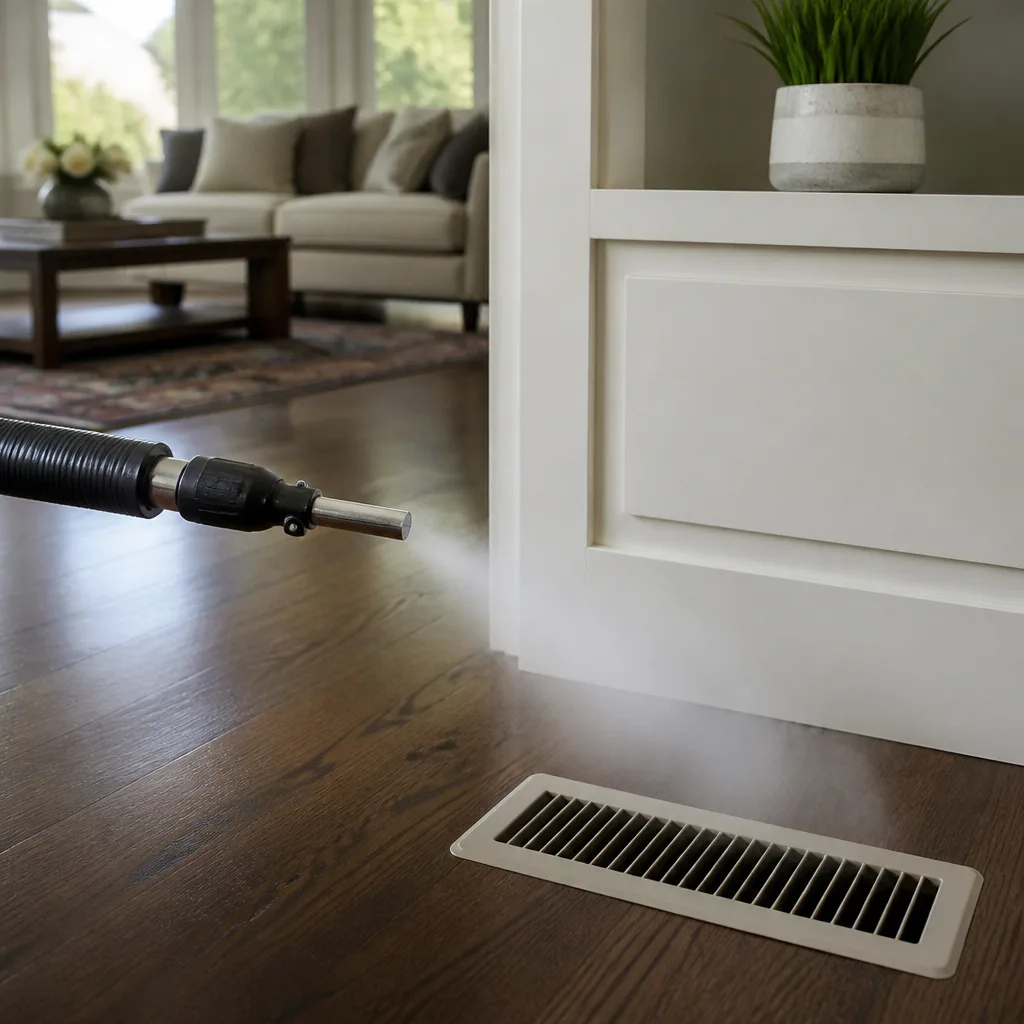 Sanitizing & deodorizing
Whole-system duct and dryer vent check with before-and-after photos - you see exactly what came out of your vents
That "$99 whole-house special" is a bait ad - the real number appears once they are in your hallway, or the "clean" is a shop-vac at the register. We photograph the inside of your ducts before and after instead.
DIY vs Professional Air Duct Cleaning: The Carmel Homeowner’s Decision Guide
A $60 dryer vent brush kit is a legitimate DIY tool. A $30 duct cleaning kit attached to your shop vac is mostly moving debris from one part of your duct system to another – and the physics of why that’s true are worth understanding before you start. Most homeowners assume the choice between DIY and professional duct cleaning comes down to money, or to how much effort they’re willing to put in. It doesn’t. It comes down to whether the equipment in the room can create the negative pressure and mechanical agitation that source removal actually requires. This guide explains that distinction in plain terms, points out which tasks you genuinely can do yourself, and gives you a framework for deciding what’s right for your Carmel home. Our technicians have up to 12 years of experience, and we’ve had this conversation with a lot of homeowners on both sides of the decision.
Quick Answer
Consumer-grade duct cleaning kits generally cannot achieve the sustained negative pressure and simultaneous mechanical agitation that source removal requires, so a DIY attempt usually redistributes debris rather than removing it from the system. Professional cleaning uses truck-mounted or high-powered equipment – like the Rotobrush and Nikro systems we work with – with HEPA-level contaminant capture, plus an inspection that surfaces disconnected sections and biological growth a homeowner would never see. That said, some DIY tasks genuinely help: register cleaning, filter maintenance, and brushing short accessible dryer vent runs. Call (844) 834-5334 for a free estimate if you want to know where your system stands.
Styles & brands we work with
- Whole-home duct cleaning
- Dryer vent cleaning
- Camera inspection
- Sanitizing & deodorizing
Table of Contents
- What Source Removal Actually Means
- Why Consumer Equipment Falls Short
- The DIY Tasks That Genuinely Help
- Carmel’s Established Neighborhoods and Older Duct Systems
- What a Professional Inspection Reveals
- Dryer Vent Cleaning: The DIY Line Is Different
- Your Decision Framework
- What a Professional Cleaning Involves
What Source Removal Actually Means
Source removal is the industry term for taking contaminants out of the duct system entirely, as opposed to scattering them back into the living space. It requires three things happening at the same time: mechanical agitation to break debris loose from the duct walls, sustained negative pressure to pull that debris toward a collection point, and filtration to keep what gets captured from going out through the return.
Debris in a duct doesn’t sit in a neat pile. Dust, pollen, pet dander, and construction dust bind to the duct walls over time, helped along by condensation cycles. In Carmel, the heating season pulls dry, warm air through the system for months, and the cooling season runs a cold coil that keeps whatever humidity is in the air cycling into and out of the ducts. That repeated wet-dry cycle is what cements debris to fiberglass and metal surfaces. A brush alone loosens some of it. A vacuum alone lifts some of it. Neither does much on its own against material that’s been baking onto the duct interior for several seasons.
The combination – agitation plus negative pressure, with the vacuum source sized to the volume of the system – is what actually moves debris to a collection point instead of the next room. That’s the technical distinction that separates source removal from a superficial sweep of the visible grille.
If you want to see how this applies to the full job, our guide to air duct cleaning walks through the service end to end.
Why Consumer Equipment Falls Short
A shop vac running through a duct cleaning kit generates a fraction of the airflow a duct system needs. Here’s the problem in practical terms: a typical residential HVAC system has hundreds of feet of ductwork, and a shop vac rated for a garage floor is pulling against all of it through a small adapter and a flexible hose. The pressure drops off fast with distance. The far end of the system barely registers the vacuum at all.
There’s a second issue that most homeowners don’t think about. Consumer equipment has no real HEPA-level containment. A shop vac catches larger debris in the canister and vents the fine particulate through the exhaust – which means ultrafine dust that was sitting in the ducts gets blown back into the room air through the return. If the reason you’re considering cleaning is allergy, asthma, or general health awareness in the house, that’s the exact opposite of what you were trying to accomplish.
Professional equipment is sized differently:
- Rotobrush and Nikro systems use high-velocity air agitation driven by a rotary brush or air whip, paired with a vacuum rated for the volume of the system. These are the same equipment families commercial and industrial contractors use, not consumer tools with a different label.
- Abatement Technologies equipment adds verified contaminant capture – HEPA-level filtration on the exhaust, so what’s captured stays captured. That matters in a home where anyone has respiratory sensitivities.
- Full-system negative pressure from a truck-mounted or high-powered unit pulls against the whole duct run at once, so the far end of the system isn’t a dead zone.
None of this is a knock on effort. It’s just a question of whether the equipment in the driveway can move the volume of air required. In our experience, it usually can’t.
The DIY Tasks That Genuinely Help
Some DIY work does make a real difference, and we’d rather tell you where that line is than pretend everything needs a professional. Here are the jobs that add genuine value to your indoor air quality between professional cleanings.
- Clean the supply and return registers. Pop off each grille, wash it in the sink or bathtub with mild detergent, and dry it fully before reinstalling. Registers collect visible dust on the louvers, and clean ones keep from releasing dust back into a freshly cleaned room. This is a fifteen-minute job per register and it’s worth doing every couple of months.
- Replace HVAC filters on schedule. A clogged filter forces the system to work harder and lets debris downstream into the blower and coil. If you have pets or are in the middle of a renovation, change the filter more often than the packaging suggests. Note the MERV rating on your filter and don’t jump a rating without checking that your blower can handle the pressure drop.
- Brush the accessible portion of a short dryer vent run. If your dryer vent goes straight out the wall behind the dryer with no elbows and no long horizontal run, a dryer vent brush kit can handle that section between professional cleanings. It’s the long runs, multiple elbows, and roof or wall-terminated vent stacks that need real equipment.
- Vacuum around the return grille regularly. The floor and baseboards near the return grille are where debris accumulates before it gets pulled in. A regular vacuum pass with a HEPA filter helps.
What doesn’t help: a duct cleaning kit on a shop vac, a leaf blower into a register, or any method that pushes air into the system without capturing what comes out. Those move debris into the rooms you live in.
Carmel’s Established Neighborhoods and Older Duct Systems
Carmel has a mix of duct systems that matter for this decision. The established neighborhoods around the older parts of the city and the surrounding areas have homes that have gone through decades of HVAC changes – additions, system replacements, and duct retrofits that don’t always use the same materials as the original install. Newer construction in the area tends to use flex duct for runs where rigid duct would once have gone, and flex has its own failure modes.
Why that matters for DIY cleaning comes down to material condition:
- Brittle duct board. In older homes, fiberglass duct board was common for plenums and trunk runs. After years of heat cycles, it goes brittle and the interior coating can flake if it’s disturbed. A DIY brush with the wrong tension can crack the duct board coating, and then you’re looking at a repair, not a cleaning.
- Aging flex duct connections. Flex duct is held together with tape and nylon ties at the joints. Those joints age. A brush moving through an aging flex run can pull a connection apart, which sends conditioned air into the attic or crawlspace instead of the room. That’s a duct repair job – one we handle alongside cleaning, which is why we say we find problems and fix them in the same visit.
- Rigid duct with deteriorating sealant. Metal ducts sealed at the joints with mastic or older duct tape lose that seal over time. A cleaning attempt that disturbs a failing joint doesn’t fail visibly – it just quietly loses pressure until the room goes cold.
None of this means every older home is a hazard. But if your home is in an established part of Carmel, it’s worth understanding what kind of duct material you’re working with before you start moving a brush through it.
What a Professional Inspection Reveals
This is the part of the conversation that surprises homeowners the most. A professional inspection before and during cleaning surfaces problems no DIY attempt will ever see, because you can’t see inside a duct run from the register end. Here’s what a skilled inspection looks like in practice.
- Camera inspection of duct runs. A borescope through the registers and plenums shows the actual condition – debris volume, moisture staining, duct material condition, and whether the run is where the blueprints said it was.
- Disconnected sections and collapsed flex. Ducts that have come apart at the joint, or flex that’s collapsed into a partial or full blockage. This is common behind drywall, in attic runs, and in crawl spaces. A homeowner has no reason to know it’s happening because the room just feels slightly cooler or warmer than it should.
- Biological growth in plenums. The plenum above an air handler is a warm, moist environment during the cooling season. If there’s been a moisture issue anywhere in the system, the plenum is where it tends to show up. That’s not a dust problem – it’s an air-quality problem, and how you handle it depends on what’s actually growing and where.
- Dryer vent blockage at the termination. A dryer vent that looks fine from the laundry room can be heavily obstructed at the exterior exhaust or at the transition elbow. That’s both an efficiency problem and a fire-safety problem, and it’s not something a homeowner can verify without access to the termination point.
Fixing what the inspection turns up is where the practical difference shows. Our Duct Cleaning Carmel service includes air duct repair alongside cleaning, so a disconnected joint or a section of collapsed flex gets addressed during the same visit rather than handed off to a second contractor.
Dryer Vent Cleaning: The DIY Line Is Different
Dryer vents deserve their own section because the risk profile is genuinely different from supply ductwork. A clogged dryer vent is a fire-safety issue, not just an efficiency one – lint is highly flammable, and a vent that’s running warm because it’s partially blocked is the scenario you want to stop before it goes anywhere.
Where DIY is reasonable: a short, straight dryer vent run with the termination at the exterior wall right behind the dryer, accessible with a brush kit and a shop vac with a narrow attachment. That’s a genuine DIY job, and brushing it a couple times a year helps.
Where it isn’t: any run with multiple elbows, a long horizontal section, or a termination at the roof or a wall more than a floor above the dryer. Those accumulate lint at the elbows and at the transition to the exterior, and a hand brush loses traction long before it reaches the problem. Roof-terminated vents in particular need real equipment and someone willing to get up there safely.
That’s why dryer vent cleaning is part of our core service menu and not an upsell. A regular duct cleaner skips it; we don’t.
Your Decision Framework
If you want a clear way to decide between DIY and professional, here’s the framework we use when a homeowner asks us. Answer each of these honestly and the decision usually makes itself.
- How old is the system? A system installed in the last five years with a documented cleaning history is a good candidate for DIY maintenance between professional visits. A system that’s fifteen or twenty years old, or that’s been through a major renovation, is not.
- When was the last professional cleaning? If the answer is “never” or “I don’t know,” the first cleaning is not a DIY job. Get a professional in once, understand what’s in the system, and then maintain from there.
- Does anyone in the house have respiratory conditions? Asthma, allergies, or any respiratory sensitivity changes the calculus. Consumer equipment that vents fine particulate back into the living space is the wrong choice for a household with respiratory concerns.
- Has the home been through a recent renovation? Drywall dust, sawdust, and construction debris are finer and more abrasive than household dust, and they settle deep into the system during a remodel. The first cleaning after a renovation is a professional job.
- Is there visible debris or a musty smell at a register? Visible debris at a register is a sign the problem is systemic, not surface-level. A musty smell suggests moisture somewhere in the system. Both are inspection triggers.
- Are you buying or selling a home? If the property changed hands recently and the duct history is unknown, a professional inspection gives you documentation of what’s actually in the system before you commit to owning it.
If any of these point toward professional service, we’re happy to talk it through. Call (844) 834-5334 and we’ll set up a free estimate.
What a Professional Cleaning Involves
A properly done professional cleaning is a process, not a single pass. Here’s what it involves, so you can compare what you’re quoted against what actually happens.
- Pre-cleaning inspection and documentation. We photograph the registers, plenums, and any visible duct runs before starting. This becomes the “before” record for your system.
- Negative pressure setup. The vacuum source is connected and the system is placed under negative pressure before any agitation begins. This is the step that keeps debris from entering the living space during cleaning.
- Mechanical agitation through every run. Rotary brush or air whip through each supply and return run, driven from the register end back toward the collection point. Rotobrush and Nikro equipment lets us drive the brush at consistent tension so older duct material doesn’t get damaged.
- Contaminant capture. Abatement Technologies equipment keeps the exhaust stream at HEPA-level filtration, so fine particulate that gets captured stays captured.
- Post-cleaning inspection and photos. Same runs, after cleaning. This is the “after” record. If you’re working with a property manager, this documentation is what you want for the file.
- Repair and treatment where needed. Any disconnected joints, collapsed flex, or other issues found in inspection get repaired on the spot. Our air duct repair capability sits inside the same visit for that reason.
If your air quality plan extends to filtration hardware, we also sell and service Honeywell and Aprilaire air quality systems. From cleaning to filtration, one call covers it all.
Common Mistakes to Avoid
- Running a shop vac into a duct run without filtration. The exhaust stream from a shop vac reintroduces fine particulate into the room. If the reason you’re cleaning is air quality, that defeats the purpose.
- Pushing a stiff brush through brittle duct board. Older homes in Carmel’s established areas sometimes have fiberglass duct board that’s gone brittle. A consumer brush with the wrong tension can damage the coating, and suddenly a cleaning has become a repair.
- Assuming a $99 advertised price is what you’ll pay. That headline number is usually a per-vent entry price that grows once the technician is on site. Whole-system work is a different job, and you should ask for a written estimate for the whole system before any work starts.
- Cleaning a system mid-renovation instead of after. Dust and debris from a remodel are still settling into the system while the work is happening. Clean after the drywall is done, not before.
- Skipping the dryer vent because the ducts got cleaned. Standard air duct cleaning doesn’t touch your dryer vent – it’s a separate run with a separate fire-safety risk. They’re separate services for a reason.
- Treating a “no visible dust” result as proof of a clean system. Cleaning done without before-and-after photos leaves you with no way to verify what was actually removed. Ask for the documentation.
- Ignoring a musty smell at the return. A musty smell usually means moisture in the system somewhere, and cleaning over a moisture problem without addressing it will not fix the smell. That’s an inspection-level concern.
See the difference
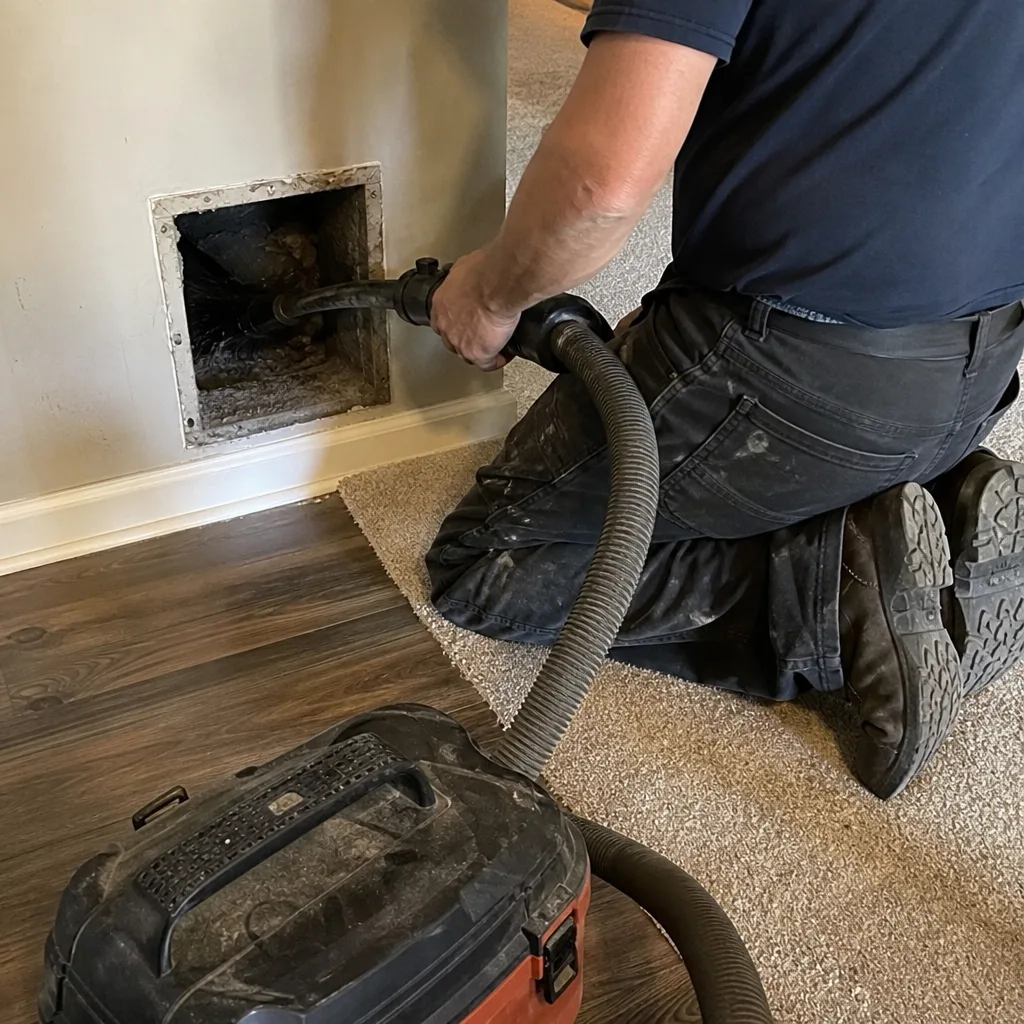 Before
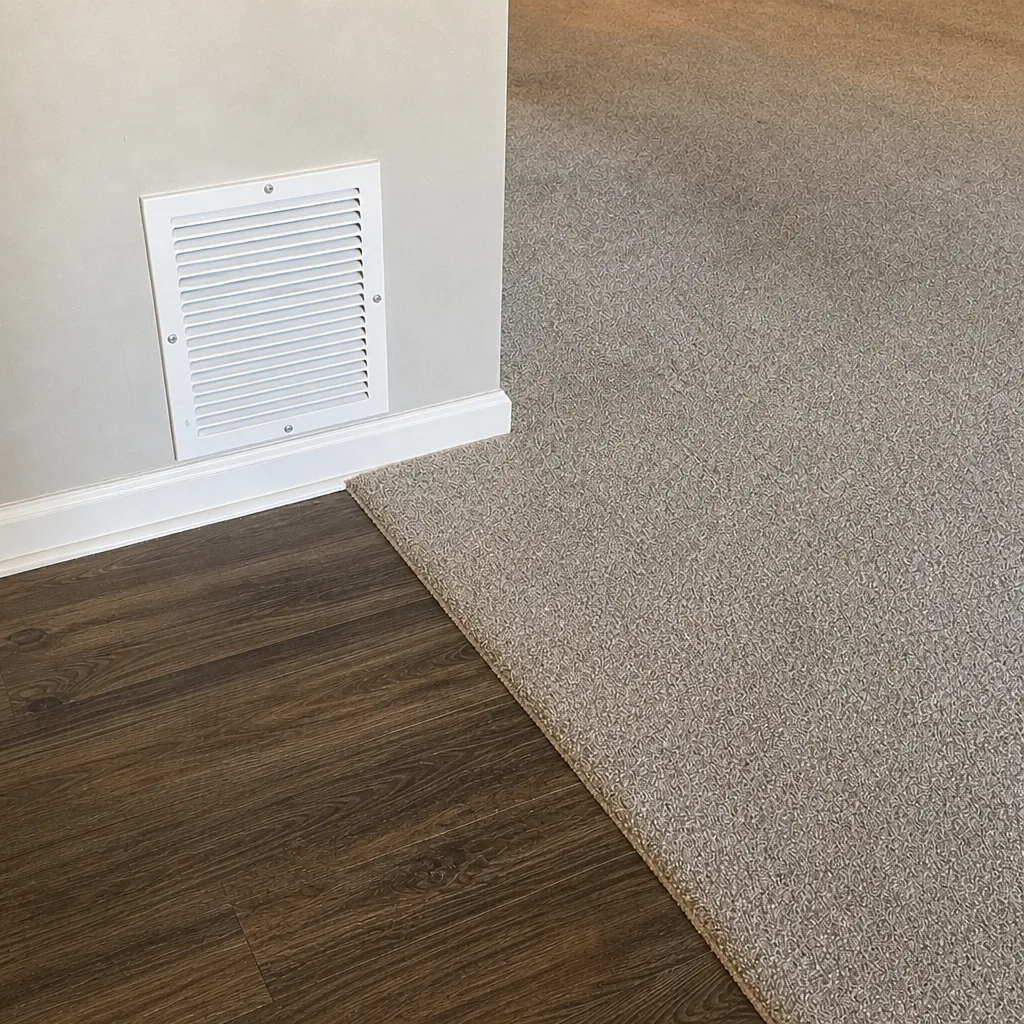 After
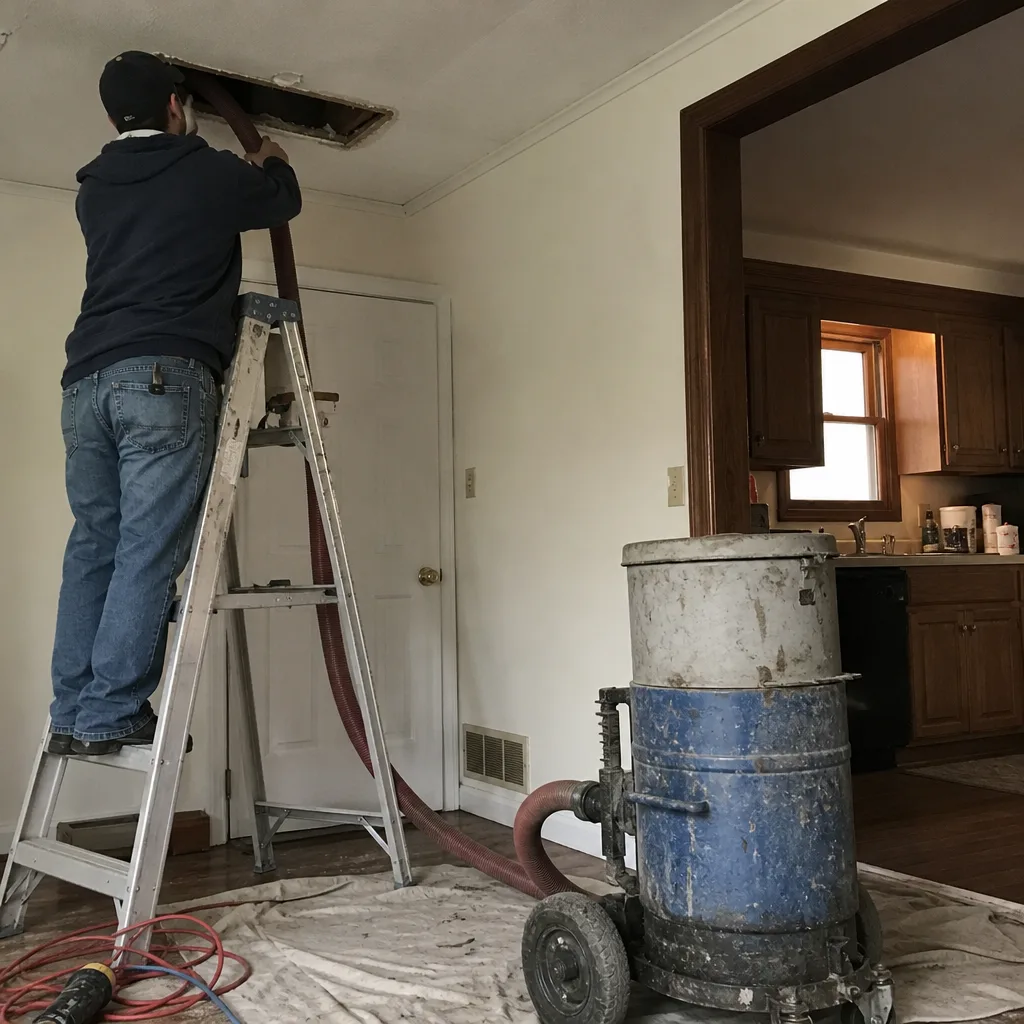 Before
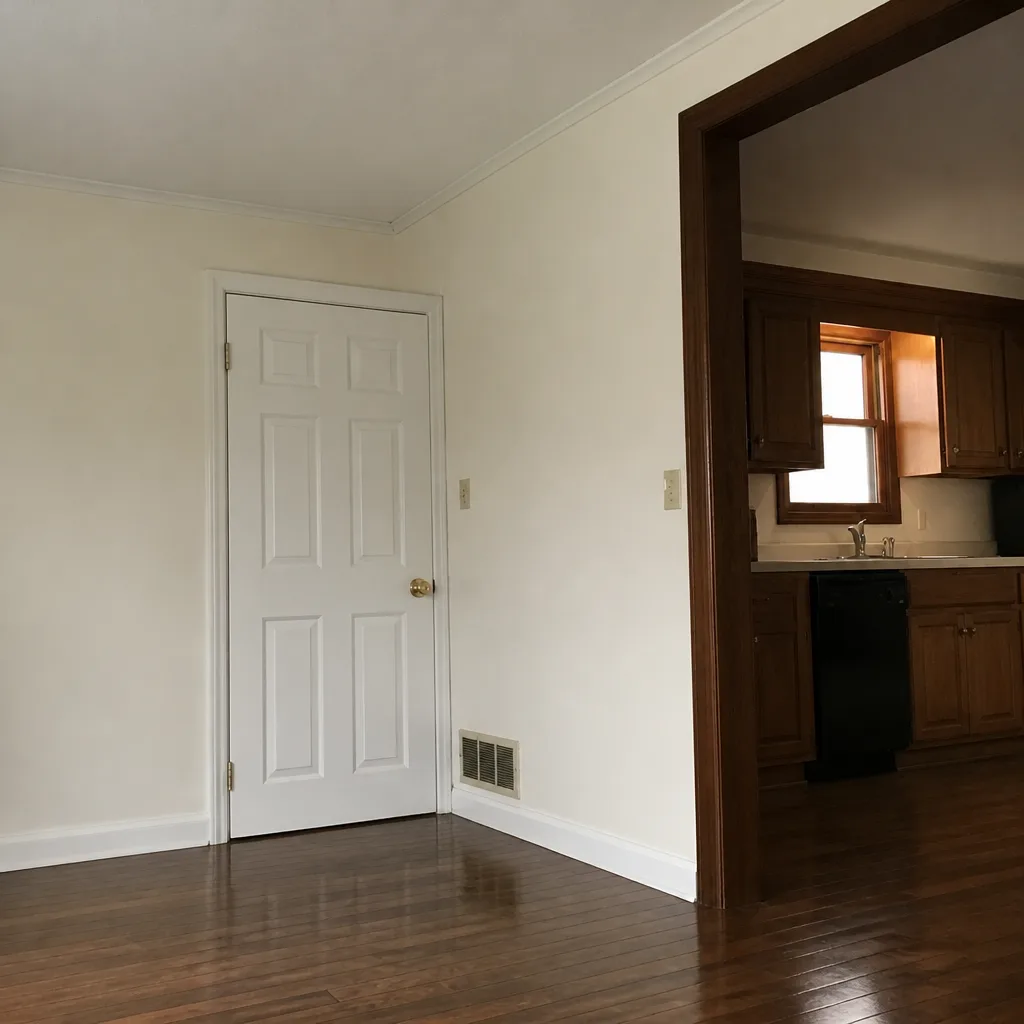 After
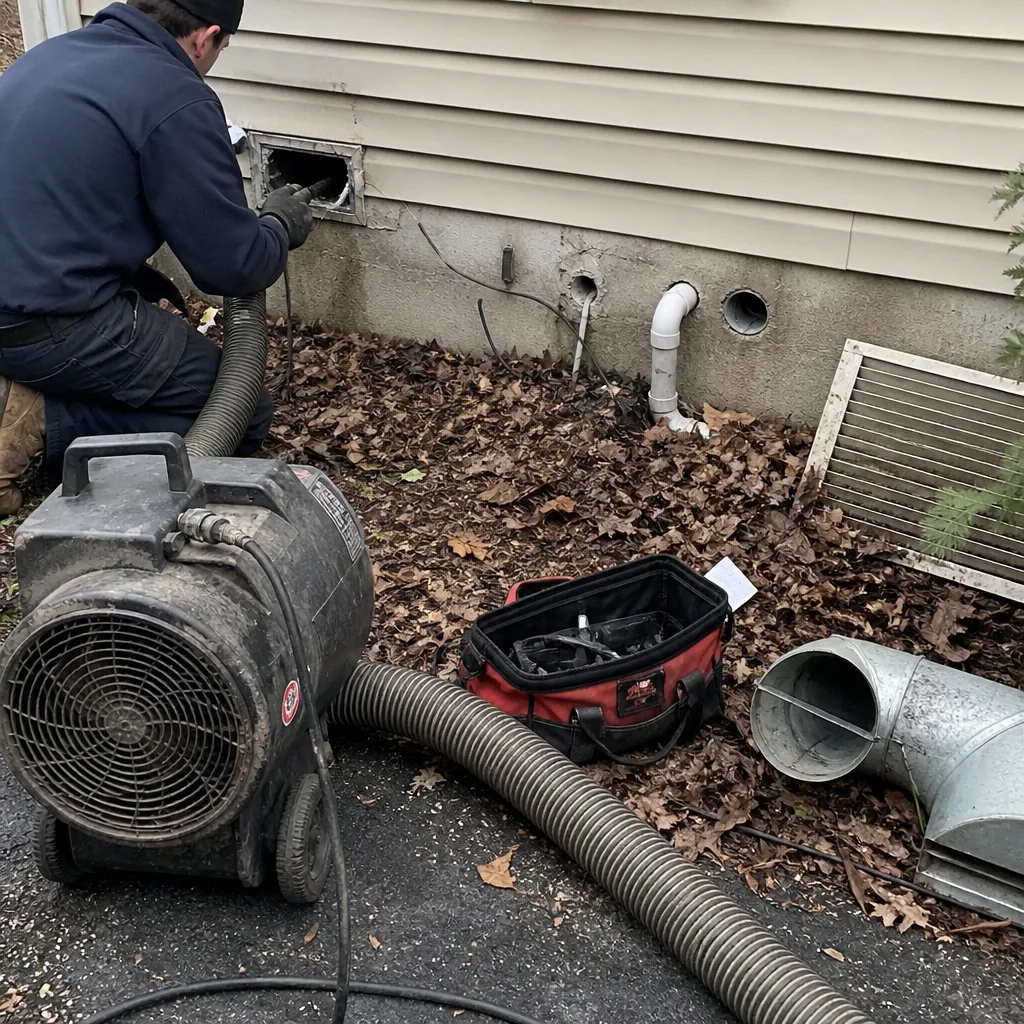 Before
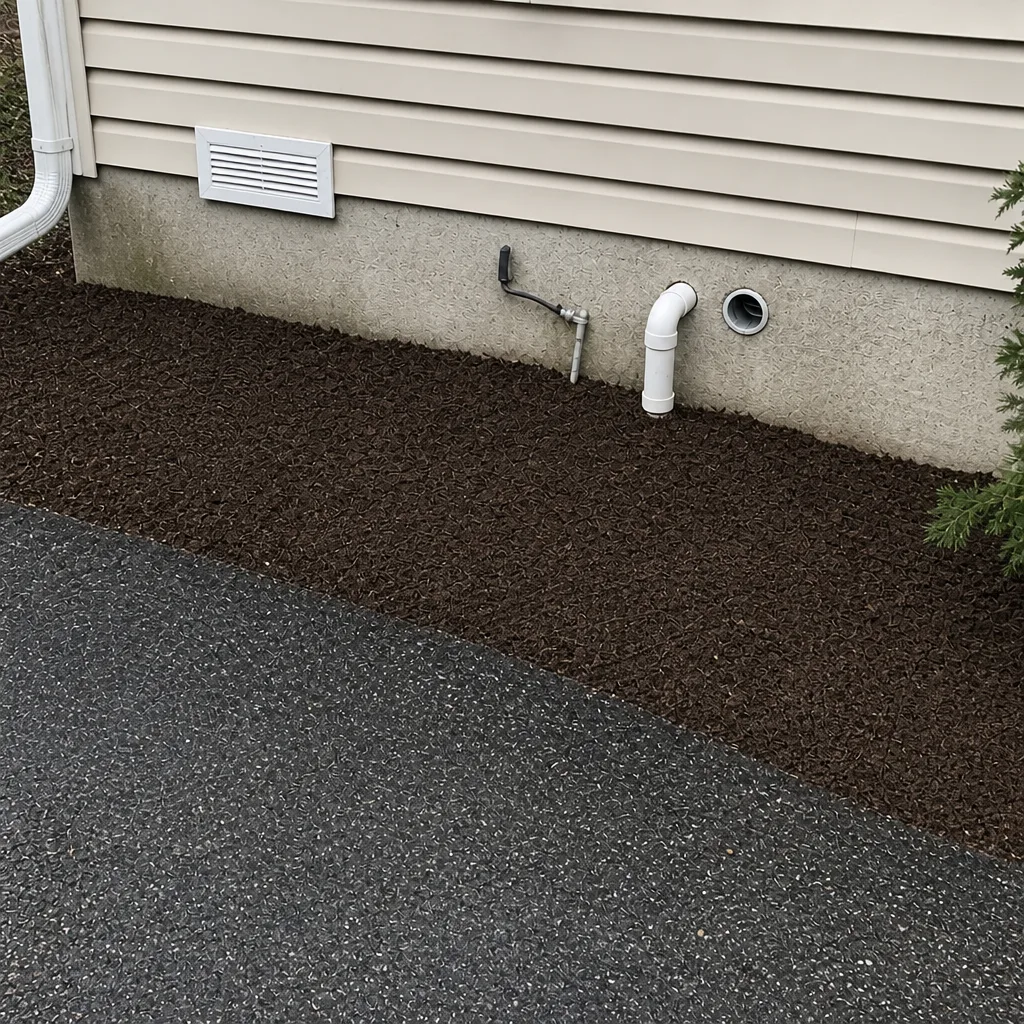 After
When to Call a Professional
If any of the following applies, a professional cleaning is the right call:
- The system has never been professionally cleaned, or you don’t know its history.
- Your home was recently renovated, or a prior owner ran a major remodel while living in the home.
- Anyone in the household has asthma, allergies, or other respiratory sensitivities.
- You can see visible debris at a register, or there’s a musty smell at a return.
- Your dryer vent runs through walls, has multiple elbows, or terminates at the roof.
- An inspection turns up something – a disconnected joint, collapsed flex, biological growth – that needs repair or a decision about remediation.
- You’re managing rental property and need documented duct condition for a unit turnover.
Duct Cleaning Carmel offers free estimates in Carmel – call (844) 834-5334. We answer 24/7. Fast dispatch from 7am to 7pm, Sunday through Friday. The price is a flat per-system price agreed before any work begins, so there’s no surprise invoice after the fact.
Frequently Asked Questions
It depends on the size of the system, the number of runs, and whether repair work is needed, but a typical cleaning for a single-family home runs a few hundred dollars and up, and the written estimate after inspection sets the final price. We don’t quote per-vent entry prices because that model is what drives the common bait-and-switch complaints in this trade. Call (844) 834-5334 for an exact quote – estimates are free.
Low quotes are usually per-vent entry prices that grow once the technician is on site, or they reflect equipment that can’t do source removal – a shop vac and a brush, not a Rotobrush or Nikro system with HEPA containment. The honest comparison isn’t the headline number, it’s the whole-system price after inspection. Call (844) 834-5334 and we’ll walk you through what a whole-system estimate looks like.
Ask for before-and-after photos of your own ducts, taken at the same register locations. Without that documentation you’re taking the technician’s word for it, and it’s the easiest thing in this trade to fake. We document before and after as standard practice on every job. Call (844) 834-5334 to see what that looks like for your system.
For most homes, every three to five years is a reasonable baseline, but it depends on pets, occupancy, renovation history, and whether anyone in the house has respiratory concerns. Homes with pets or recent renovations need it more often; a system that’s been clean and well-maintained goes longer. Call (844) 834-5334 if you’re not sure where your system falls.
Generally, no – a shop vac can’t produce enough sustained negative pressure to move debris from the far end of a duct system, and it has no HEPA containment on the exhaust, so fine particulate comes back into the room. You can clean registers and change filters yourself; anything beyond that needs real equipment. Call (844) 834-5334 for a free estimate if you want a professional assessment first.
Yes, they’re separate systems and separate fire-safety concerns. Air duct cleaning doesn’t touch the dryer vent, and dryer vent cleaning doesn’t touch the supply ducts. If it’s been a while since the dryer vent was serviced, that’s worth doing whether or not the ducts are on the list. Call (844) 834-5334 and we can scope both together.
The Bottom Line
DIY duct cleaning is a question of equipment physics, not effort. A consumer kit can’t generate the negative pressure or capture the fine particulate that source removal requires, and in older Carmel homes it can damage brittle duct board and aging flex connections that a professional would handle differently. The DIY tasks that genuinely help are register cleaning, filter maintenance, and brushing short accessible dryer vent runs. Everything past that – the first cleaning of an unknown system, anything after a renovation, anything in a home with respiratory concerns – belongs with professional equipment and a documented inspection. When you’re ready, call (844) 834-5334 for a free estimate.
Written by the team at Duct Cleaning Carmel.