
Last updated November 14, 2026
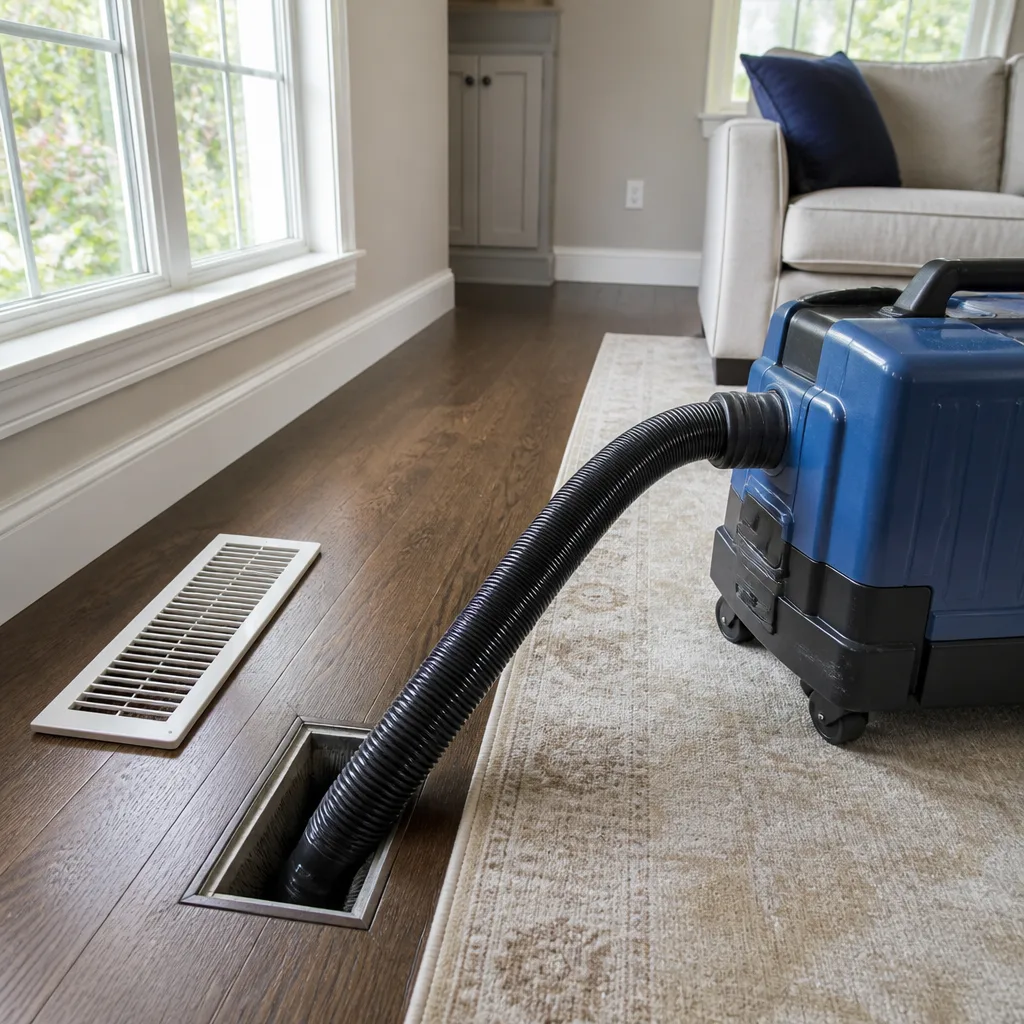 Whole-home duct cleaning
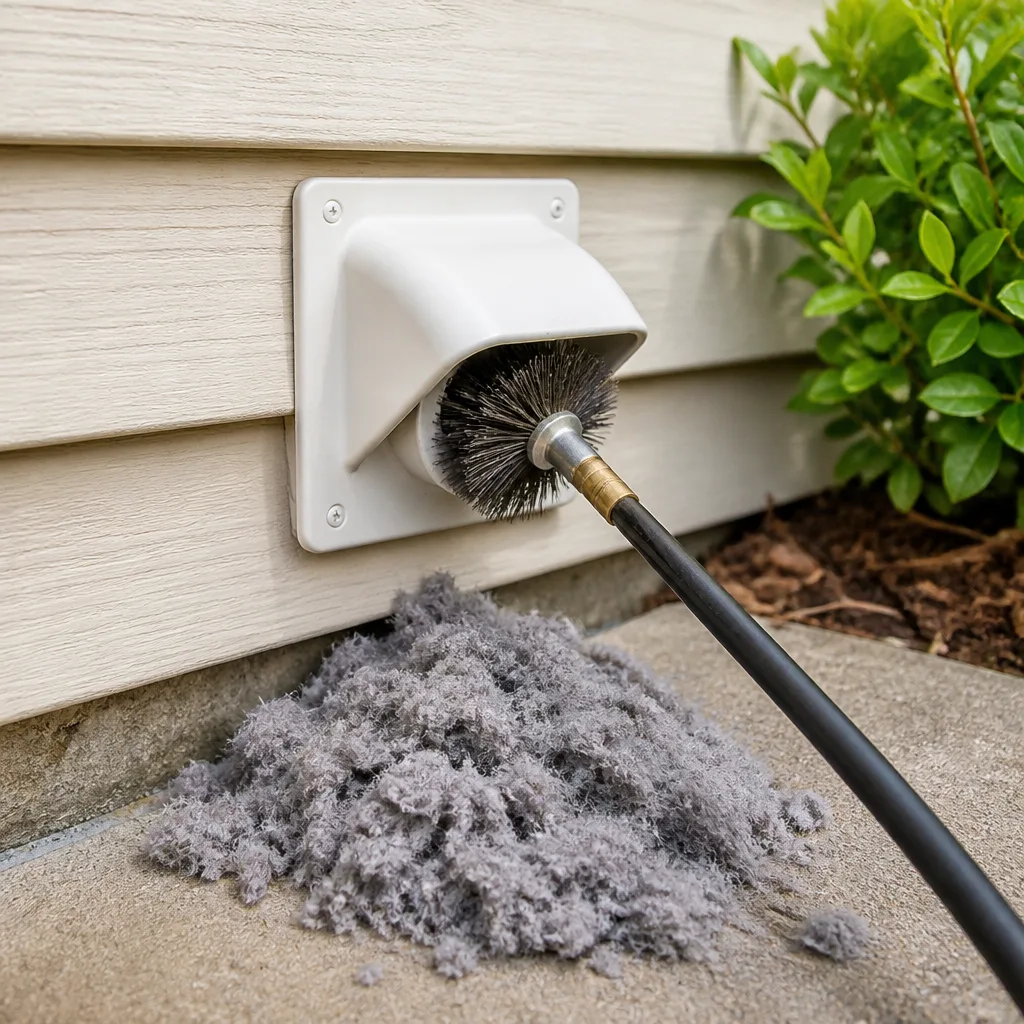 Dryer vent cleaning
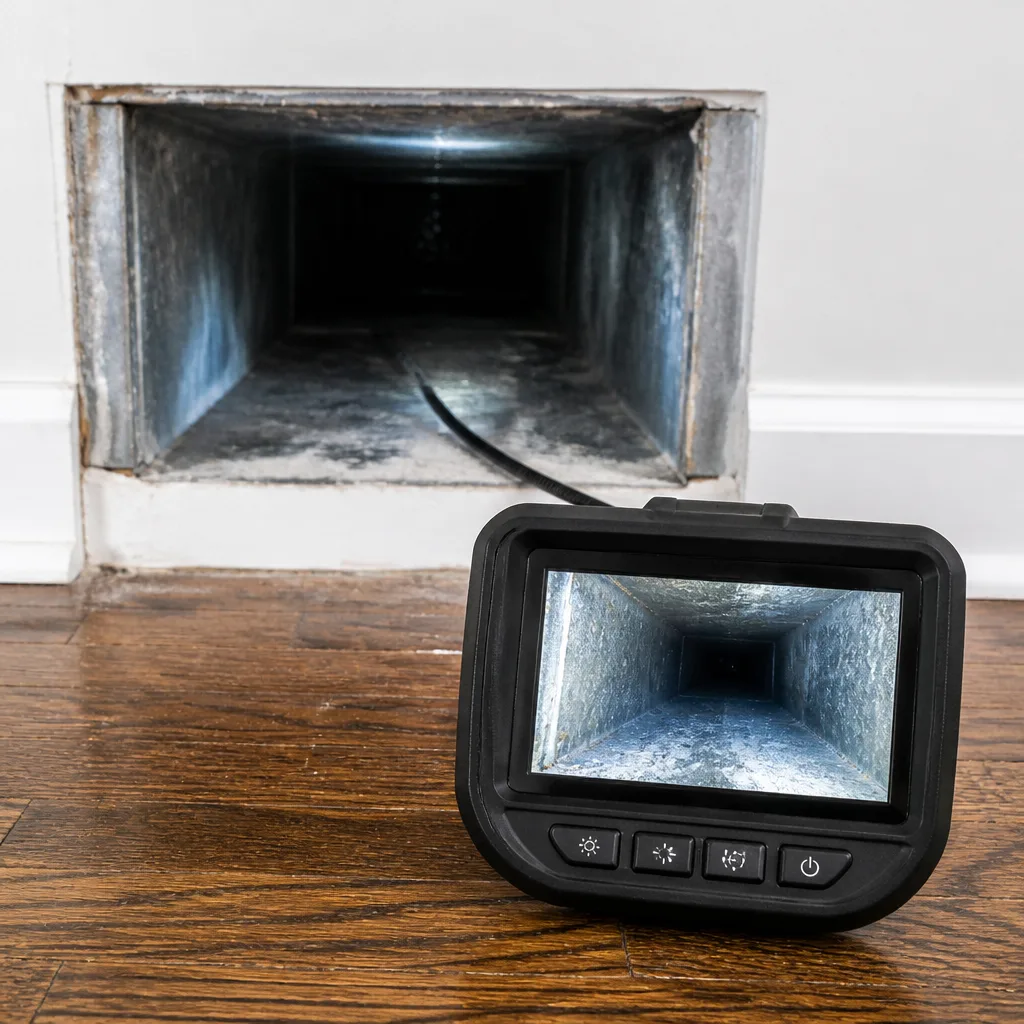 Camera inspection
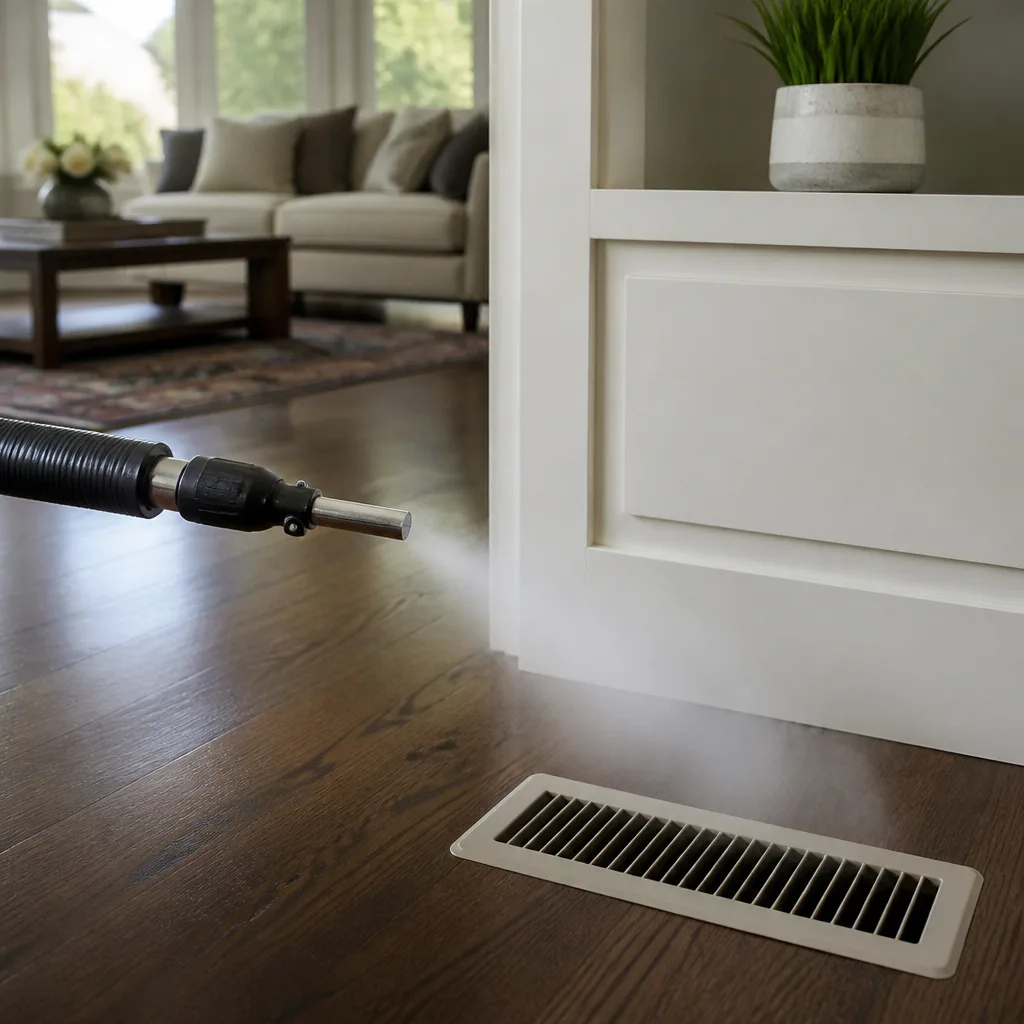 Sanitizing & deodorizing
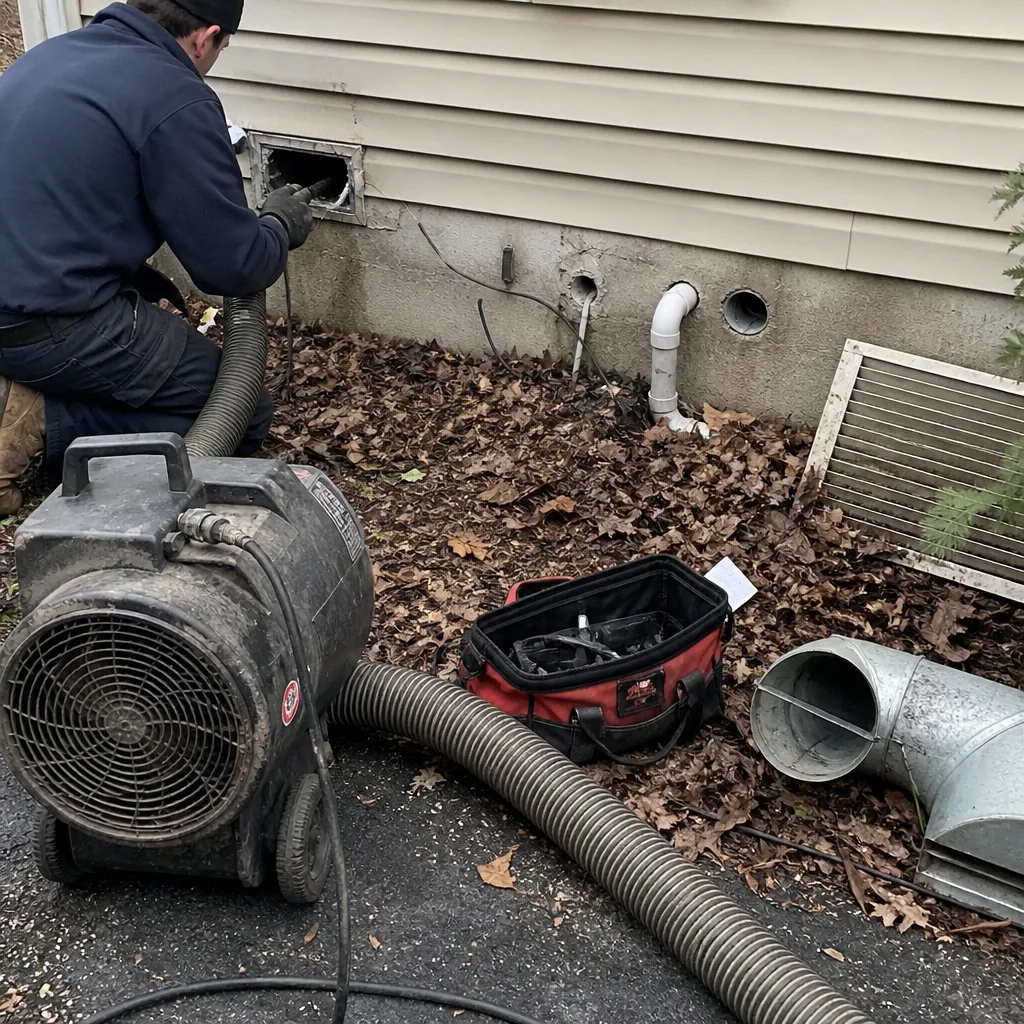
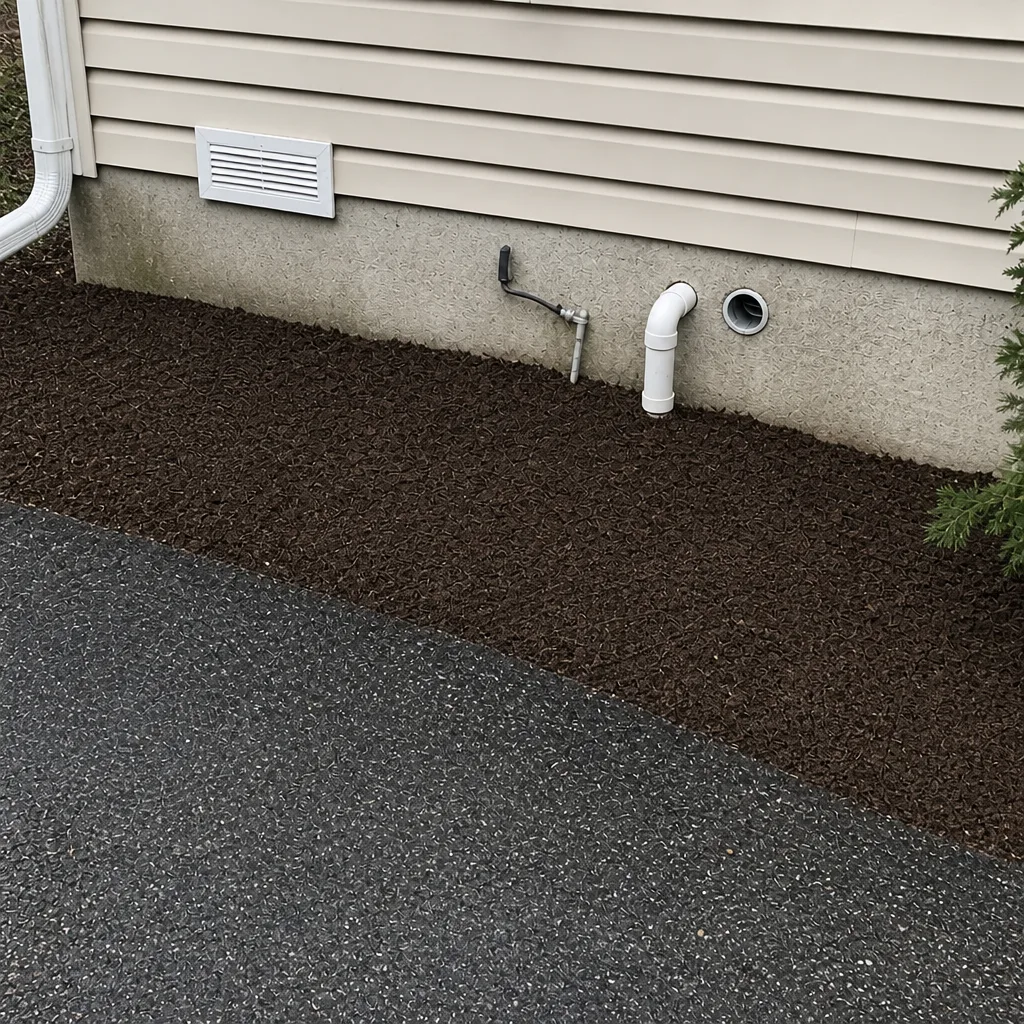
Whole-system duct and dryer vent check with before-and-after photos - you see exactly what came out of your vents
That "$99 whole-house special" is a bait ad - the real number appears once they are in your hallway, or the "clean" is a shop-vac at the register. We photograph the inside of your ducts before and after instead.
Air Duct Cleaning Emergency Preparedness Guide for Carmel Homes
Most Carmel homeowners who plan for emergencies plan for the wrong ones. They think about a sump pump failing during a spring storm or a tree limb coming down on the roof. Those are real concerns here, but they’re visible and immediate. The contamination events that follow a fire, a burst pipe, or a major remodel are slower and quieter. They live inside a system you can’t see. Ask a homeowner what they’d do if a kitchen fire sent smoke through every supply register in the house, and most will say “call insurance” and then stop. That answer covers the structure. It doesn’t cover the ducts. This guide walks through the three emergencies that put your air system at risk, what each one actually requires, and how to have a documented baseline ready before anything happens.
Quick Answer
After a fire, flood, or renovation, your air ducts can hold soot, moisture, and fine debris long after the visible cleanup is done, and running the HVAC system before the ducts are cleaned spreads that contamination to every room. The right response depends on the event: fire calls for documented soot and odor removal, water intrusion calls for evaluating whether ductwork below the water line must be replaced, and renovation calls for a scheduled full-system cleaning after the dust settles. Professional-grade equipment rated for contaminant capture, like the Abatement Technologies systems we use, is what separates a real emergency response from a standard cleaning.
Styles & brands we work with
- Whole-home duct cleaning
- Dryer vent cleaning
- Camera inspection
- Sanitizing & deodorizing
Table of Contents
- Why Carmel Homeowners Rarely Plan for Duct Contamination
- What Happens to Your Ducts After a Fire
- Water Intrusion: When Ductwork Can Be Cleaned and When It Can’t
- Post-Renovation Cleaning as a Planned Emergency
- What Emergency-Tier Equipment Actually Does
- Building Your Duct Baseline Before Anything Happens
- What Insurers Want to See After a Contamination Event
- A Step-by-Step Response Plan for Carmel Homes
Why Carmel Homeowners Rarely Plan for Duct Contamination
Carmel sits well north of Indianapolis in Hamilton County, where the seasons are sharp and the housing stock ranges from older established neighborhoods to brand-new construction on the city’s edges. Storm preparedness gets a lot of attention here, and reasonably so. But the duct system gets almost none. That’s an odd gap, because in many of the situations homeowners fear most, the ducts are where the lasting damage hides.
We think the blind spot comes from how invisible the problem is. A flooded basement announces itself. A kitchen fire leaves visible charring. Duct contamination doesn’t. After a small fire, the rooms where flames never reached can still smell of smoke weeks later because combustion byproducts settled into the ductwork and insulation. After a water intrusion, dampness inside a duct run can support mold growth without any obvious sign in the living space. And after a renovation, fine drywall dust and insulation fibers settle into the return plenum and spread every time the blower kicks on.
There’s a second reason homeowners in Carmel don’t plan for this. The duct system is one of the few parts of a house that most people never look at. You see your furnace filter. You don’t see the trunk lines, the branch runs, the return ducts, or the evaporator coil housing where debris collects. Because it’s out of sight, it gets treated as out of mind until a smell or a health symptom forces the issue.
There’s good news buried in all this. Duct contamination after an emergency is manageable, and in most cases it’s preventable from getting worse, as long as you don’t run the system first. The rest of this guide shows you what to do for each type of event, how to document what you have, and how air duct cleaning fits into an insurance claim in Carmel.
What Happens to Your Ducts After a Fire
After a fire, the fire department leaves, the insurance adjuster takes photos, and the visible damage gets boarded up or cleaned. Then someone turns the HVAC system back on to check whether it still works. That single step is where small smoke damage becomes whole-house smoke damage. Here’s why.
Combustion byproducts are extremely fine. Soot particles from a typical residential fire can be smaller than the dust your filter is designed to catch, and many of them are oily and acidic, which means they stick to surfaces and continue to cause damage until they’re physically removed. If the blower runs before the ducts are cleaned, those particles get pulled into the return system, pushed through the heat exchanger or evaporator coil, and distributed through every supply register in the house. Rooms that never saw smoke now have a coating of it on walls, furniture, and soft surfaces.
The correct sequence after a fire looks like this:
- Don’t run the HVAC system. Leave the thermostat off, or set to fan off, until the ducts are evaluated. This is the single most important step, and it’s the one most often missed.
- Get the fire report and any water damage documented together. Fires are usually fought with water, so many homes have both smoke and moisture damage.
- Have the ducts inspected and photographed before cleaning begins. This is the record your insurer needs to justify the cleaning cost.
- Clean with contaminant-control equipment, not a shop vacuum. Soot is hazardous to breathe and it resuspends easily. A HEPA-rated system captures it. A shop vac blows it back into the room.
- Replace the filter and consider a treatment after cleaning to neutralize lingering odor that has soaked into the duct and coil surfaces.
For many Carmel homes, the post-fire duct work is the step that gets overlooked until the smell comes back. It shouldn’t wait. If your home has been through a fire, call us and we’ll walk you through the sequence over the phone before anything else happens.
Water Intrusion: When Ductwork Can Be Cleaned and When It Can’t
Water and ducts are a harder problem than most homeowners realize, because the answer isn’t always “clean it.” Sometimes the answer is “replace it.” Getting this wrong can cost thousands and leave you with mold in a system you thought was fixed.
Here’s the general rule. Sheet metal ductwork that gets wet can often be cleaned and dried thoroughly, provided the water never reached the inside of the duct in a way that left standing moisture or contaminated the insulation wrap. Flexible ductwork is different. It has a corrugated plastic core and insulation that doesn’t dry well. Fiberglass ductboard is worse. Once those materials get saturated and stay wet, mold can begin to grow quickly, and cleaning doesn’t fully remove it from the material. Those sections usually need to be replaced.
Mold growth timeline, generally speaking: mold spores need moisture and a food source to colonize, and most building materials that stay wet will support visible growth within a matter of days. That means a leaky pipe dripping onto ductwork under a bathroom floor, or a washing machine hose failure in a first-floor laundry, can produce a mold problem in the ducts inside a week. In a basement or crawl space, groundwater intrusion or a failing sump during heavy spring rain can do the same thing.
What to do after water intrusion reaches your ductwork:
- Stop using the system immediately. Running it while duct insulation is wet pushes damp air and mold spores into your living space.
- Identify what got wet. Sheet metal can often be dried. Flexible duct and ductboard usually can’t be.
- Have the affected sections inspected before anyone cleans them. A technician needs to see how far the water traveled and whether the insulation is saturated.
- Replace what can’t be dried, clean what can, and document both. Your insurer will want proof of the decision.
- Address the leak source before the cleaning. Cleaning ducts above a still-leaking pipe just resets the clock.
This is where our air duct cleaning and air duct repair capabilities matter. Most cleaners only clean. When we find a section that needs to come out and be replaced, we can handle that in the same visit instead of deferring it to a second contractor and a second schedule. For Carmel homeowners, that saves time and it saves the difficulty of coordinating two trades on one claim.
Post-Renovation Cleaning as a Planned Emergency
A remodel isn’t an emergency in the usual sense. Nobody called 911. But from a duct system’s point of view, a major renovation is a contamination event, and it’s the most predictable one of the three. That’s why we call it a planned emergency. You know it’s coming. You can schedule the response in advance.
What actually ends up in your ducts after a renovation is worse than most people expect. Drywall dust is extremely fine and travels on air currents. It coats the inside of return plenums and settles in branch lines. Insulation fibers from walls opened up for wiring or plumbing get pulled into the system through return grilles. Construction debris like sawdust and small chunks of material can fall into open registers left uncovered during the work. Some contractors cover registers, some don’t, and in nearly every case some of this migrates into the ductwork anyway.
Left in place, that debris does two things. It reduces airflow through the system, which makes the furnace and air conditioner work harder. It also gets distributed into the home every time the system runs, which is a real concern if you have allergy or asthma sensitivities, or if the remodel is happening before you move in.
The right timing for post-renovation cleaning is after the significant dust-generating work is done, including drywall sanding and floor refinishing, but before the home is fully furnished and occupied. That way the cleaning captures everything at once rather than clearing half the load and leaving the rest for later. If you’ve recently moved into a Carmel property that was renovated before you bought it, the same logic applies. You don’t know what’s in those ducts, and a full-system cleaning is the way to find out.
We use professional Rotobrush and Nikro systems for this work, which agitate and extract debris rather than just pushing air around. For us, one call covers the cleaning, any repair needed, and a fresh filter and IAQ product install if you want to upgrade filtration afterward. If you’re also dealing with a dryer vent that’s been ignored during the remodel, that’s the right moment for dryer vent cleaning too, since lint buildup is its own fire risk and it’s the perfect time to knock it out.
What Emergency-Tier Equipment Actually Does
Not all duct cleaning is the same, and the difference isn’t marketing. It’s the equipment. Standard cleaning with a consumer-grade vacuum and a brush can remove visible dust from the parts of a duct a technician can reach. It cannot reliably capture the fine, hazardous particles that make post-fire, post-flood, and post-renovation cleaning fundamentally different work.
Here’s how we think about the equipment tiers.
Consumer and Light Commercial Equipment
Shop vacuums and consumer-grade duct cleaning vacuums are built for light debris. They have limited filtration and they can resuspend fine particles into the room as they work. They’re not wrong for a very light cleaning on a modest system. They’re the wrong tool for a contamination event.
Professional Duct Cleaning Systems
The Rotobrush and Nikro systems we use are professional-grade. They combine agitation (to break debris loose from duct walls) with high-volume negative pressure extraction. They’re the same class of equipment that commercial and industrial contractors rely on, and they get the job done on standard residential systems without stirring contaminants into living space.
Contaminant-Control Equipment
This is the tier that makes the real difference in emergency work. Abatement Technologies equipment is engineered for contaminant capture at HEPA level. During post-fire or post-flood cleaning, that filtration is what keeps soot and mold spores contained and out of the air you’re about to breathe. Basic blow-and-go operations don’t have this capability, and if they tell you they do, ask to see the equipment.
After cleaning, if you want to improve ongoing filtration and cut down on future buildup, we also handle Honeywell and Aprilaire air quality products, and Guardsman protective treatments can extend how long the ducts stay clean. That end-of-visit upgrade is where cleaning becomes an ongoing part of your air system management rather than a one-off.
Our technicians have up to 12 years of experience with this equipment. Knowing which tier a job calls for is a big part of that experience.
Building Your Duct Baseline Before Anything Happens
The single highest-value thing you can do as a Carmel homeowner is to have a documented baseline of your duct system before you need it. When a fire or a flood happens, the weeks after tend to be chaotic. Having a clear record of what the system looked like beforehand makes an insurance claim easier and protects you from disputes over what was and wasn’t pre-existing.
Here’s what to gather, ideally in a single folder, physical or digital:
- System layout. A simple sketch marking where the main trunk, branch runs, and returns are. If you have a mechanical drawing from your home’s construction, include it.
- Register count and locations. A list of supply and return registers by room. Photographs of each register grille are even better.
- Last cleaning date and provider. When the ducts were last cleaned and by whom. If they’ve never been cleaned, note that.
- Filter type and size. The filter size and the filter MERV rating you use.
- Equipment on file. Photos of the furnace, air handler, and any IAQ equipment (a Honeywell or Aprilaire filter cabinet, for example).
- Manufacturer documentation. Any manuals for air quality equipment that was installed with the original system.
If you haven’t had a cleaning in a while, a full-system cleaning is a good moment to capture this baseline. Photos before and after give you a documented starting point. Our team takes before-and-after photographs of the ducts during every visit, so you always have a current record of what was done.
This is also worth doing if you own or manage rental property in Carmel. A documented baseline protects you at turnover and if a tenant reports a smoke or mold issue. Property managers tend to find the document worth more than the cleanup itself.
What Insurers Want to See After a Contamination Event
Insurance claims for duct cleaning after a fire or flood hinge on documentation, not on assumption. An insurer is going to ask three questions. What was damaged, how did the event cause it, and what did the repair actually involve. Your job is to be able to answer all three with records.
The documentation typically expected includes:
- Pre-event records. The baseline described in the last section is your best defense against any argument that the ducts were already damaged.
- Event documentation. Fire report, water damage documentation, photographs of the damage before any cleaning begins.
- Professional inspection findings. A written description of what was found in the ducts and any recommendation to replace versus clean specific sections.
- Before-and-after photographs. These are your proof the work was done and it was done where the contamination was.
- The cleaning invoice, itemized. Services performed, equipment used, and any repair completed.
One thing to know: the language of a standard homeowner policy is not written with duct cleaning in mind, and coverage can vary. If your policy covers smoke damage to the structure, that usually includes the HVAC system, but the exact scope depends on the policy. We can work with your insurer on the documentation, and if you’re unsure where things stand, that conversation is usually better had with your agent early rather than after the work is done.
If you’re in Carmel and you’ve had a fire or water event, reach out. We can inspect the system, photograph what we find, and give you a written scope before anyone touches the ducts. The cleaning is the easy part. Getting the documentation right is what protects you.
A Step-by-Step Response Plan for Carmel Homes
The clearest thing we can leave you with is the sequence. Different events call for different details, but the order of operations stays the same across all three. Keep this in mind and you’ll avoid the most common mistake, which is turning the system back on before you’ve dealt with the ducts.
If a Fire Just Happened
- Get everyone out, call 911, wait for the fire department to clear the home.
- Do not turn on the HVAC system until the ducts are evaluated. This one step prevents the worst of the spread.
- Contact your insurer and file the claim the same week.
- Call us to inspect and document the duct system before any cleaning.
- After cleaning, replace the filter and consider a Guardsman treatment to neutralize residual odor.
If Water Reached the Ducts
- Shut down the HVAC system and any equipment in the affected area.
- Stop the source of water if possible, and document what got wet.
- Arrange for a professional evaluation of flexible duct and ductboard sections first, since those are the most likely to need replacement.
- Replace what can’t be dried, clean and dry what can, and document both.
- Replace the filter and confirm dry conditions before turning the system back on.
If You’ve Just Finished (or Are Finishing) a Renovation
- Wait until drywall sanding and floor finishing are complete.
- Schedule a full-system cleaning before the home is furnished and occupied.
- Consider cleaning the dryer vent at the same time.
- If any IAQ upgrade is planned (Honeywell or Aprilaire filtration, for example), install it after the cleaning.
If you’re not sure what category your situation falls in, call (844) 834-5334. We answer 24/7, and a quick conversation over the phone usually clarifies whether you’re looking at a cleaning or a repair-and-replace situation. Estimates are free.
Common Mistakes to Avoid
- Running the HVAC system after a fire before the ducts are cleaned. This is the single most damaging mistake we see. Every cycle of the blower spreads combustion byproducts further into the home.
- Treating a flooded flexible duct run with cleaning instead of replacement. Flexible duct that’s been saturated usually can’t be dried thoroughly, and mold will return if the material stays damp.
- Skipping the post-renovation cleaning because the house “looks clean.” Drywall dust and insulation fibers settle into the return plenum where you can’t see them and get distributed with every cycle.
- Letting a contractor with a shop vac “handle it.” Fine soot and mold spores need HEPA-level contaminant capture, and standard equipment turns an emergency cleaning into a contamination event of its own.
- Not documenting the baseline before anything happens. Without pre-event photos and a record of the last cleaning date, insurance adjusters have nothing to compare against.
- Forgetting the dryer vent in the middle of a bigger job. Dryer vent lint is a real fire risk, and it’s easy to leave until “later” while the ducts are being handled.
- Filing the claim without telling the insurer the HVAC system was affected. Duct cleaning after a fire or flood is usually part of a structure claim, but only if it’s actually on the claim.
See the difference
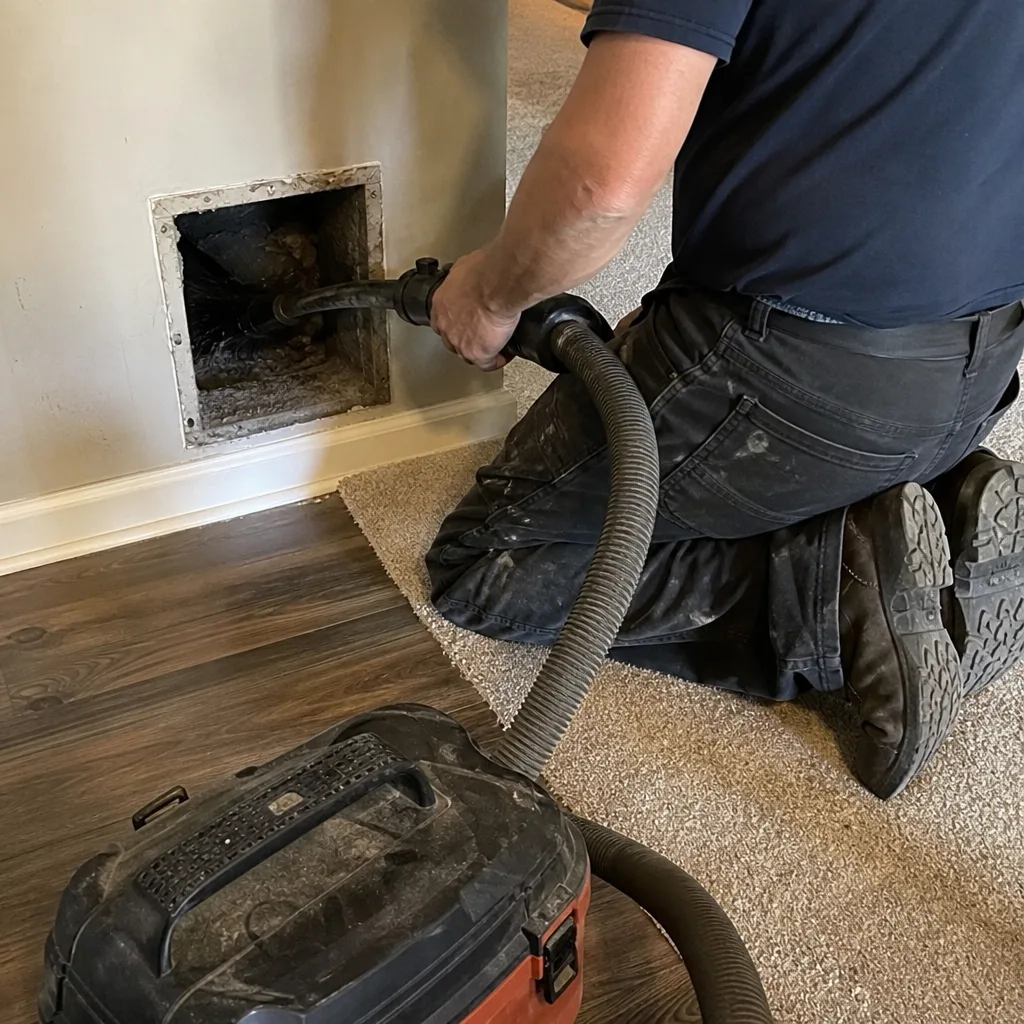 Before
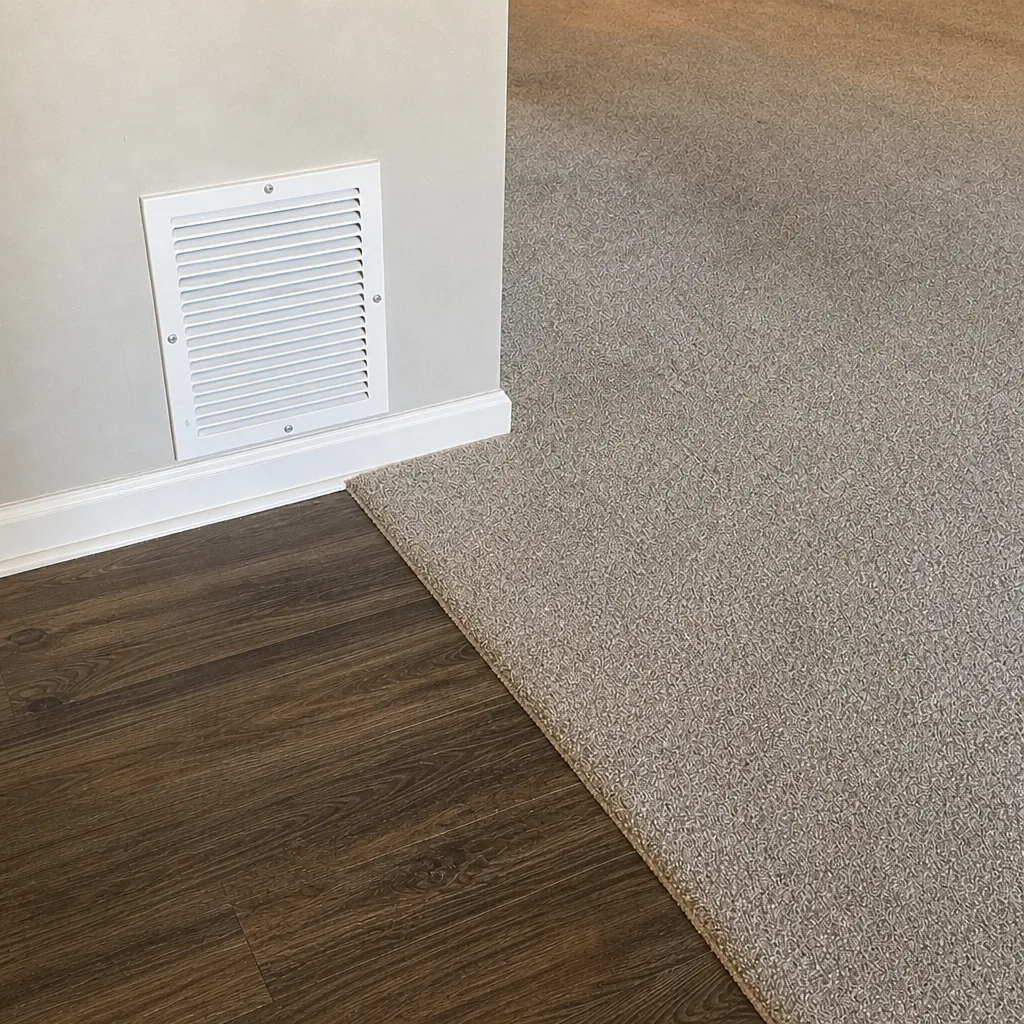 After
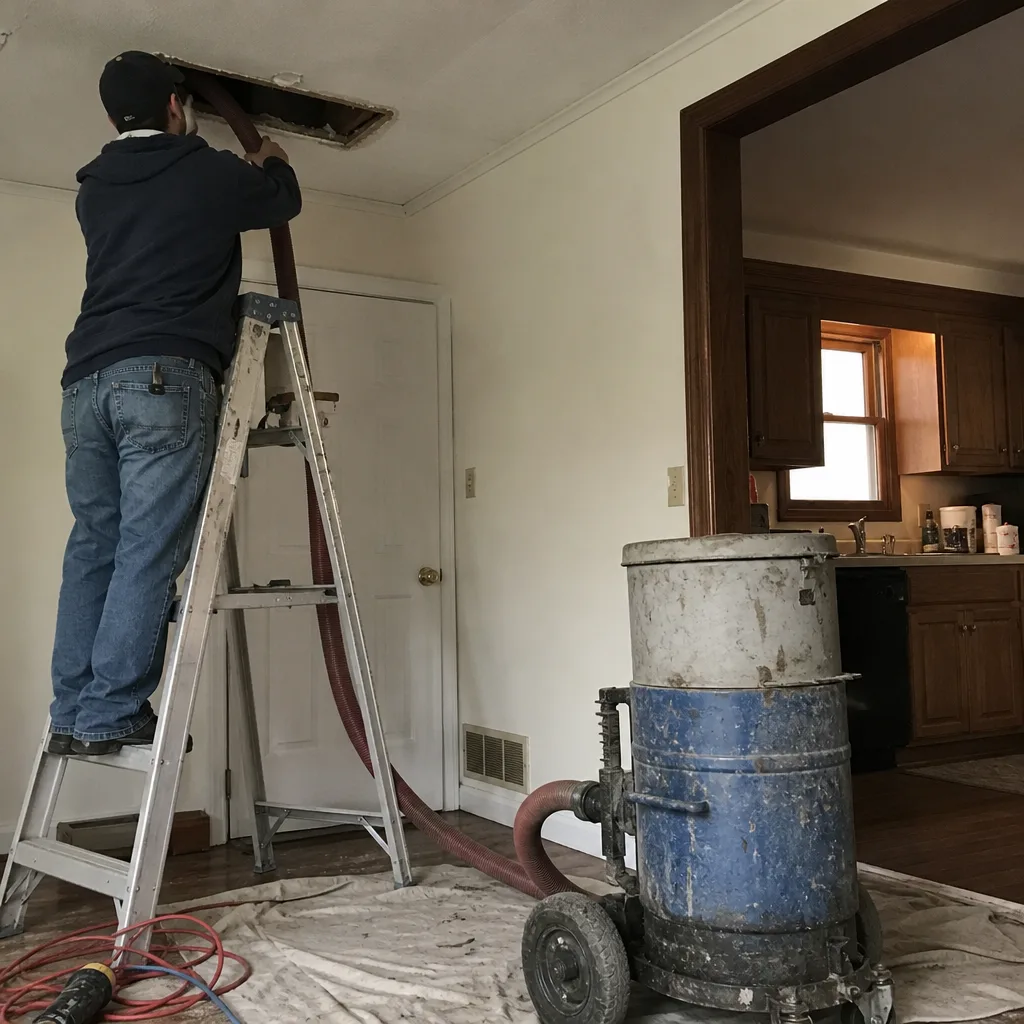 Before
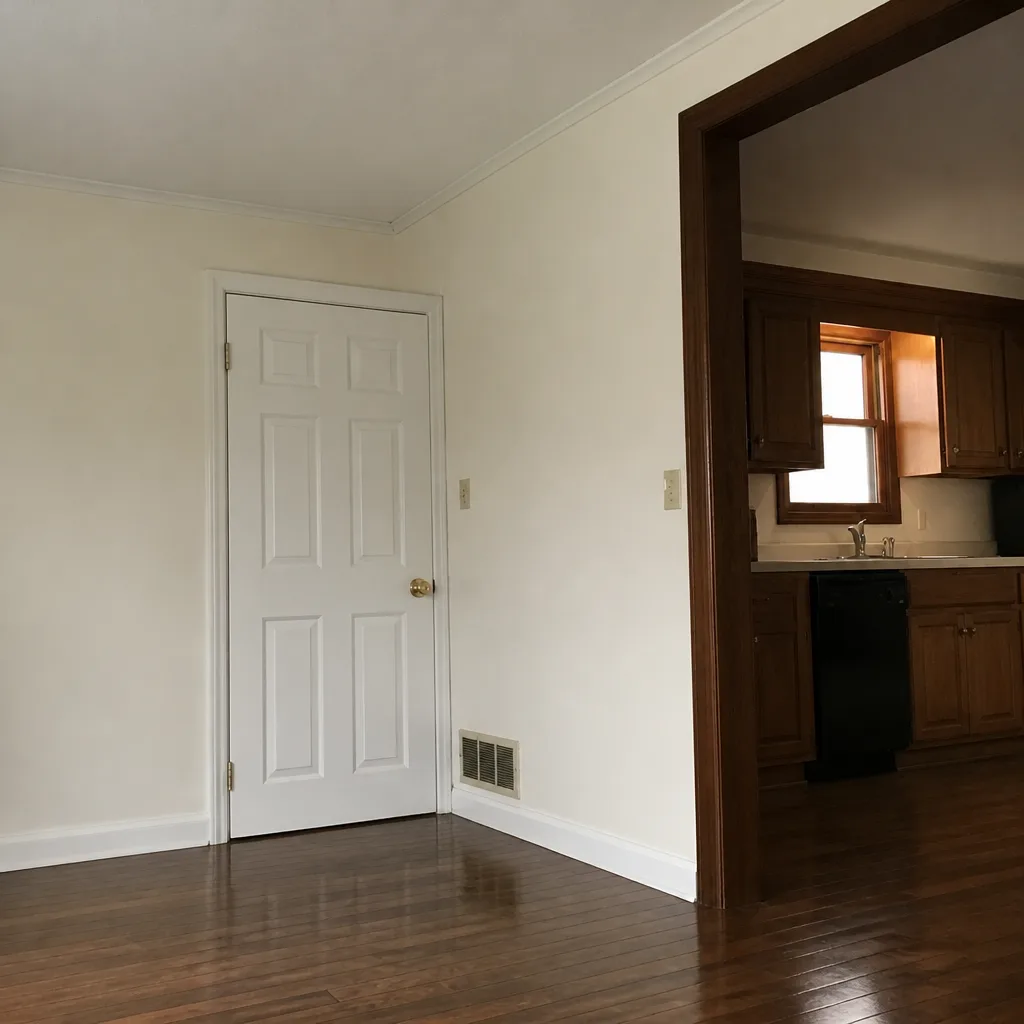 After
 Before
 After
When to Call a Professional
Some duct work can wait. Emergency-related duct work shouldn’t. Call a professional if you’ve had a fire of any size, if water reached the ducts (even if it seems to have dried), if you’re finishing a renovation that generated heavy dust, if you smell smoke, must, or dampness coming from your registers, if you notice visible mold around grilles, or if someone in the home has developed respiratory symptoms that started after one of these events. A trained eye a few days after the fact is worth a lot more than a shop vac on the spot. Duct Cleaning Carmel offers free estimates in Carmel, and we can inspect, document, and give you a written scope before anything gets cleaned. Call (844) 834-5334. We answer 24/7. Fast dispatch from 7am to 7pm, Sunday through Friday.
Frequently Asked Questions
As soon as the fire department and insurance adjuster have cleared the home, and definitely before the HVAC system is turned back on. Soot is acidic and can continue to cause damage to surfaces while it sits. The earlier the ducts are cleaned, the less chance combustion byproducts have to spread through the living space. Call (844) 834-5334 for an exact quote.
It depends on the material. Sheet metal ductwork can often be cleaned and dried thoroughly. Flexible duct and fiberglass ductboard usually need to be replaced if they’ve been saturated because they don’t dry completely and can support mold growth. An in-person inspection is the only way to know for sure. Call (844) 834-5334 to schedule one.
Yes, and it’s the most predictable of all duct cleaning needs. Drywall dust, insulation fibers, and construction debris settle in the return plenum and branch runs during a remodel. Even with registers taped off, fine dust migrates into the system. Schedule the cleaning after the dust-heavy work is done and before the home is fully furnished. Call (844) 834-5334 for an exact quote.
Often yes, if the ducts were affected by a covered peril like fire or water damage, but coverage varies by policy. The key is documentation: pre-event records, before-and-after photographs, and a written scope of the work. We can work with your insurer and provide the documentation they need. Call (844) 834-5334 to start the process.
Because soot and odor compounds settled into the ductwork and coil surfaces and weren’t fully removed during the initial cleanup. Every time the HVAC system runs, air passes over those residues and carries the smell into the home. A proper cleaning with contaminant-control equipment, followed by a treatment like Guardsman, is what removes the source. Call (844) 834-5334 for an assessment.
Build a baseline before anything happens. Document the duct layout, register locations, filter size, equipment photos, and the date of your last cleaning. That record makes an insurance claim far smoother after a fire or water event, and it protects you against disputes about pre-existing conditions. We photograph before and after every cleaning, so a routine visit is a natural time to start the file. Call (844) 834-5334 for details.
The Bottom Line
Fires, floods, and renovations all hit the duct system harder than most Carmel homeowners expect, and each one calls for a different response. Fire calls for documented soot removal with contaminant-capture equipment before the HVAC runs again. Water calls for evaluating whether the affected ductwork can be dried or must be replaced. Renovation calls for a scheduled cleaning timed to the end of the dust, before the home fills up. All three benefit from a documented baseline built ahead of time, and all three are easier to handle when you keep HVAC off until the ducts have been inspected. If your home is in Carmel and you’ve had any of these events, call (844) 834-5334. We answer 24/7. Fast dispatch from 7am to 7pm, Sunday through Friday. Estimates are free. Our team works throughout Carmel and the surrounding area, and we’re glad to inspect and document your system before anything else happens.
Written by the team at Duct Cleaning Carmel.