
Last updated November 14, 2026
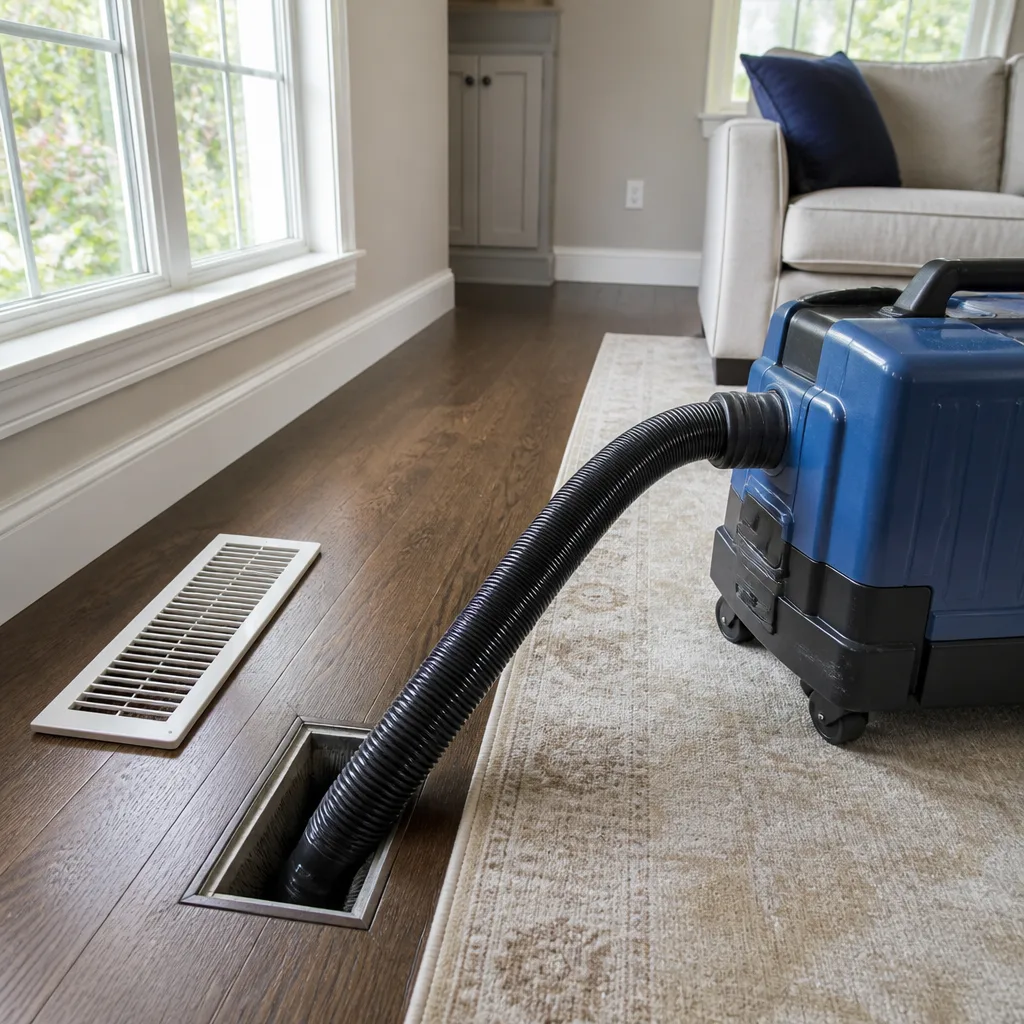 Whole-home duct cleaning
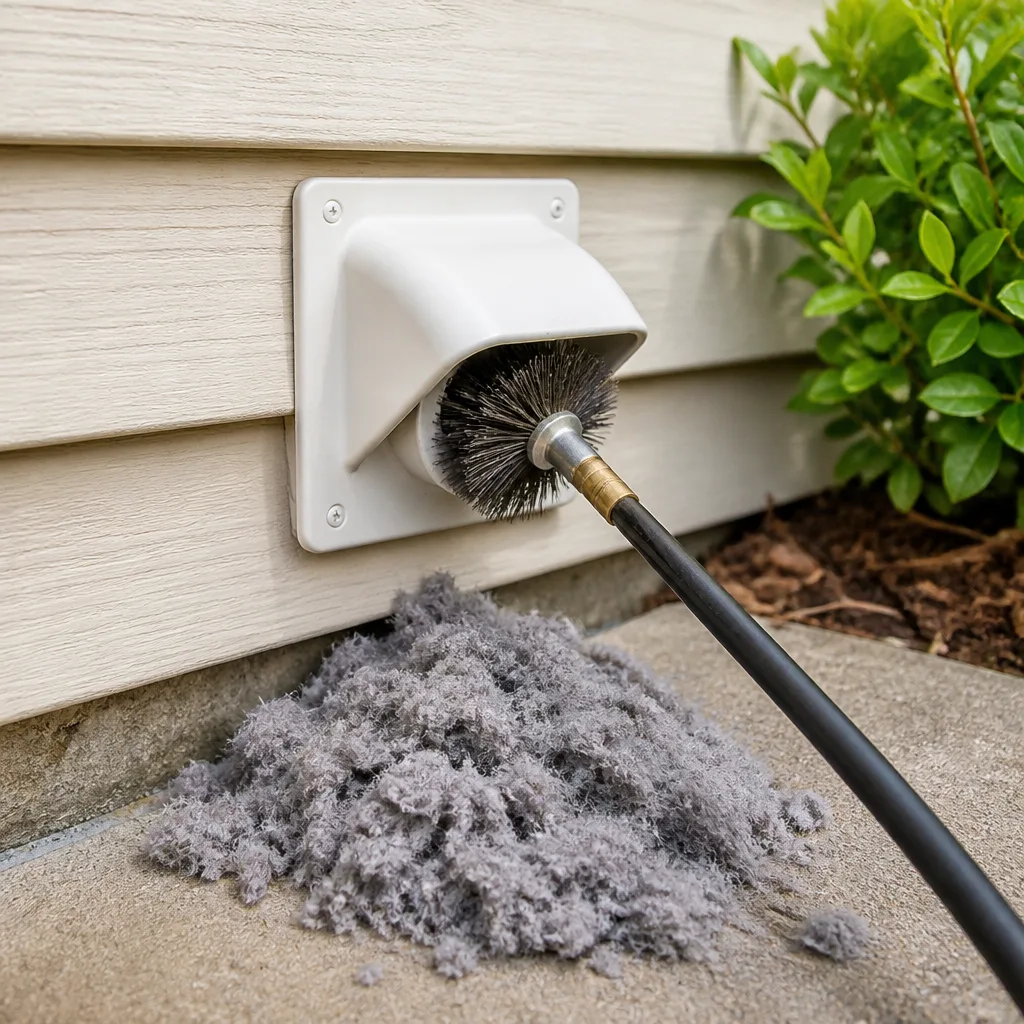 Dryer vent cleaning
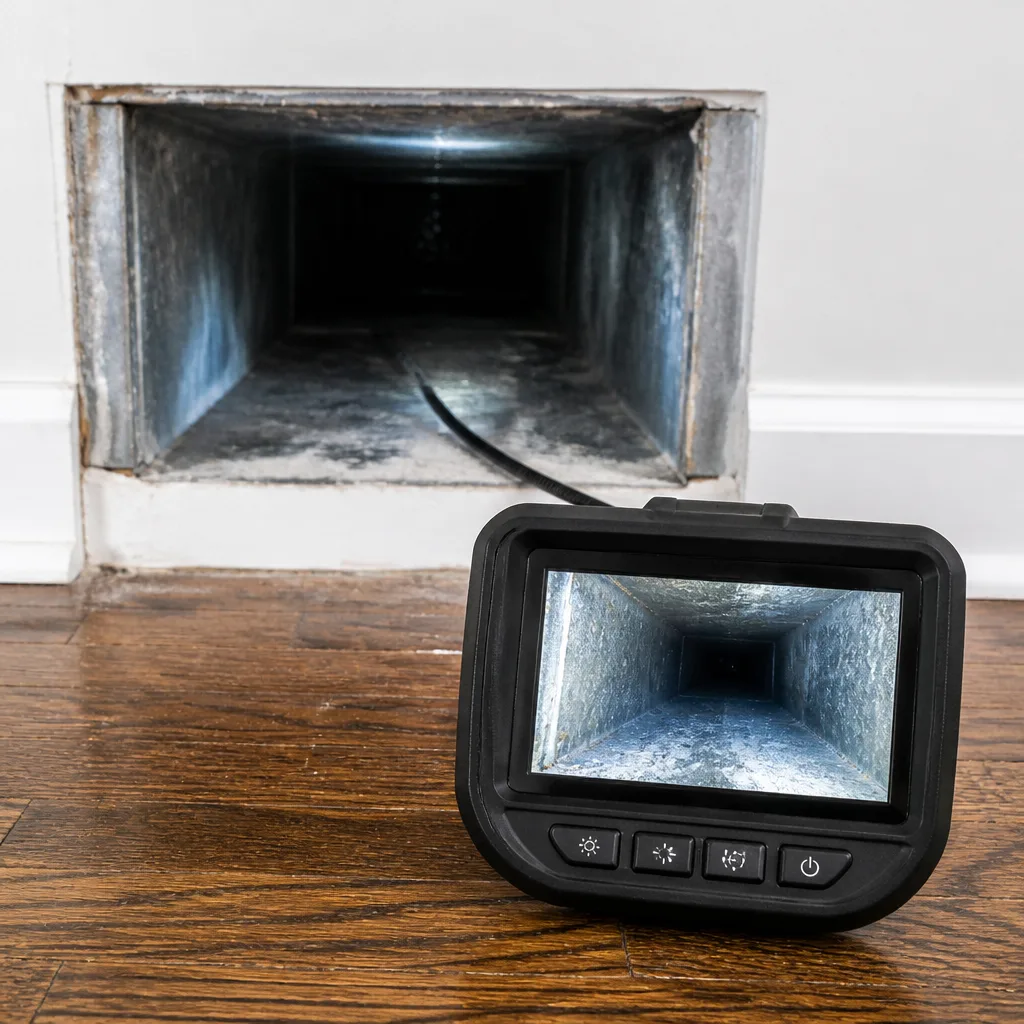 Camera inspection
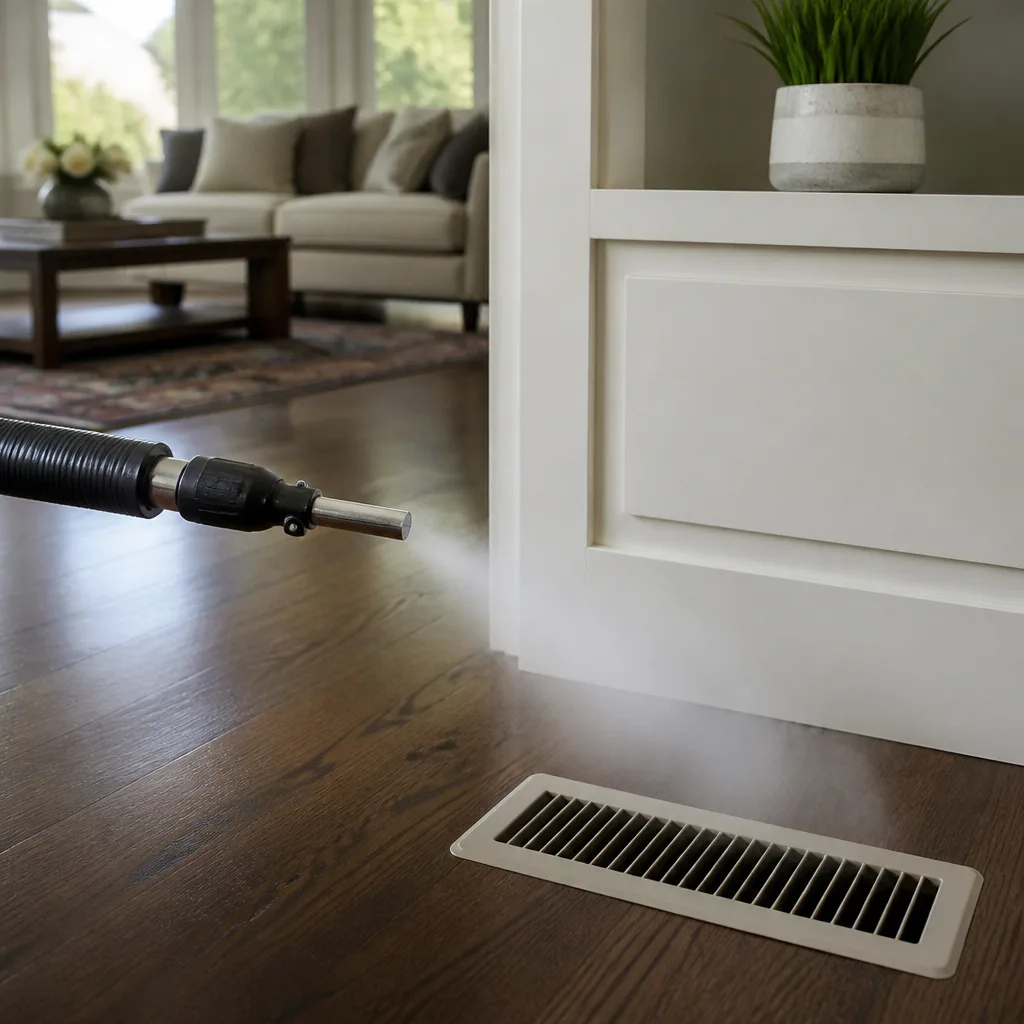 Sanitizing & deodorizing
Whole-system duct and dryer vent check with before-and-after photos - you see exactly what came out of your vents
That "$99 whole-house special" is a bait ad - the real number appears once they are in your hallway, or the "clean" is a shop-vac at the register. We photograph the inside of your ducts before and after instead.
Choosing the Right Air Duct Cleaning Brand: A Buyer’s Guide for Carmel
When a duct cleaning company lists its equipment brands by name, that’s not marketing. It’s a verifiable signal about methodology. Rotobrush, Nikro, and Abatement Technologies each solve a different part of the duct contamination problem: agitation, collection, and contaminant control at remediation grade. A company that can name the tools it uses, and explain what each one is engineered to do, is telling you something concrete about how your ducts will actually be cleaned. This guide explains what those systems are built for, why the tool matters as much as the technician using it, and the questions to ask before you book in Carmel.
Quick Answer
The right air duct cleaning brand in Carmel is the one that can explain its equipment by name and function, not just promise “professional cleaning.” Look for continuous-contact agitation (Rotobrush’s rotating brush system), true HEPA-level negative air collection (Nikro and Abatement Technologies), the ability to repair ducts in the same visit, and dedicated dryer vent service. Equipment you can verify beats a low price you can’t.
Styles & brands we work with
- Whole-home duct cleaning
- Dryer vent cleaning
- Camera inspection
- Sanitizing & deodorizing
Table of Contents
- Why Equipment Brands Are the Real Credential
- Rotobrush: The Agitation Side of the Job
- Nikro and Negative Air: Why Collection Matters
- Abatement Technologies: Remediation-Grade Contamination
- Why Owning All Three Categories Matters
- Questions to Ask During a Quote
- Repair and Dryer Vents: The Full-System Test
- What Carmel Homeowners Should Know
Why Equipment Brands Are the Real Credential
Every duct cleaning company says it uses professional equipment. Most don’t define what that means. When a company volunteers specific brand names, it opens itself to verification, and that’s the point. You can look up what a Rotobrush machine does. You can ask which Nikro model a company runs. You can ask whether they carry Abatement Technologies gear at all. A vague promise can’t be checked. A brand name can.
The underlying problem is that duct contamination has two halves. Dislodged debris has to be scrubbed loose from the duct walls, and then it has to be captured so it never enters your living space. Cheap setups do the first part badly and skip the second part almost entirely. A shop-vac and a hose can knock dust loose. It cannot hold a negative pressure field across a whole duct system while that dust is airborne. The result is what the trade calls “blow and go”: contaminants redistributed through the house rather than removed.
Professional systems split the work. One machine family agitates, another collects, and a third handles contaminant control at a level that matters when the contamination is more serious than ordinary household dust. When a Carmel company can name all three categories, that’s a methodology statement, not a sales line. It tells you they understand the process as a system.
Here’s the practical test. A company that says “we use professional equipment” has told you nothing you can act on. A company that says “we run Rotobrush for agitation and Nikro negative air machines with HEPA filtration for capture” has given you a checklist. That difference is the whole guide in miniature.
Rotobrush: The Agitation Side of the Job
Rotobrush is the agitation half of a professional duct cleaning. Its rotating brush system maintains continuous contact with the inside of the duct while vacuum extraction runs at the same time. That combination matters more than it sounds. Debris in a duct isn’t loose on the bottom of the run. Dust, lint, pet hair, and dander cling to the walls, and in Carmel homes that run forced air through the winter, that film builds up season after season.
Manual brush methods contact the duct wall intermittently. A hand brush pushes through, hits resistance, gets pulled back, and repeats. Every gap in contact leaves material behind. The rotating brush system is designed to keep pressure against the wall while it moves, loosening that film continuously rather than in strokes. Simultaneous extraction means what comes loose leaves the system immediately instead of settling back down the run.
Why does that pairing matter so much? Because agitation without extraction just moves the problem. Agitation with extraction removes it. The two have to be engineered to work together, which is why a purpose-built machine outperforms a generic brush on a hose.
For a Carmel homeowner, the takeaway is simple. Ask whether the agitation is continuous or manual, and whether extraction runs at the same time. A company using Rotobrush will answer both questions without hesitation. A company that can’t answer them is likely using the second method.
Nikro and Negative Air: Why Collection Matters
Nikro equipment answers the second half of the job: capture. A negative air machine pulls the duct system into negative pressure, so air flows toward the machine instead of into your rooms. Pair that with HEPA filtration and the particulate that agitation dislodged gets trapped rather than exhausted back into the house.
This is the part homeowners rarely ask about, and it’s the part that determines whether the job actually improves your air. Think about the sequence. The brush loosens a season’s worth of accumulated material. For the next several minutes, that material is airborne inside a closed system. If collection isn’t strong enough, it finds the path of least resistance, which is your supply registers. You’ve paid for cleaning and gotten redistribution.
Weak collection is exactly how budget operations cut corners. A single shop-vac at one register can’t hold negative pressure across a whole duct system. It can only pull from the nearest branch. HEPA-rated negative air machines are built to hold the field across the system and to filter what they pull.
When you’re comparing quotes in Carmel, ask what collection equipment goes on the job and whether it’s HEPA-rated. The answer separates two very different services that both get called duct cleaning. The agitation gets the attention because it’s visible. The collection is what you actually breathe.
Abatement Technologies: Remediation-Grade Contamination
Abatement Technologies equipment is built for jobs that exceed ordinary cleaning scope. Post-fire smoke and soot contamination, post-flood moisture and microbial growth, and remediation scenarios where contaminant control has to meet a higher standard than household dust. That’s a different category from routine maintenance, and it requires equipment designed for it.
Most homes in Carmel will never need this level of work. But the fact that a company carries remediation-grade equipment tells you something about how it thinks. A contractor equipped for remediation-grade contaminant control understands the difference between cleaning a duct and containing a contaminant. That understanding carries into every ordinary job, because it changes how they set up negative pressure, how they seal the work zone, and how they decide when a system needs more than a standard pass.
It also matters at the margin. If a walkthrough turns up something that isn’t ordinary dust, you want a company that already has the tool for it. The alternative is being told you need a specialist, and starting the search over.
Ask the question directly during a quote: what happens if you find mold or smoke residue in my system? A company with Abatement Technologies capability has an answer. A company with only a brush and a vacuum has a referral.
Why Owning All Three Categories Matters
A single-tool operator is limited by the tool. A company that runs agitation, collection, and remediation-grade contaminant control has full-system capability, and that changes what’s possible on any given job. Here’s what to look for. Professional-grade equipment, not consumer shortcuts, shows up in every category at once.
- Agitation capability. Rotobrush’s rotating brush system for continuous contact, not manual strokes.
- Collection capability. Nikro negative air machines with HEPA filtration holding the field across the system.
- Contaminant control capability. Abatement Technologies equipment for scenarios that exceed standard cleaning scope.
- Repair capability. The ability to fix what the cleaning uncovers, in the same visit.
- Dryer vent service. A dedicated safety-focused service line, not an afterthought.
The difference shows up in the middle of a job, when the equipment reveals something the quote didn’t anticipate. A disconnected joint inside a wall cavity. A crushed flex run under a floor. A dryer vent packed with lint and routed through a hot attic. A company equipped for one task has to stop, note it, and send you looking for a second contractor. A company built for the full system can find the problem and fix it in the same visit.
That’s the real argument for equipment breadth. Not that every job needs every machine, but that the company isn’t forced to leave work half done. Clean ducts. Repaired ducts. Safer dryer vents. That’s the scope a full-system operator can actually deliver, and it’s what we hold ourselves to in Carmel.
Questions to Ask During a Quote
You can verify equipment claims before you book. It takes five questions, and a professional company will answer all of them plainly. A company that deflects is telling you something too. Use this sequence as your screen.
- What equipment models will be used on my system? Ask for model numbers, not brand categories. “Rotobrush” is a start. “Rotobrush aiR+” is verifiable.
- Can I see photos of your equipment setup? A company that works with professional-grade machinery has photos of it. Ask for them before the appointment, not after.
- Which tools go on my specific duct layout? Walk your system with them. Rigid trunk lines and flex branch runs get treated differently, and a technician should be able to explain which tools reach which runs.
- Is your collection equipment HEPA-rated? If collection is weak, agitation becomes redistribution. HEPA-rated negative air is the answer you want.
- What happens if you find something beyond routine cleaning? Damaged ducts, microbial growth, soot. A full-system operator has the equipment and the repair capability to handle it.
Add a sixth if you want the full picture on quality: ask whether they offer protective treatments after cleaning. Guardsman treatments go on after the work is done to extend duct cleanliness between cleanings, and a company that offers them is thinking past the appointment.
For a deeper look at what a proper cleaning involves, see our guide to air duct cleaning. The equipment questions and the process questions overlap more than most homeowners expect.
Repair and Dryer Vents: The Full-System Test
Two service lines test whether a company is genuinely full-system. The first is air duct repair. Cleaning reveals problems. Disconnected joints, crushed runs, punctured flex, seals that failed years ago. A company that cleans but can’t repair has to hand you a list and wish you luck. We find problems and fix them in the same visit, which is the difference between a cleaned system and a working one.
The second is dryer vent cleaning, and it deserves its own mention. A dryer vent carries hot, lint-laden air out of the house. Lint accumulates on the interior walls of that run, and when it restricts airflow, the dryer runs hotter and longer. This is a fire-safety service, and standalone duct cleaners often skip it because it isn’t ductwork. If a company’s service menu stops at supply and return ducts, you’re getting half the system.
Household air quality systems belong in this picture too. Duct Cleaning Carmel is authorized to work with Honeywell and Aprilaire air quality systems, which means filtration and humidity control live on the same service menu as cleaning. From cleaning to filtration systems, one call covers it all. That’s the full-system framing, and for a Carmel home with an allergy-aware household, it’s the difference between clearing dust once and managing air quality over time.
What Carmel Homeowners Should Know
Carmel homes run their HVAC systems hard for a good stretch of the year. Heat in winter, air conditioning and humidity control through the summer, and a shoulder season in between where the system still cycles. That cycle count matters. Every hour of runtime moves air through the ducts, and every hour deposits a little more of what the filter missed. Filters catch the large stuff. They don’t stop the fine film that builds on duct walls over several seasons.
Newer construction along the west side of Carmel brings a different issue into play. Builders complete a home, run construction air through the duct system for weeks, then hand over keys. Drywall dust, sawdust, and fine construction particulate settle into the runs before anyone moves in. A home that’s never been occupied can have a dirtier duct system than an older one that’s been maintained.
Older housing stock has the opposite problem. Failed duct tape, sagging flex runs, and joints that pulled apart decades ago. If ducts are leaking in an attic or crawl space, every run pulls in whatever air surrounds them, and a sealed-home build tightens that loop. Cleaning addresses the interior. Repair addresses the envelope. You want a Carmel company that handles both, because cleaning a leaking system is only half the work.
Neither situation requires panic. It requires a company that will walk the system, show you what it finds, and explain which equipment reaches which part of the problem. That’s the standard we think Carmel homeowners should hold every quote to.
Common Mistakes to Avoid
- Booking on price alone. The cheapest quote usually means the cheapest equipment. Ask what goes on the truck before you compare numbers.
- Accepting “we use professional equipment” without a name. Specific brands can be verified. Categories can’t. Ask for model numbers.
- Ignoring what happens after the cleaning. If the company can’t repair what it finds, you’re hiring a second contractor and paying a second setup fee.
- Skipping the dryer vent. It’s a fire-safety service, and a company whose menu stops at HVAC ducts leaves that risk untouched. For a dedicated look at the process, see our dryer vent cleaning page.
- Not asking whether collection is HEPA-rated. Agitation without real capture just redistributes the debris. This is the single most important equipment question.
- Assuming a newer Carmel home doesn’t need it. Construction particulate settles into new ductwork before the first owner moves in.
- Assuming an older Carmel home only needs cleaning. Leaking joints and disconnected runs may need repair, not another pass with a brush.
See the difference
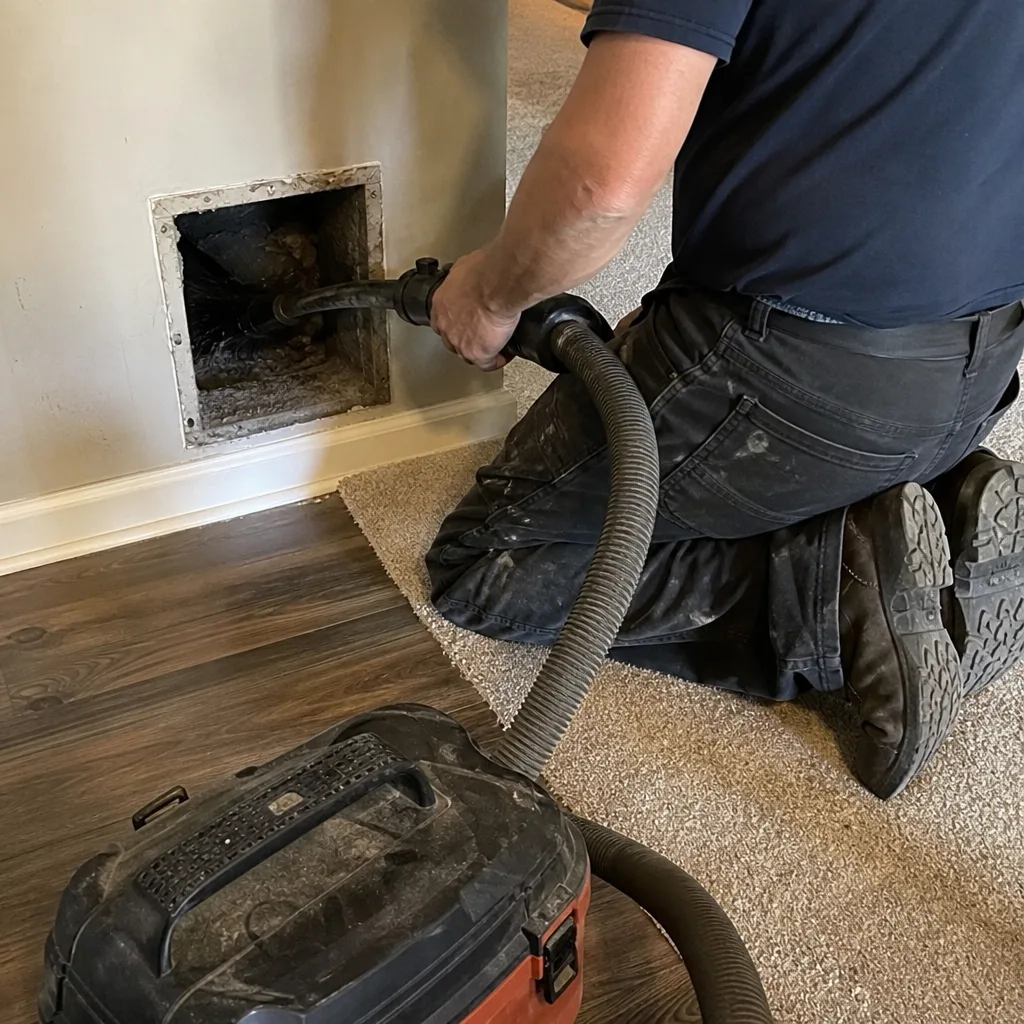 Before
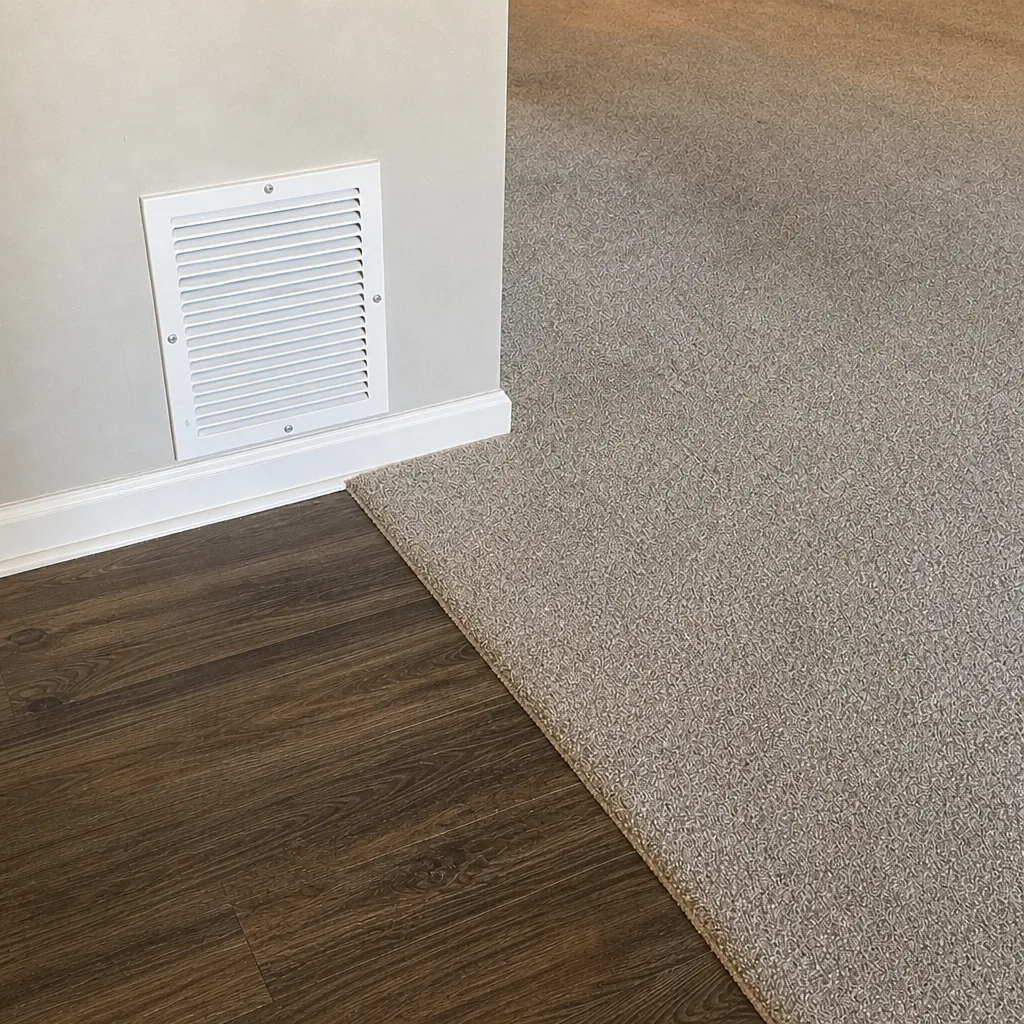 After
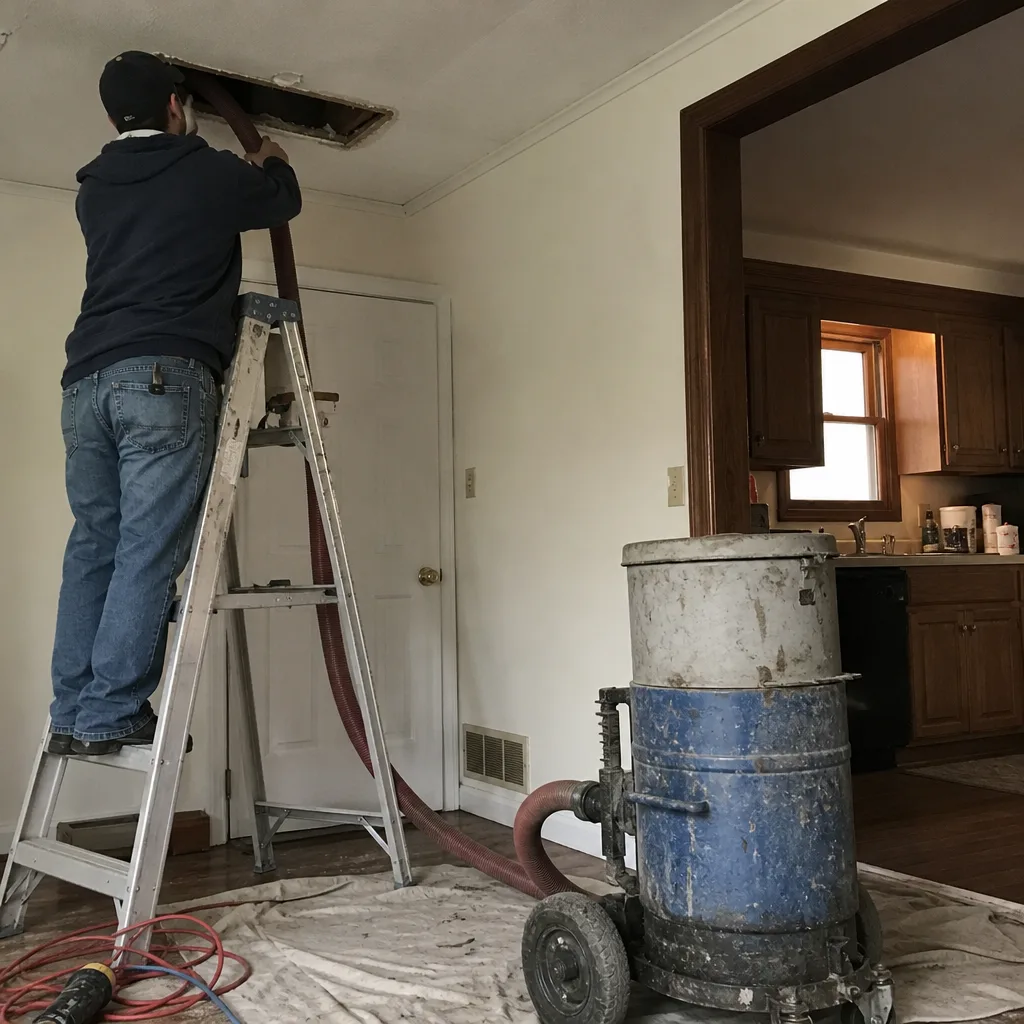 Before
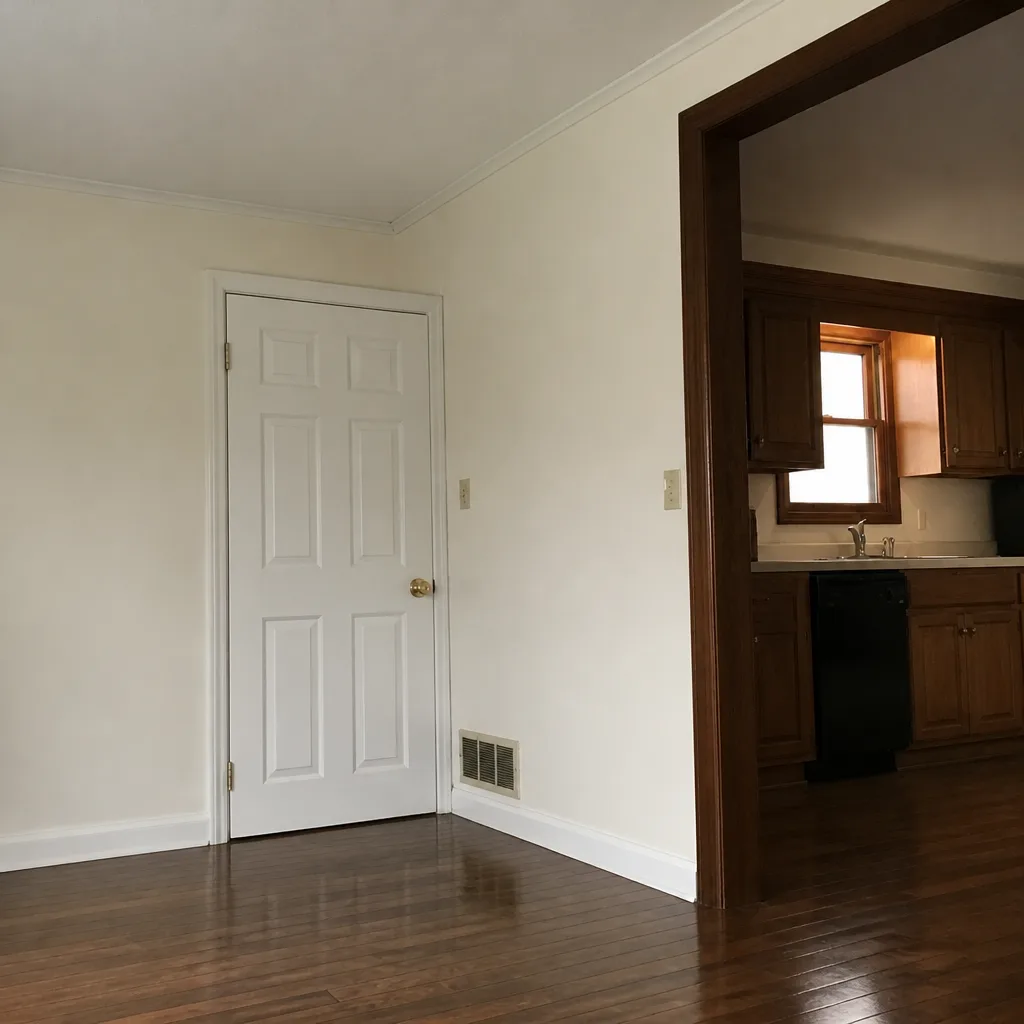 After
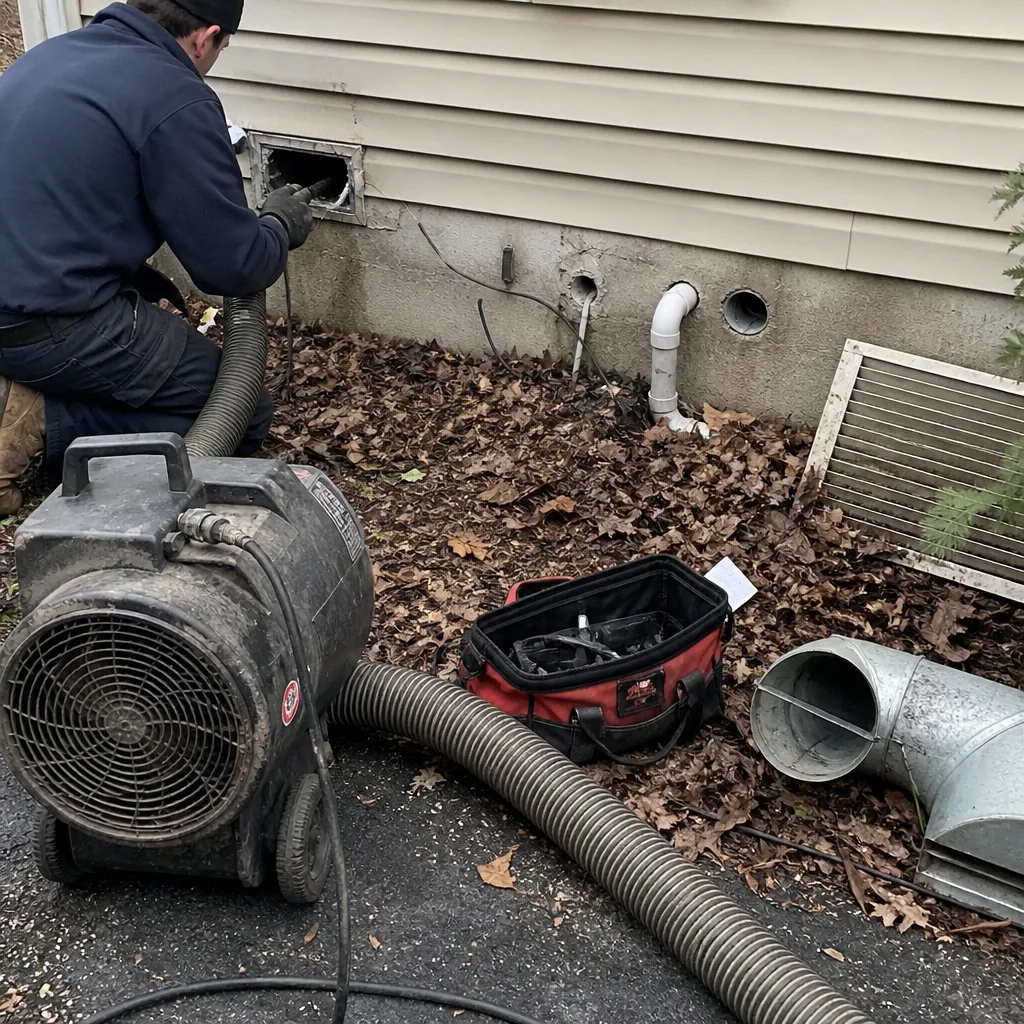 Before
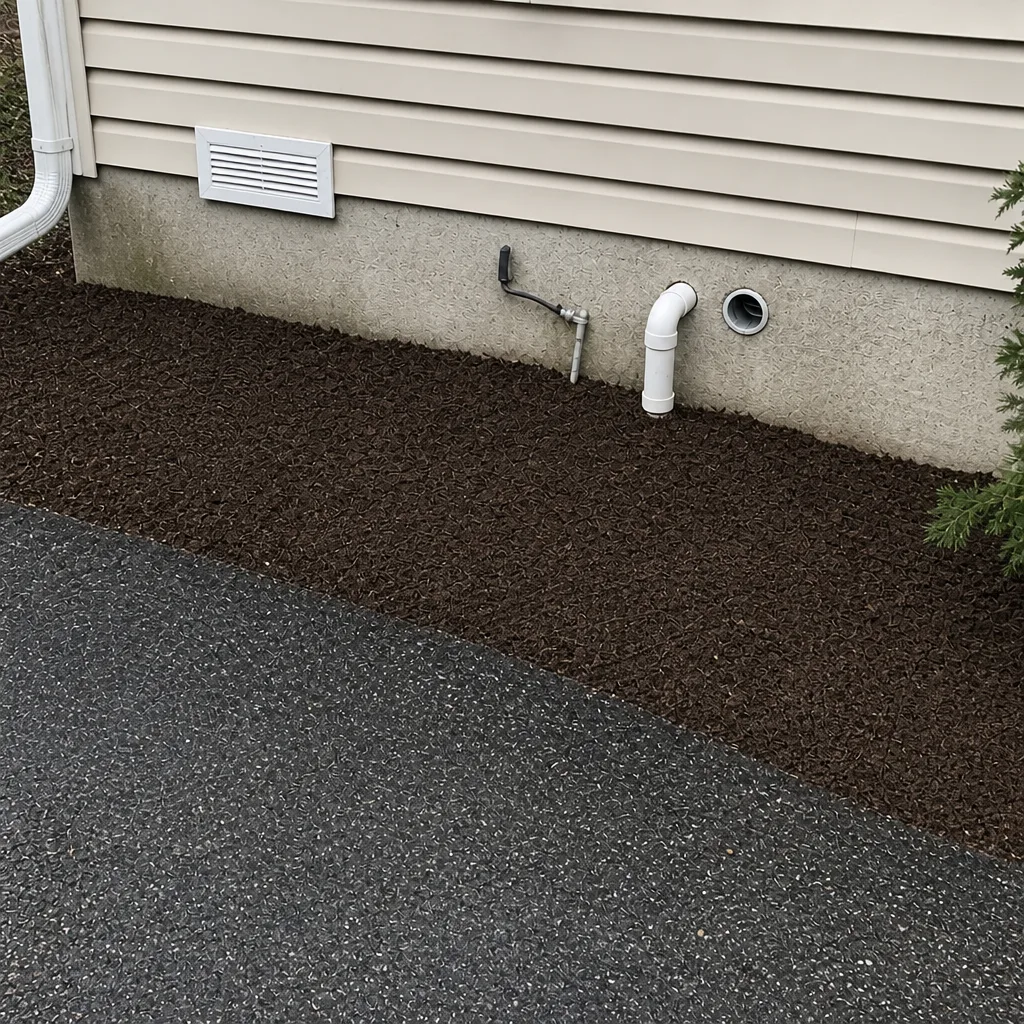 After
When to Call a Professional
Call a professional when the signals are specific. Visible dust streaking at supply registers immediately after the system runs. A noticeable musty or dusty smell when the air handler kicks on. Allergy symptoms that track with HVAC cycles rather than seasons. A recent move into a Carmel home with no service records. Renovation dust from a kitchen or basement project. A dryer that takes two cycles to dry a load. Or a visible lint buildup behind the dryer. These are all signs that something in the system needs a look.
The other trigger is simpler: it’s been a long time and the system has never been checked. Duct Cleaning Carmel offers free estimates in Carmel. Call (844) 834-5334. We answer 24/7. Fast dispatch from 7am to 7pm, Sunday through Friday.
Frequently Asked Questions
Look for Rotobrush for rotating brush agitation, Nikro for HEPA-rated negative air collection, and Abatement Technologies for remediation-grade contaminant control. Those three categories cover agitation, capture, and containment. A company that owns all three has full-system capability. One that owns a vacuum and a hose does not.
Ask for model numbers and photos of the setup before the appointment. A company working with professional-grade machinery has both on hand. Then ask which tools will be used on your specific duct layout during a walkthrough. If the answers stay general, the equipment is probably general too. Call (844) 834-5334 for an exact quote. Estimates are free.
It matters because brand names can be checked and general claims can’t. Rotobrush’s rotating brush system maintains continuous contact and extracts simultaneously. Nikro’s negative air machines hold system pressure and filter to HEPA. Abatement Technologies equipment handles contamination beyond routine scope. Each solves a different problem, and a company that owns them understands the problem as a system. That understanding shows up in how the job runs.
Cleaning removes accumulation from inside the duct walls. Repair fixes the physical problems that cleaning uncovers, like disconnected joints, crushed runs, and failed seals. Many Carmel homes need both, especially older ones where duct tape has failed. A company that offers only cleaning will hand you a list of repairs and leave.
You should at least have it inspected. Dryer vents accumulate lint on interior walls, and restricted airflow makes the dryer run hotter and longer. It’s a fire-safety concern that most standalone duct cleaners don’t address. If your dryer needs two cycles or you can see lint buildup at the exterior vent, book it.
For most homes, the trigger is condition, not a calendar. Visible register dust, musty odors at startup, recent renovation, a new move-in with no records, or allergy symptoms that track with HVAC cycles. A system that’s been cleaned and maintained holds its condition longer. Call (844) 834-5334 for an exact quote. Estimates are free.
The Bottom Line
Equipment names mean something because they can be verified. Rotobrush covers agitation, Nikro covers collection, and Abatement Technologies covers remediation-grade contaminant control. A company that owns all three has full-system capability, and that capability shows up in what gets fixed in the same visit and what gets left for someone else. When you compare quotes in Carmel, ask for model numbers, ask whether collection is HEPA-rated, and ask what happens if the job turns up something beyond routine cleaning. If you want a free estimate on your system, call (844) 834-5334. Our technicians have up to 12 years of experience, and we’d be glad to walk your system with you.
Written by the team at Duct Cleaning Carmel.