
Last updated November 14, 2026
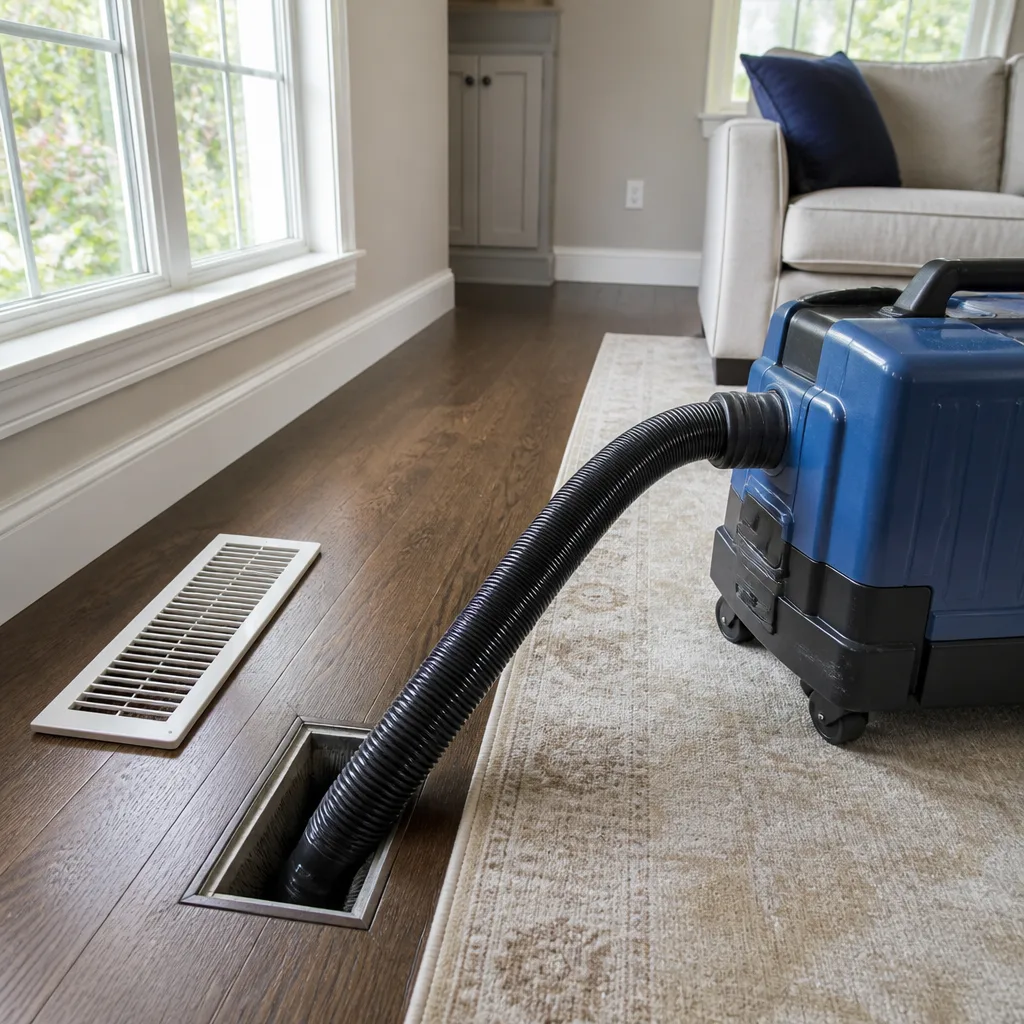 Whole-home duct cleaning
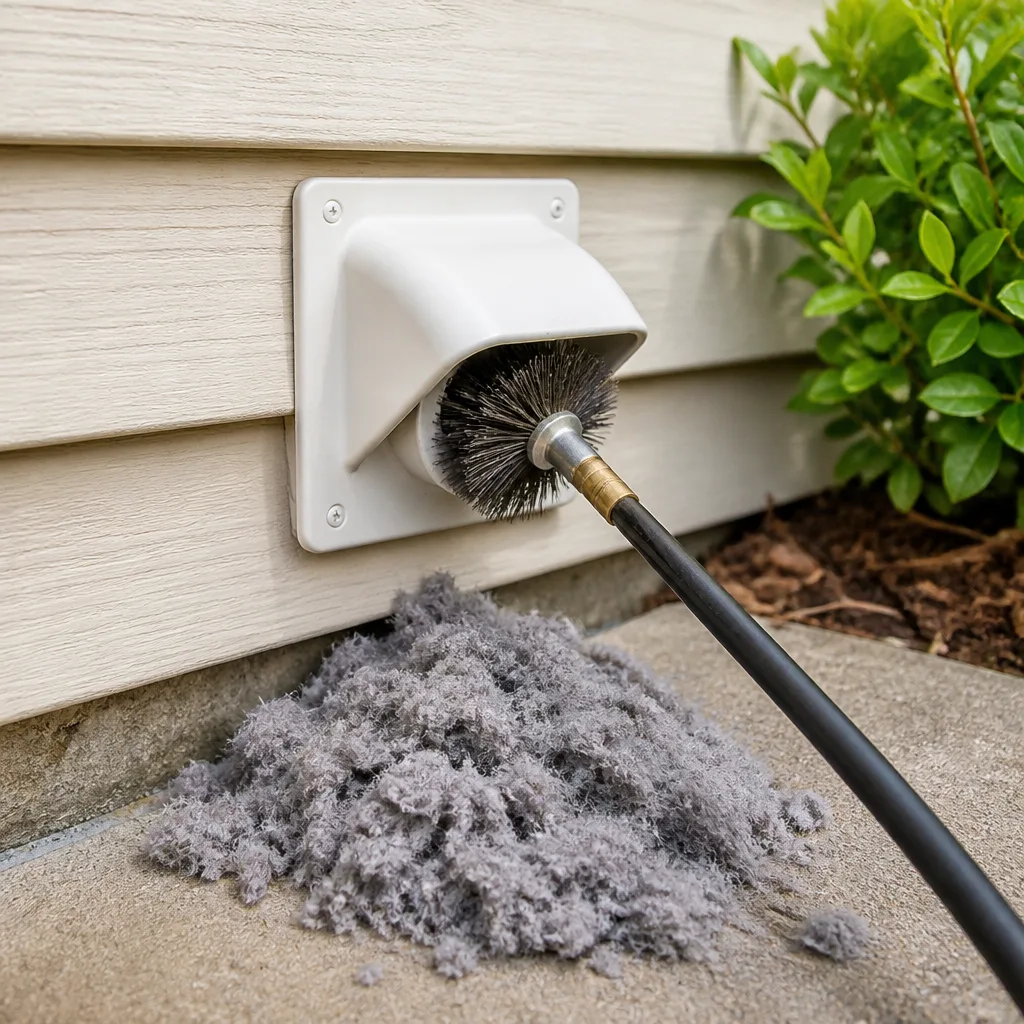 Dryer vent cleaning
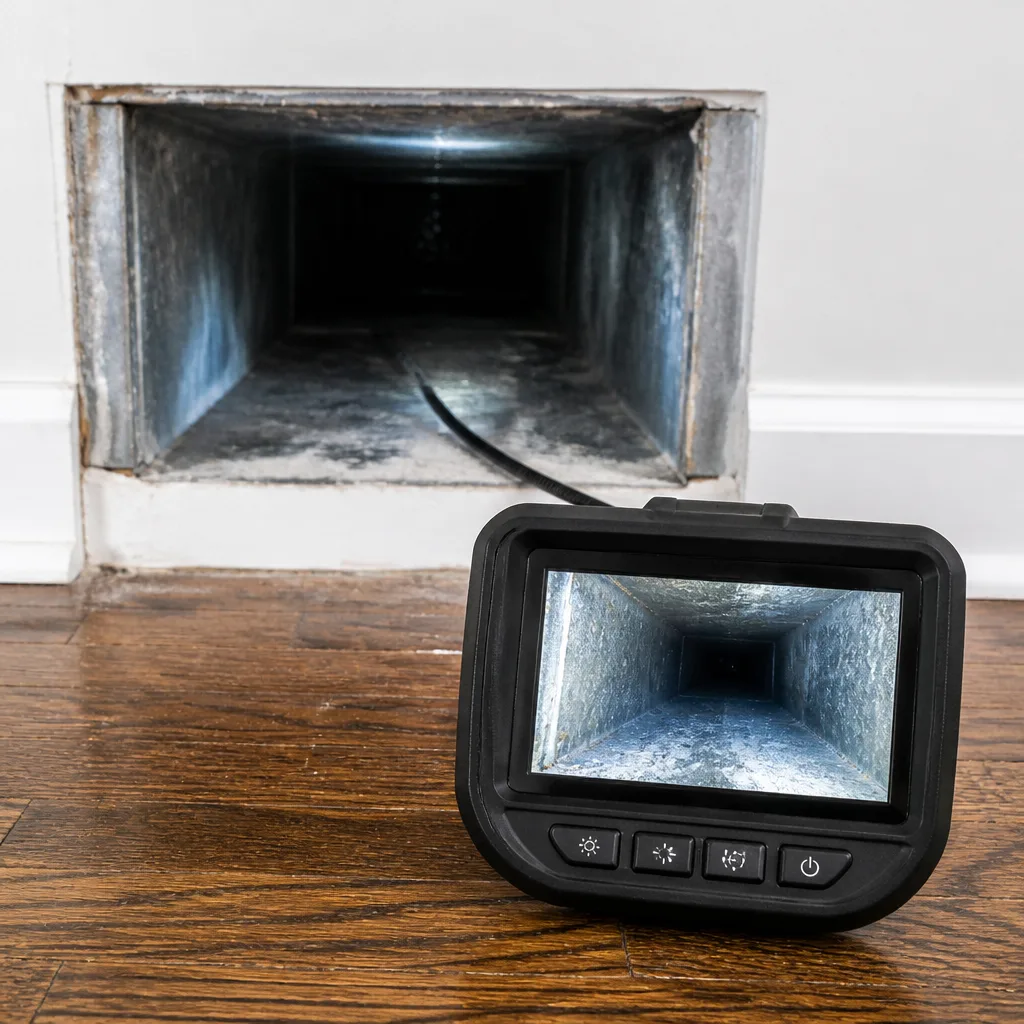 Camera inspection
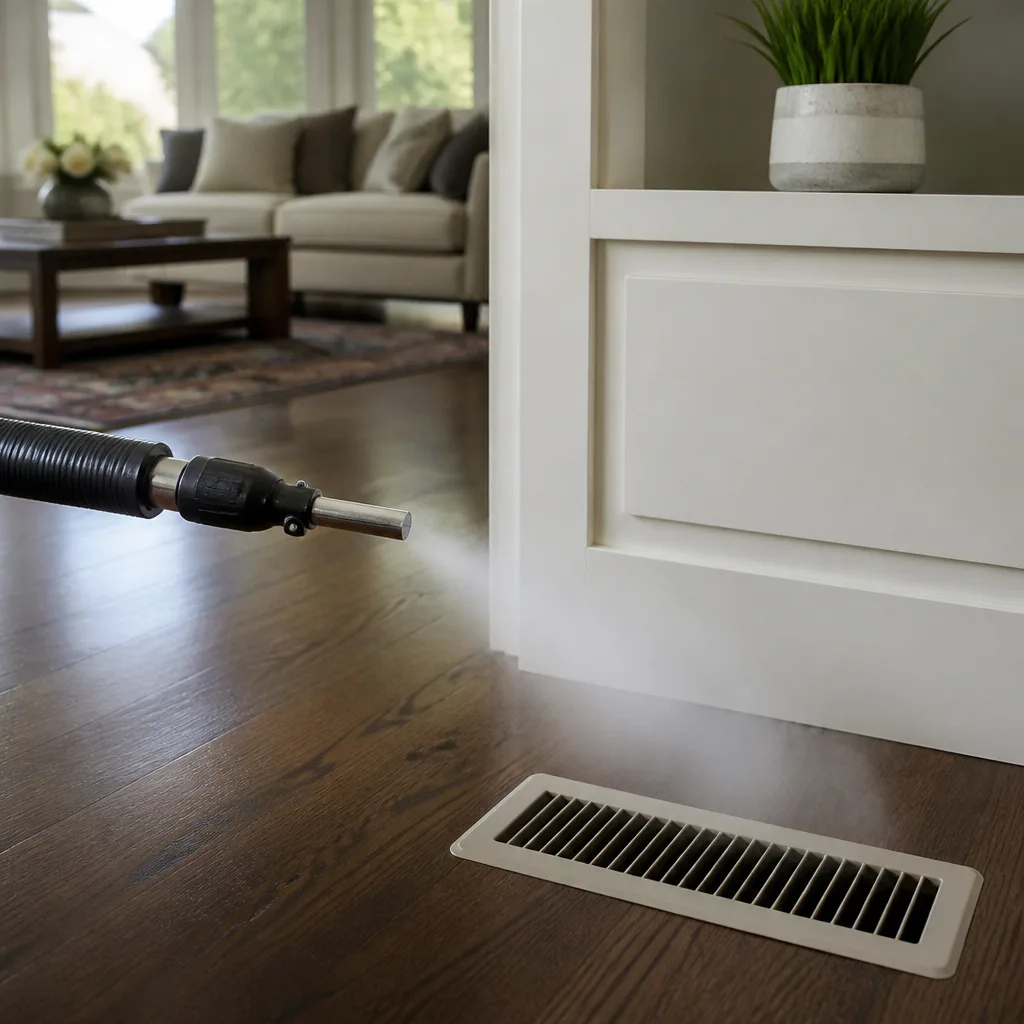 Sanitizing & deodorizing
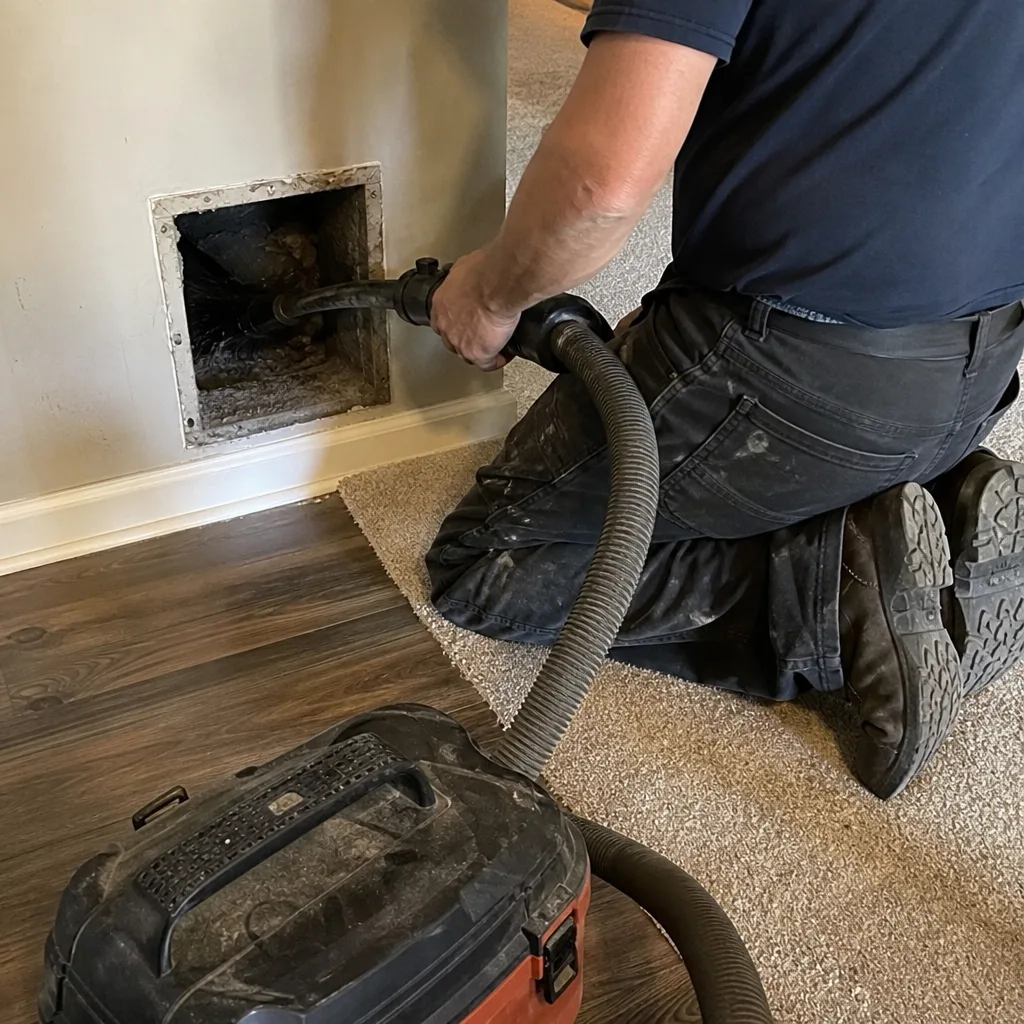
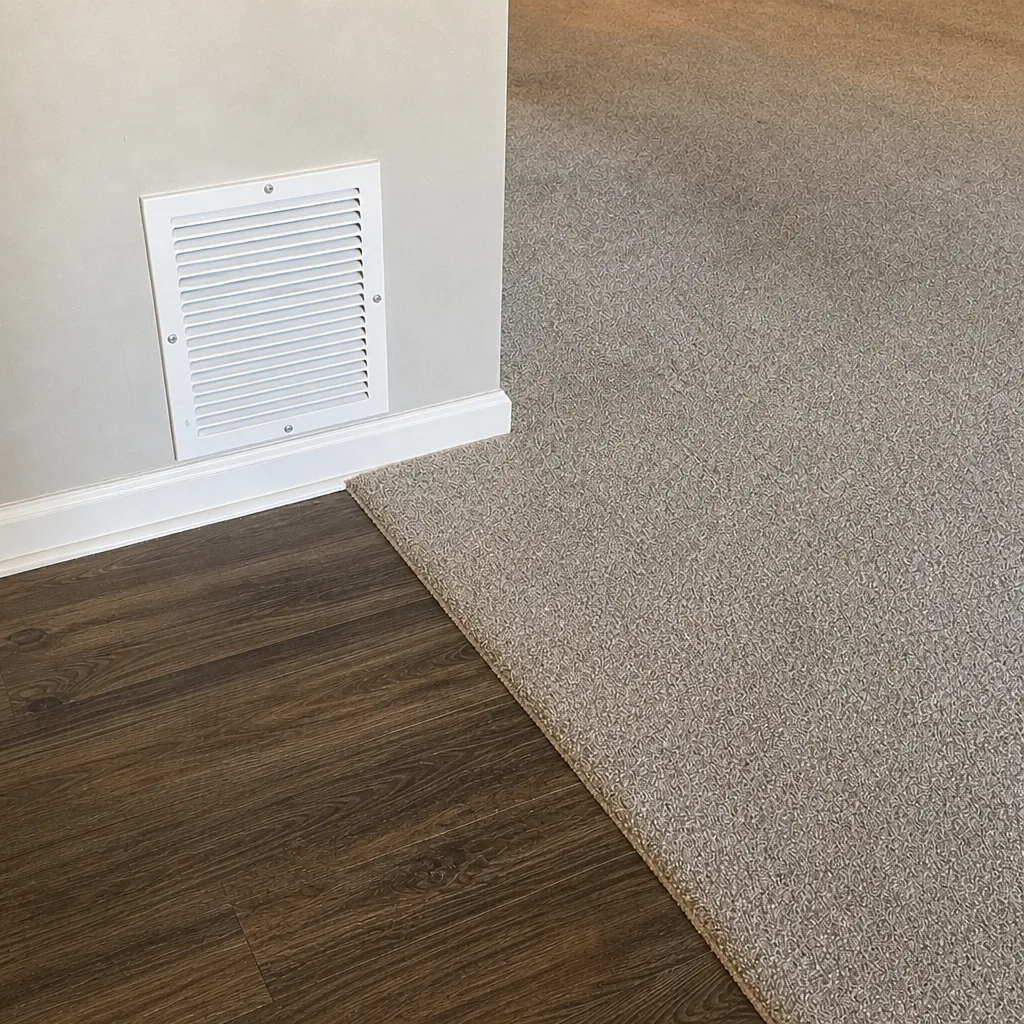
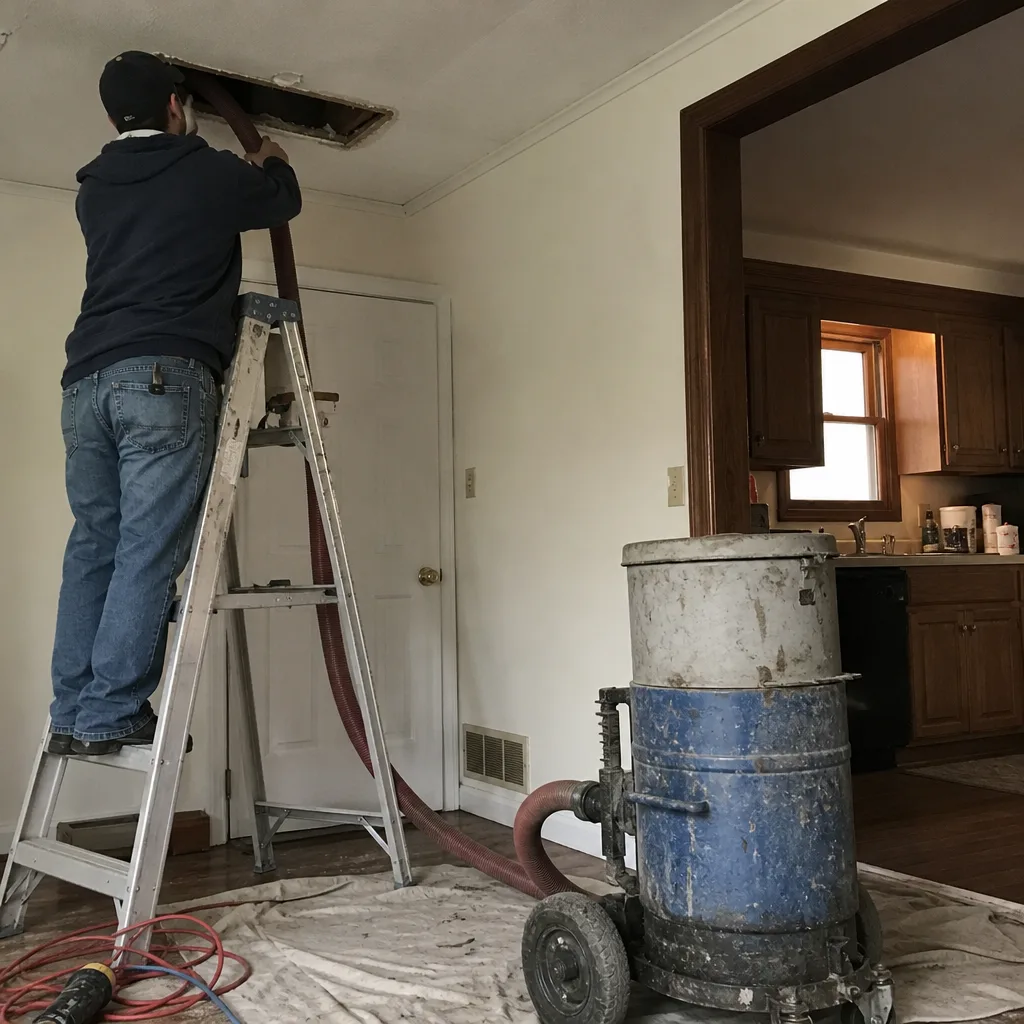
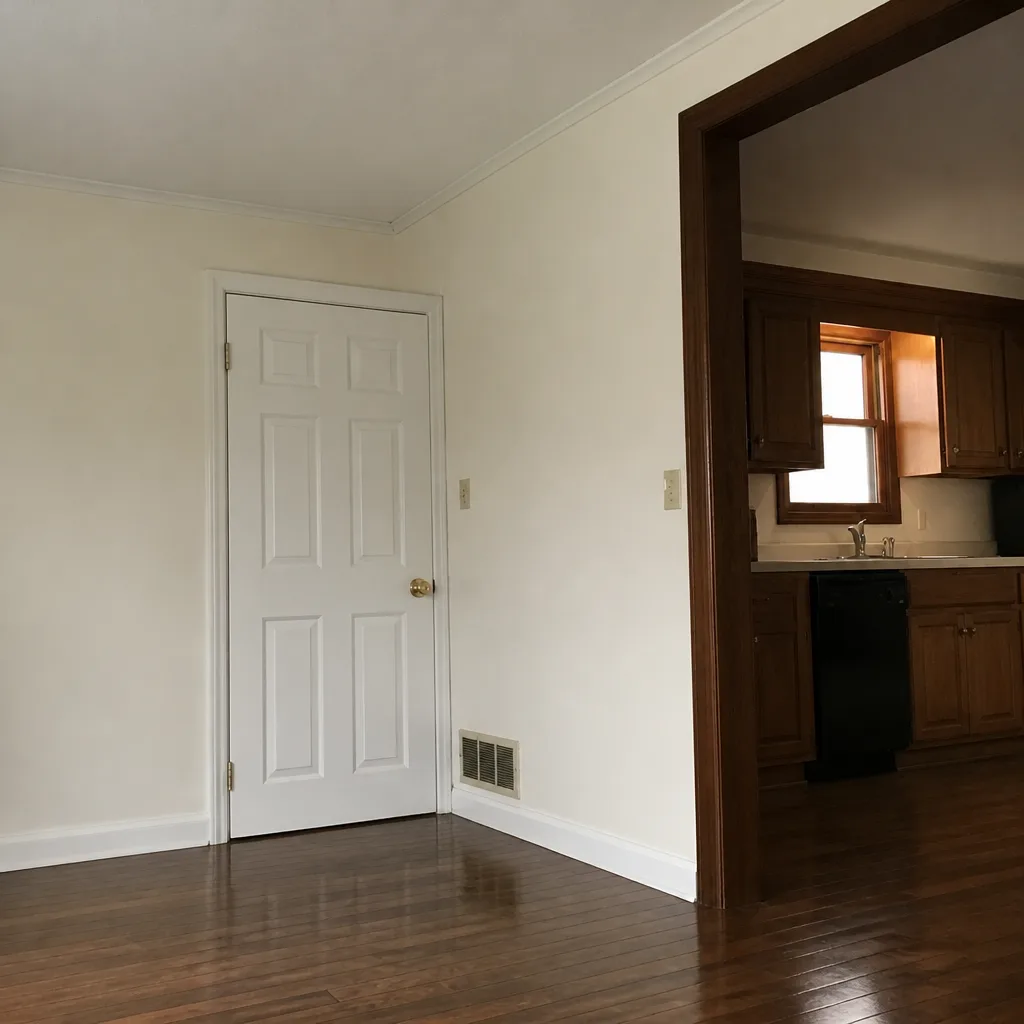
Whole-system duct and dryer vent check with before-and-after photos - you see exactly what came out of your vents
That "$99 whole-house special" is a bait ad - the real number appears once they are in your hallway, or the "clean" is a shop-vac at the register. We photograph the inside of your ducts before and after instead.
Air Duct Cleaning Maintenance Schedule: What to Do and When
Two households on the same Carmel street can have wildly different duct maintenance needs. One runs two dogs, a MERV-6 filter, and a basement air handler; the other has no pets, a MERV-11 filter, and an upstairs unit. The first home collects debris in its ductwork roughly three times faster than the second, yet both homeowners get handed the same “clean every 3 to 5 years” brochure line. That single interval ignores the variables that actually drive contamination in Carmel homes: pet count, renovation history, filter grade, and Indiana’s humid summers. This guide replaces the generic rule with a tiered schedule you can match to your own household. You’ll learn how to profile your home, set an interval that fits it, and keep a service record worth handing to the next technician.
Quick Answer
Most Carmel homes need air duct cleaning every 3 to 5 years, but that range shifts to every 2 to 3 years for homes with multiple pets, recent renovations, smokers, or allergy sufferers, and can stretch to 6 or 7 years for pet-free homes with high-grade filters and no recent construction. The right interval depends on your household profile, not a universal rule. Pair every duct cleaning with a dryer vent inspection, and check your filter monthly.
Styles & brands we work with
- Whole-home duct cleaning
- Dryer vent cleaning
- Camera inspection
- Sanitizing & deodorizing
Table of Contents
- Why a Single Interval Doesn’t Fit Every Home
- Your Household Profile: Assigning Your Interval
- How Carmel’s Climate and Housing Affect Your Ducts
- The Dryer Vent Cadence That Runs in Parallel
- Between-Service Tasks: Filters and Return Grilles
- Building a Maintenance Log That Lasts
- When Cleaning Turns Into Repair
- Filtration and Air Quality Products Worth Adding
Why a Single Interval Doesn’t Fit Every Home
We’ve seen the variables clearly enough to stop treating duct maintenance as a calendar event. The “3 to 5 years” figure most homeowners hear gets repeated because it’s easy to say, not because it’s accurate across households. Contamination builds on a curve shaped by three inputs: how much particulate enters the return side, how well the filter catches it, and how much the ductwork itself concentrates it through joints, transitions, and low points.
Consider the mechanics. Every cubic foot of air that returns to your system carries whatever is airborne in your home at that moment: pet dander, cooking aerosols, dust from drywall work, fibers from carpet and upholstery. A MERV-6 filter catches the larger particles and lets the fine ones pass. A MERV-11 filter captures a much wider band. Over months, that difference compounds. The duct interior in a low-filtration home builds a visible film faster, and that film becomes the substrate for everything else.
Housing matters too. Duct systems in older Carmel homes often have flex runs with sagging sections that trap debris. Newer construction sometimes has tighter trunk lines but leakier joints. Neither is “worse” in the abstract; each changes where debris settles and how quickly it accumulates.
The practical takeaway is straightforward: stop asking “how often should I clean my ducts?” as a general question. Ask “what is my household profile?” once, then set the interval. If you want a baseline reference for what a proper cleaning includes, our air duct cleaning page covers the full process from setup to verification.
Your Household Profile: Assigning Your Interval
Work through the profile below once. Most homeowners land on a clear tier after about two minutes of honest assessment. This is the scheduling framework we recommend when homeowners in Carmel ask us to help them plan rather than react.
Step 1: Count the contamination sources
- Pets: Add one point per pet that sheds. Two dogs equals two points.
- Allergy or asthma in the household: Add two points. Anyone sensitive needs a shorter interval regardless of visual appearance.
- Smoking indoors: Add two points. Tobacco residue coats duct surfaces and behaves differently from dry dust.
- Renovation in the last 24 months: Add two points. Drywall dust and construction debris migrate into any open return during a remodel.
- Filter grade: Subtract one point if you run MERV-11 or higher consistently, with proper filter changes on schedule.
Step 2: Match your total to an interval
- 0 points: 6 to 7 years between cleanings. Low-source homes with good filtration age slowly.
- 1 to 2 points: 4 to 5 years. The standard tier for most single-pet or moderate-source homes.
- 3 to 5 points: 2 to 3 years. Multi-pet or high-source homes need shorter cycles.
- 6 or more points: Every 2 years, sometimes sooner. Allergy-sensitive homes with pets and recent construction fit here.
The interval is a planning number, not a rule enforced by a timer. If you notice visible dust streaks at the supply registers sooner than your schedule expects, move the cleaning up. If the registers stay clean for years, your tier is working.
Step 3: Confirm your filter actually matches the grade you claim
A surprising number of households assume they run MERV-11 because they buy “allergen” filters, when the packaging actually rates MERV-8. Check the printed MERV rating on the filter edge, not the marketing language. The number on the box is what your schedule should be built on.
How Carmel’s Climate and Housing Affect Your Ducts
Carmel sits in central Indiana, and that location has consequences for duct maintenance that the generic advice tends to skip. Two seasonal patterns matter more than anything else.
Humid summers and duct moisture
Indiana summers push humidity high enough that air conditioning runs nearly continuously for weeks. Condensation forms where duct surfaces run coldest: metal trunks, coil cabinets, and the first few feet of every supply run in unconditioned space. Moisture plus settled dust equals a habitat where biological growth becomes possible. Duct interiors in this climate accumulate a different kind of debris than the dry-dust profile in, say, Arizona. That’s why we recommend inspecting ducts at the 3-year mark even in low-source homes if the system has any flex duct or runs through a humid basement.
Freeze-thaw cycles and duct joints
Central Indiana’s winter cycle moves between freezing and thawing repeatedly through the season. That movement works on the duct system wherever it borders unconditioned space: attic trunks, garage runs, rim-joist transitions. Flexible duct connections at those boundaries loosen over time. Once a joint opens, it stops just wasting conditioned air and starts pulling in attic insulation particles and outside dust. Every winter cycle that flexes a loose connection makes the gap a bit wider. Schedule a joint check when you clean, and have any loose sections sealed or repaired the same visit rather than afterward.
Housing stock differences across Carmel
Neighborhoods across Carmel cover a wide age range. Established areas toward the center have systems renovated at least once, often to flex duct. Newer subdivisions on the west and north sides tend toward tighter trunk-and-branch layouts. If you live in a home that has been through a kitchen or bath remodel, even a small one, your contamination timeline starts the day the drywall work began. We’ve seen the evidence in homes all across Carmel: the remodel year and the first heavy cleaning year often track together.
One more local factor: HVAC closets and mechanical spaces in Indiana homes are frequently tight, which means dust has less room to disperse and more reason to settle in the unit and nearby trunk.
The Dryer Vent Cadence That Runs in Parallel
Here’s where most homeowners’ maintenance schedules break down: the air ducts get attention and the dryer vent gets forgotten, despite sitting feet away and carrying a genuine fire risk. The dryer vent is a duct. It shares the same moisture, lint, and debris-exposure profile as the HVAC system, and it needs its own interval that runs alongside duct cleaning, not in place of it.
Dryer vent schedule
- Lint trap: Clear before every load.
- Vent line inspection: Annually for typical households; every 6 months for households running more than one load per day or with long duct runs.
- Full vent cleaning: Every 2 to 3 years for most homes, coinciding with duct cleaning so the schedule stays unified.
Why the schedules belong together
Both ductwork and dryer vents move a large volume of air through concealed channels, both trap fine debris, and both can hide problems until they surface as failures or hazards. Cleaning both in the same service window keeps the maintenance record simpler and the risk profile lower. Dryer vent neglect is its own kind of problem: lint accumulates near the heat source, and restricted airflow puts more thermal load on the appliance. That’s the reason dryer vent cleaning sits in our core service list rather than as an add-on.
If your dryer loads take noticeably longer to dry than they did a year ago, or the exterior vent flap barely moves when the dryer runs, the vent is overdue regardless of your calendar. Those are calls for a professional inspection, not a homeowner do-it-yourself attempt, especially where the vent run is long, concealed, or behind the appliance.
Between-Service Tasks: Filters and Return Grilles
What you do between professional cleanings determines how quickly the next one arrives. Two tasks matter more than everything else combined: filter changes and return grille inspections.
Filter change cadence by household
- 1-inch filters: Every 30 to 60 days. Shorter end for high-source homes.
- 2-inch filters: Every 60 to 90 days.
- 4- to 5-inch media filters: Every 6 to 12 months, depending on source load.
- Allergy households: Always at the short end of the range for your filter type.
What a filter looks like at each stage
Check the filter face every month. That check tells you where you are on the contamination curve, and it gives you a real vocabulary to describe your home’s source load.
- Clean: White or light gray, fibers visible, even color across the face. No restriction yet.
- Working: Light gray with even dust load, edges still flexible. Time to schedule the change.
- Loaded: Gray-brown with visible debris accumulation across the pleats, especially the outer edges. Change within the week.
- Overdue: Dark gray or near-black with lint matting, pet hair, and warped pleats. Change immediately; the system has been running restricted.
An overheating warning comes with the final stage: a filter so loaded air can’t pass causes the blower to work harder and the evaporator coil to freeze in summer. If you’ve had a frozen coil, check the filter first.
Return grille inspection
Every 3 months, pop open the return grilles and look at the duct interior within reach. A thin film is normal. Streaks, matting, debris piles at the base of the drop, or visible biological growth means the interval should shorten. Photograph what you see. That photo belongs in your maintenance record below.
What NOT to do yourself
Resist the temptation to clean duct interiors with a shop vacuum or a DIY brush kit. Consumer tools disturb settled debris without capturing it, and the contaminants simply get pulled through the system and into the occupied space. The professional setups that actually contain the debris, like the Rotobrush and Nikro systems we run with Abatement Technologies HEPA capture, exist for that reason. Cleaning the accessible registers with a damp cloth is fine; cleaning the ducts themselves is a professional job.
Building a Maintenance Log That Lasts
A record of what was done, when, and by whom makes the next service easier, and it hands a future technician or home inspector a complete picture of the system. It takes about five minutes to start and a minute per entry after that.
What to log
- Date of each service. Include filter changes, professional cleanings, repairs, and product installations.
- What was done. Cleaning method, repair details, parts replaced, dryer vent service. Note the equipment brands if the technician provides them.
- What was found. A short observation line: “moderate debris in main trunk,” “loose flex connection at hall bath,” “light lint in dryer vent.”
- Photos. Before-and-after of the ducts, the filter, and any repair. Keep these with the log.
- Service provider name and contact. Useful for warranties, follow-ups, and continuity.
- Filter changes. Date, filter MERV rating, and filter size. This tells the next technician what the system was designed around.
Where to keep it
A simple one-page spreadsheet works, or a paper log taped to the air handler. Keep a digital copy accessible so you can hand it forward if you sell the property. When we work in a home that has this record, we can target issues faster and skip unnecessary guesswork. Property managers with multiple rental properties can build the same log per unit and schedule service intervals across the portfolio rather than tracking each one from memory.
When Cleaning Turns Into Repair
Some homes need a repair visit, and the cleaning visit is where that gets discovered. A duct system isn’t just a passage; it’s an assembly of joints, seals, transitions, and mounting hardware, and physical failures hide until a proper cleaning process disturbs them. When we clean, we check for these issues as part of the process, and fixing them the same visit is one of the practical reasons to work with a company that handles both tasks.
Repair signals to watch for
- Whistling or rushing air sounds around registers, which usually means a joint has opened.
- Temperature swings between rooms, or a room that never reaches the thermostat setting.
- Visible dust trails along flex duct runs at attic or basement connections.
- Condensation or musty odor near the air handler or a supply drop.
- Duct sections that move or sag when touched. Flex runs over time lose their hangers.
What happens during a repair visit
Typically, the technician identifies the issue during cleaning, diagnoses it on the spot, and offers a repair cost per issue. The repair itself may involve reconnecting a loose run, sealing a joint, replacing a damaged piece of flex, or re-hanging a sagging section. Any insulation disturbed during cleaning gets addressed in the same visit. If you’ve scheduled a cleaning on a home with a prior repair history, tell the scheduler; the technician will factor it into scope.
Filtration and Air Quality Products Worth Adding
Once your duct schedule is set, the next progression for air-quality-aware homeowners is upgrading the filtration and treatment side. We work with Honeywell and Aprilaire systems because they’re the products that integrate cleanly with standard residential HVAC layouts and give the system more to work with than a 1-inch filter.
Options worth considering
- Media filters (4- to 5-inch): Capture more fine particles, last longer, and require less frequent changes than a 1-inch filter. Best first upgrade for most homes.
- Whole-home filtration systems from Honeywell or Aprilaire: Higher MERV ratings with larger surface area and proper integration into the return plenum.
- IAQ systems tied to the duct layout: Humidification and air treatment options fit naturally onto a properly cleaned duct system; they don’t compensate for dirty ducts.
- Guardsman protective treatments: Applied after professional cleaning, these extend the cleanliness of duct interiors and can push your maintenance interval out.
One caution: upgrading filtration without cleaning first pushes the duct’s existing debris load through a better filter, which shortens filter life. Clean first, then upgrade. For a detailed look at how all three of our core services fit together, our main Duct Cleaning Carmel page is the right starting point.
Common Mistakes to Avoid
- Following the generic “3 to 5 years” rule with a pet-heavy household. If you have two or more pets and no high-grade filter, you’re already overdue at year three, and the “3 to 5” number gives you false confidence.
- Upgrading to a MERV-11 filter on a system designed around MERV-8. Restricting airflow causes coil freezing and blower strain. Match the filter to the system’s actual design, and have a technician verify compatibility.
- Skipping the dryer vent because the air ducts were just cleaned. They are separate systems with separate fire-safety profiles, and the dryer vent is where the fire risk lives.
- Cleaning with a shop vacuum or DIY brush kit. These tools disturb debris without capturing it, and the particulate simply re-enters the occupied space through the returns.
- Ignoring a loose flex connection because it’s “just in the attic.” A loose joint pulls attic insulation into the supply stream and wastes conditioned air year-round. Those are the calls that become a coil cleaning or full duct replacement problem if left.
- No maintenance record. If the home has been through a remodel and nobody noted it, the next technician can’t tell whether the contamination load is recent or longstanding.
- Assuming a low coupon price equals a simple job. The industry’s biggest source of frustration is the bait-and-switch: a small teaser price that becomes a much larger invoice after the technician arrives. Ask what the full-system price will be before anyone starts.
See the difference
 Before
 After
 Before
 After
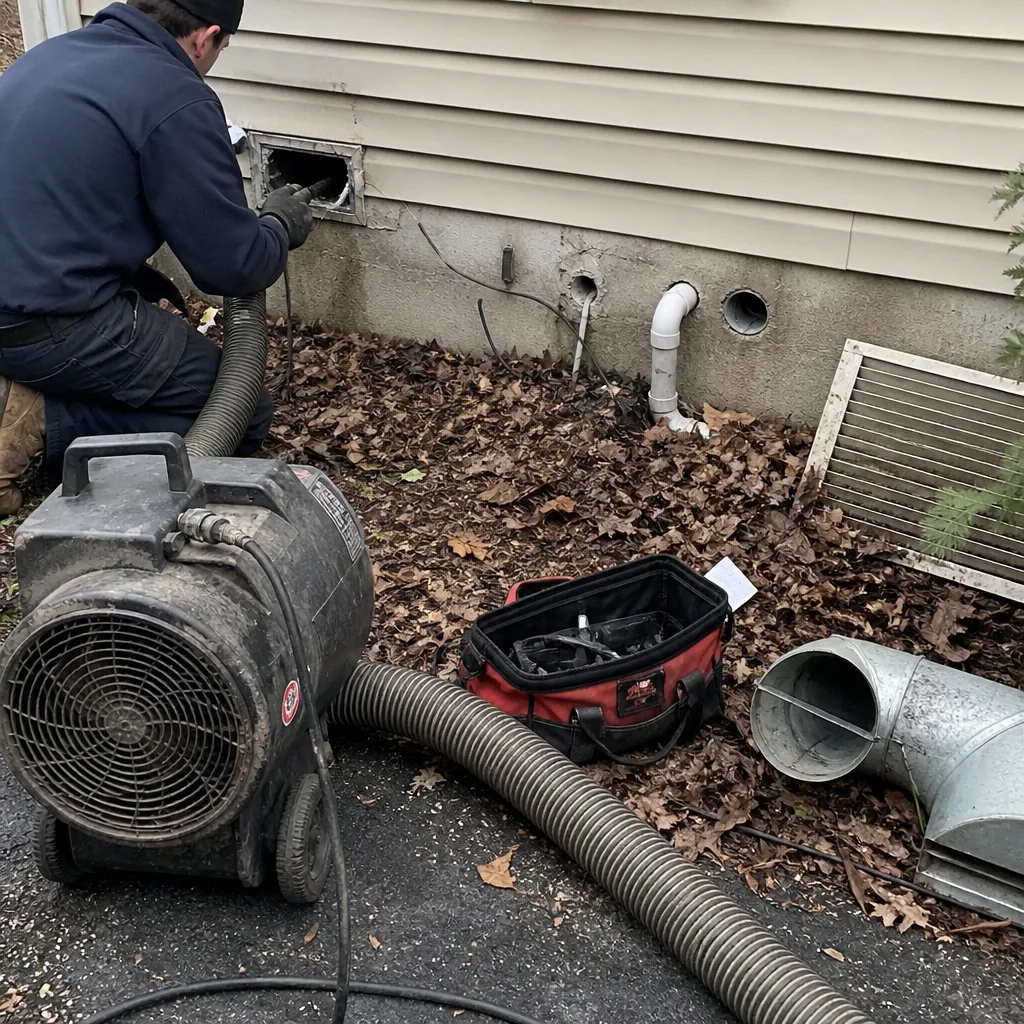 Before
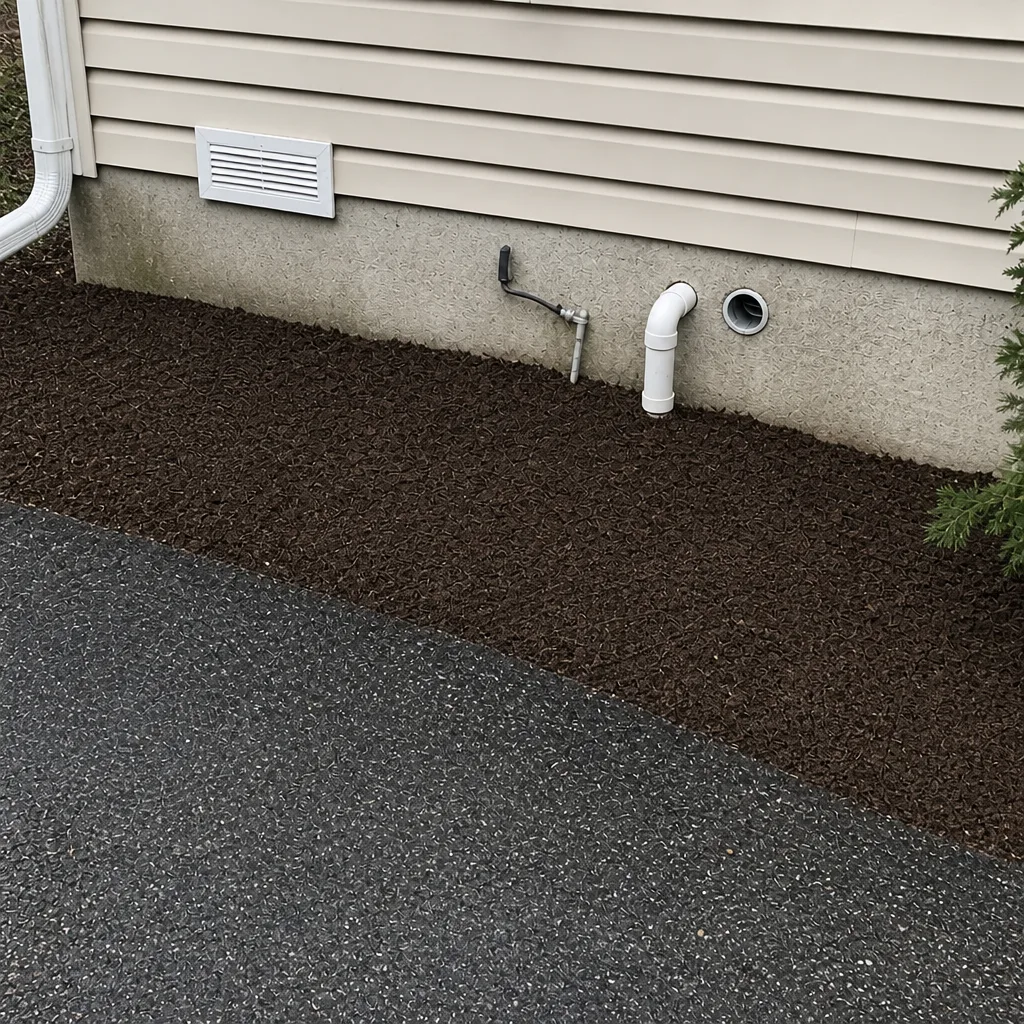 After
When to Call a Professional
Call for professional air duct cleaning when your household profile lands in the 2-to-3-year tier or shorter, when you’ve recently remodeled, when you see debris accumulation at the return grilles, or when the register openings show visible streaks. Call for a dryer vent inspection if your vent run is concealed, long, or behind the appliance. Call for duct repair if you notice whistling, temperature imbalances, or visible dust trails along flex runs in the attic or basement. And call for a filter-compatibility check before upgrading to a higher-MERV filter, especially on older systems with tight return plenums.
Duct Cleaning Carmel offers free estimates in Carmel, and we work with Rotobrush, Nikro, and Abatement Technologies equipment to contain the debris we remove. Our technicians have up to 12 years of experience, and we handle Air Duct Repair alongside cleaning so problems found during service get fixed in the same visit. Call (844) 834-5334 for a free estimate. We answer 24/7. Fast dispatch from 7am to 7pm, Sunday through Friday, closed Saturday.
Frequently Asked Questions
Most Carmel homes need a professional air duct cleaning every 3 to 5 years, but the right interval depends on household profile. Homes with multiple pets, recent renovations, indoor smoking, or allergy-sensitive occupants typically need it every 2 to 3 years. Pet-free homes with high-grade filters and no recent construction can stretch to 6 or 7 years. Call (844) 834-5334 for an exact quote based on your home.
Yes. Duct Cleaning Carmel offers Air Duct Repair alongside cleaning, so a loose joint, sagging flex run, or damaged section found during cleaning can usually be addressed in the same visit. Combining both reduces total time and lets you avoid a second contractor call. Call (844) 834-5334 to schedule.
Air duct cleaning in Carmel is priced per system, not per vent, and the written estimate sets the final price before work starts. Whole-system cleanings typically range based on the number of systems, duct length, and whether repair or dryer vent service is added. That’s the reason the teaser-coupon quote you see online becomes a much larger invoice on the day. Call (844) 834-5334 for a free estimate.
Low teaser prices usually exclude the parts of the job that take real time: full-system containment, before-and-after documentation, and any repair discovered during the process. A quote that doesn’t cover HEPA-level capture with professional equipment typically ends up as a “blow-and-go” visit that spreads debris rather than removing it. Ask what the full system price covers and whether before-and-after photos are provided. Call (844) 834-5334 to compare against a proper written estimate.
Ask for before-and-after photographs of your own ducts, taken during the service, and a written summary of what was cleaned. We provide both, and we use Rotobrush and Nikro equipment with Abatement Technologies HEPA capture so debris leaves the system rather than recirculating. Your maintenance log should store these photos alongside the service date. Call (844) 834-5334 for a free estimate.
No, but the two should be planned together. The dryer vent needs a lint-trap check before each load, an annual inspection (every 6 months for heavy use or long runs), and a full cleaning every 2 to 3 years. Scheduling it alongside duct cleaning keeps your maintenance record simple and addresses the fire-safety side of the same air-handling picture. Call (844) 834-5334 for an exact quote.
After. Clean the ducts first, then upgrade the filter. If you upgrade before cleaning, the new filter takes the full load of existing duct debris and needs to be replaced almost immediately. The cleaning also gives the next technician a chance to check filter size and system compatibility, which matters before jumping to MERV-11 or higher. Call (844) 834-5334 for a free estimate.
A cleaning visit removes debris; a repair visit corrects physical failures in the duct assembly itself, like loose joints, sagging sections, or damaged flex. Both are often found in the same visit because a proper cleaning process disturbs the whole system and reveals problems. Combining the two is why our scope includes Air Duct Repair rather than cleaning alone. Call (844) 834-5334 for a free estimate.
The Bottom Line
Replace the universal “3 to 5 years” rule with a schedule built on your household profile. Pets, allergies, indoor smoking, recent renovations, and filter grade each shift your interval, and Carmel’s humid summers plus the freeze-thaw cycle keep debris accumulating faster than in dryer climates. Pair every duct cleaning with a dryer vent service, check your filter every month, inspect your return grilles every 3 months, and log what happens in each visit. The result is cleaner air, fewer emergency repairs, and a maintenance record that gives any future technician or inspector a complete picture. Call Duct Cleaning Carmel at (844) 834-5334 for a free estimate. We answer 24/7. Fast dispatch from 7am to 7pm, Sunday through Friday, closed Saturday.
Written by the team at Duct Cleaning Carmel.